Artificial Intelligence: Where We Are and Where We're Headed
Artificial intelligence has moved from research labs and science fiction into the daily fabric of work and life. It writes code, drafts emails, diagnoses illnes
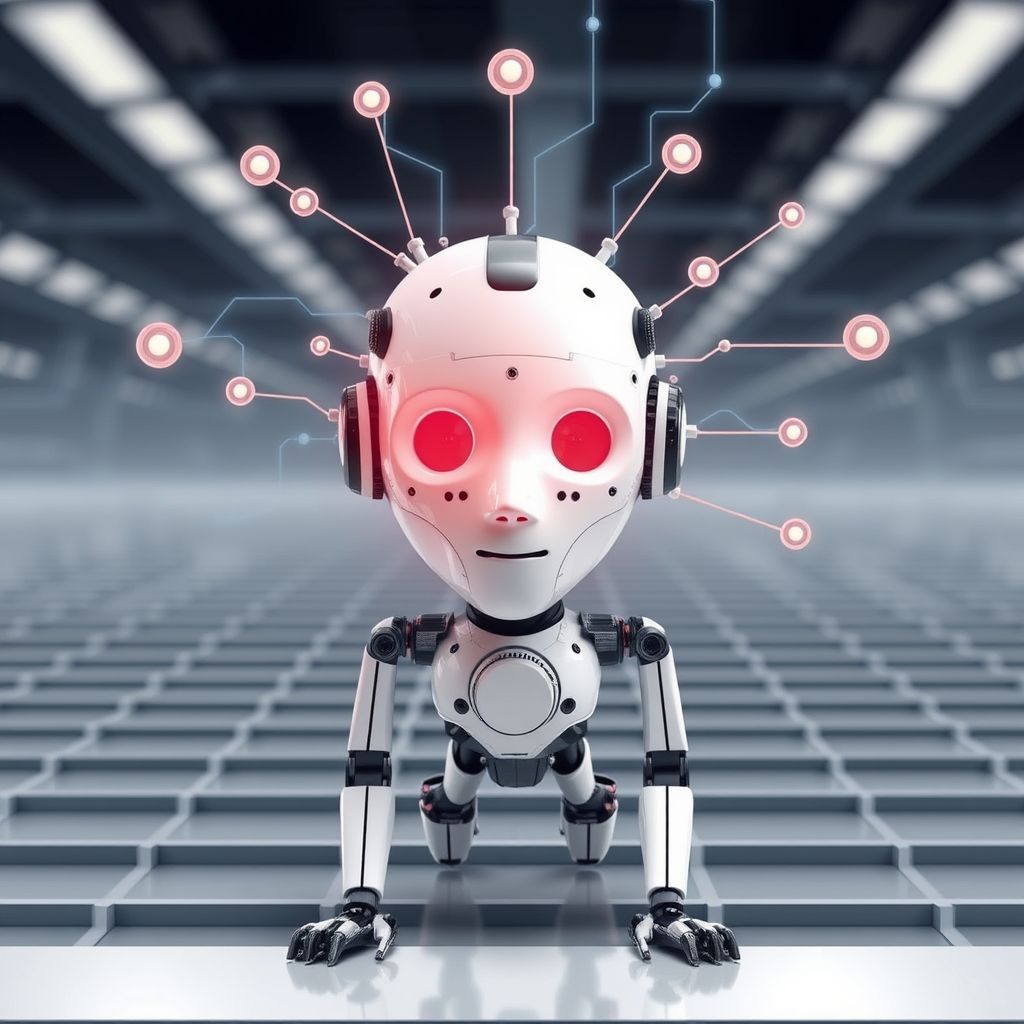
Artificial intelligence has transitioned from being confined to research labs and science fiction to becoming an integral part of daily work and life. It now writes code, drafts emails, diagnoses illnesses, drives vehicles, and even operates on our behalf instead of merely answering questions. It is crucial to comprehend what artificial intelligence truly entails — and what it does not — more than ever before.
What AI Actually Is At its core, artificial intelligence pertains to computer systems that execute tasks typical of human intelligence, such as recognizing patterns, making predictions, understanding language, and making decisions. The predominant systems today are powered by machine learning, wherein models discern patterns from vast datasets instead of adhering to rules explicitly coded by humans.
The present wave is primarily driven by large language models (LLMs), which are trained on expansive collections of text (and increasingly images, audio, and video) to generate human-like responses, reason through problems, and accomplish intricate tasks. These models underpin chatbots, coding assistants, image generators, and a burgeoning assortment of specialized tools.
From Answering to Acting For many years, AI's primary interaction was based on question-and-answer dynamics: you posed a query, and it provided a response. This is evolving. A significant shift underway is the emergence of agentic AI — systems that do not merely answer questions but autonomously perform multi-step actions using tools, browsing the internet, writing and executing code, and completing tasks that were previously exclusively human responsibilities.
This transition comes with a trade-off. The greater autonomy an AI system possesses — accessing your files, managing your calendar, executing code — the more significant the consequences of its errors become. Consequently, a substantial focus in AI engineering lies in enhancing reliability: ensuring systems remain focused over extended periods, recover smoothly from errors, and behave predictably.
AI Is Getting More Specialized Concurrently, a second trend is the proliferation of purpose-built AI customized for specific industries. Instead of relying on generic tools, sectors like healthcare, finance, and manufacturing are adopting models tailored to their unique requirements, such as diagnostic support in medicine, fraud detection in banking, and predictive maintenance in factories.
These specialized systems often surpass generic tools within their narrow domain, trading breadth for depth and accuracy. The Infrastructure Behind the Curtain None of this is achievable without a significant infrastructure expansion. Data centers, specialized chips, and power have become as integral to the AI discourse as the software itself.
Enterprises are transitioning from disorganized, underutilized servers to tightly coordinated, globally distributed computing systems — sometimes referred to as AI superfactories — designed to optimize resource utilization and push more computation closer to where data is actually generated, thereby reducing costs and latency. Compute has also become a geopolitical issue.
Access to advanced chips and extensive data centers is increasingly perceived as a matter of national strategy rather than mere corporate procurement, as countries vie for their strategic position in the AI supply chain. Governance Is Catching Up Policy is struggling to keep pace with deployment. Governments are moving from general statements of principle to implementing concrete regulations addressing issues like child safety, intellectual property, and data sovereignty.
For businesses, this means AI governance is evolving from a compliance necessity to a genuine strategic advantage — organizations with well-defined and effectively implemented AI principles are increasingly viewed as better positioned to capitalize on AI's benefits while mitigating reputational and legal risks associated with missteps.
Realism Is Setting In After several years of unbridled enthusiasm, 2026 has ushered in a more measured outlook. There is active debate about whether AI investment has outpaced realistic near-term returns — sometimes framed as discussions about an AI bubble. Pressure is mounting on organizations to demonstrate that their AI initiatives yield tangible results rather than isolated pilot projects.
This is not a sign of AI failing; rather, it reflects the technology maturing from experimentation to an expectation of real, accountable value. What This Means for Individuals For most individuals, AI's expanding presence manifests as incremental changes rather than a single dramatic upheaval: a coding assistant catching bugs before you do, a writing tool assisting you when you're stuck, an agent booking your travel while you focus on the trip itself.
AI is becoming less a tool you visit — an open chat window — and more a feature woven into the tools you already utilize. This shift offers significant opportunities but also raises pertinent questions: what skills will matter most when AI can draft, analyze, and code alongside you; how to validate AI-generated work rather than blindly trusting it; and to what extent one should delegate autonomy, and in what circumstances.
The Bottom Line AI in 2026 is less about novelty and more about integration. The technology is being tested in the same manner any major tool eventually is — not based on the impressiveness of its demonstrations but on the tangible, sustained value it delivers once the hype subsides. Whether this value materializes at the scale investors currently anticipate remains uncertain, but the trajectory — AI functioning as a collaborator rather than a curiosity — is clearly underway.
Written by urgent.news from HackerNoon's reporting — not their text. Machine-written — may contain errors; check the original before relying on it.