Anthropic watermarking Claude AI content | Explained
While many regulators want AI content to be more clearly labelled, Claude users are worried about the risks of their written work being flagged as AI
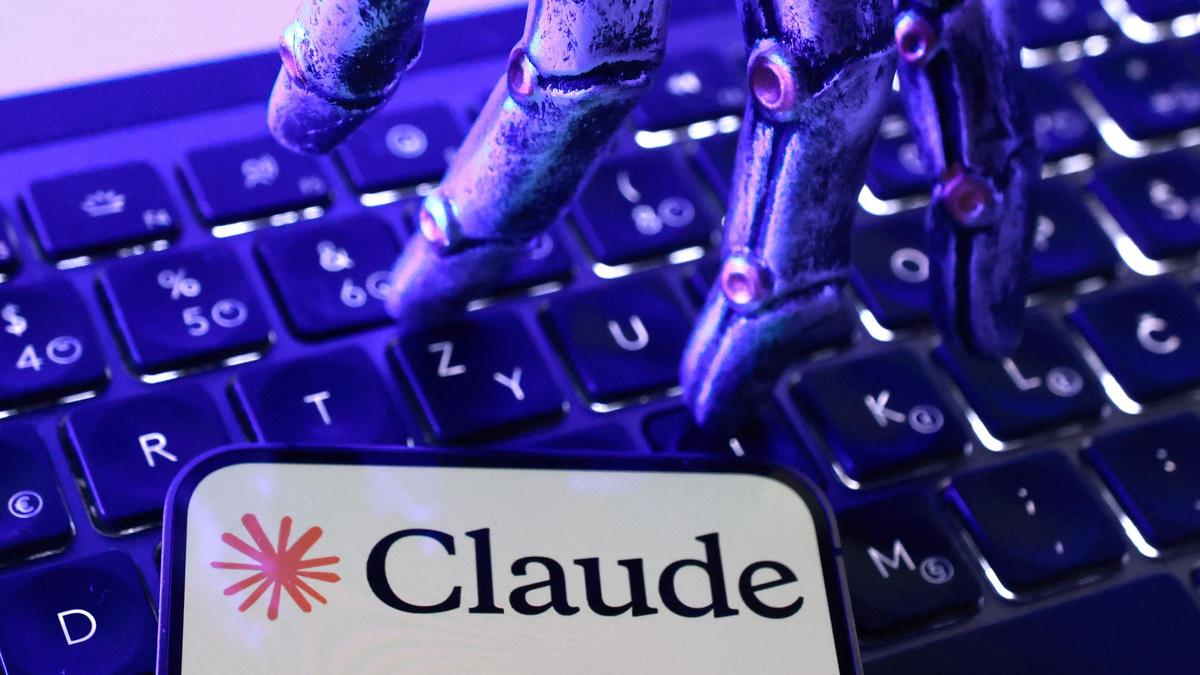
Anthropic, the Google and Amazon-backed developer of the Claude AI language model, has announced a new policy to watermarks text content generated by Claude. The move is part of Anthropic's efforts to comply with the European Union's AI Act, specifically Article 50(2) Code of Practice on Transparency of AI-Generated Content. This update will be globally implemented, meaning millions of Claude customers will need to reconsider their use of the AI tool.
The watermark will be embedded in Claude's text output and will travel with the text when copied and pasted elsewhere, potentially persisting through editing. However, the watermark is not visible to users and will not affect the response generated by Claude. Anthropic confirmed that the watermark will not alter the content's meaning or readability.
The primary purpose of this watermark is to enable easier identification of Claude-generated content, allowing for better labelling and tracking of AI-created text. Some praise the initiative for promoting greater transparency in AI-generated content, while critics express concerns that it could lead to reputational risks. For instance, if a human-made file undergoes editing or processing by Claude, the watermark may still be present, potentially suggesting AI involvement.
Detectors for Claude AI markings are still in development, and Anthropic has warned about potential false positives and false negatives. Factors such as short text lengths, content modifications after processing, metadata loss during file format changes, and the use of Claude services without AI marking support could impact detection accuracy. Some dubious websites have already emerged, offering services to remove or clean up Claude AI watermarks.
As AI-generated content becomes increasingly prevalent on the internet, the introduction of watermarks may simplify the task of regulators, fact-checkers, and journalists in verifying content origins. However, accurately detecting AI text remains a challenge, and AI-generated content often circulates widely without moderation. The effectiveness of Claude's watermarking initiative will depend on its ability to reduce misinformation and prevent AI-generated content from being passed off as human-made.
For now, Claude users are reevaluating their workflows and questioning the line between human and AI-generated content.
Written by urgent.news from The Hindu - Sci-Tech's reporting — not their text. Machine-written — may contain errors; check the original before relying on it.
This story
This is one outlet's version. Read the fullest account.
- European regulators seek Claude usage data from Anthropic, upsetting some users timesofindia.indiatimes.com
- Exporting ANTHROPIC_BASE_URL does not reach the Claude Code panel in VSCode dev.to
- Anthropic details Claude's text watermark: it only shows Claude was likely involved, is sparse in code and factual text, and disappears after a full rewrite (Anthropic) anthropic.com
- Techies have concerns about Claude's hidden watermark. Anthropic has some answers. businessinsider.com
- Anthropic shares more details about how Claude’s new watermarks will work techcrunch.com