AGI raises alarm over 40% electricity tariff hikes facing businesses
The Association of Ghana Industries (AGI) has raised concerns over rising electricity costs facing businesses, warning that some companies have been hit with electricity tariff adjustments of more than 40%. Speaking at the AGI 2nd Quarter Business Barometer presentation and Corporate Forum on Thursday, August 13, 2026, AGI President Kofi Nsiah-Poku said the development was […]
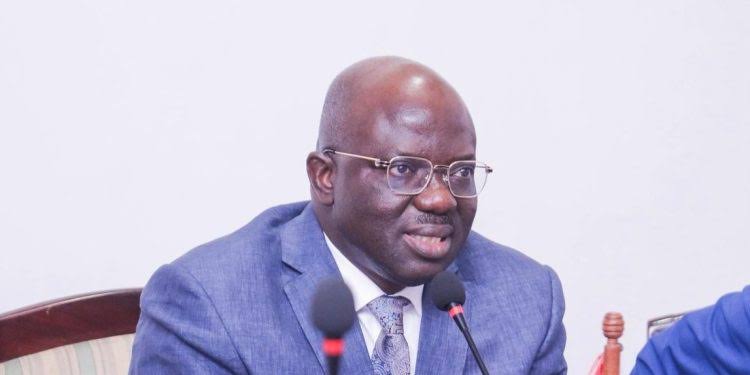
The Association of Ghana Industries (AGI) has expressed concern over electricity tariff hikes affecting businesses, with some companies experiencing increases of over 40%. At the AGI's 2nd Quarter Business Barometer presentation on Thursday, August 13, 2026, AGI President Kofi Nsiah-Poku warned that the development was exacerbating cost pressures on businesses, even though Ghana's macroeconomic conditions have shown improvement.
The Electricity Company of Ghana (ECG) had withdrawn a previously agreed upon tariff arrangement that provided discounted rates to certain bulk customers, which has led to these significant tariff adjustments taking effect right away. Kofi Nsiah-Poku emphasized that the rising costs of electricity and water pose a major setback for businesses, adding to the rising operational expenses they have already faced this year.
Despite the stable exchange rate and declining inflation in Ghana, the additional tariff adjustments have made it harder for businesses to forecast their input costs with confidence, which is crucial for budgeting, pricing, and planning for expansion. While acknowledging government's efforts to transition Ghana from a state of fiscal distress to fiscal consolidation, Nsiah-Poku stressed that the progress could be jeopardized if the necessary measures to maintain this stability are not consistently implemented.
The AGI President cautioned about the fragility of the gains made in the first half of the year, citing risks such as geopolitical tensions in the Middle East, Ghana's heavy reliance on gold, cocoa, and oil exports, and the increasing cost of utilities. He also appreciated government's decision not to request a supplementary budget, despite surpassing some of its targets, and praised the strengthening of Ghana's foreign exchange reserves to cover approximately five months of imports.
Kofi Nsiah-Poku urged that the ongoing focus should be on converting Ghana's improved macroeconomic stability into structural transformation, which would foster business growth and job creation. He called for a more competitive industrial sector, increased formal employment, and an economic growth trajectory that is less reliant on the prices of a limited number of commodities.
The AGI is prepared to collaborate with the Ministry of Finance, the Bank of Ghana, and the government to ensure that the benefits from the 2026 Mid-Year Budget Review are realized through an environment where businesses can invest, compete, and grow with confidence in Ghana.
Written by urgent.news from Joy Business's reporting — not their text. Machine-written — may contain errors; check the original before relying on it.