Afghan universities ban smartphones, students split over study disruption or improved focus
KABUL, Aug 13 — Forced to leave their smartphones off campus, Afghan university students are divided over whether...
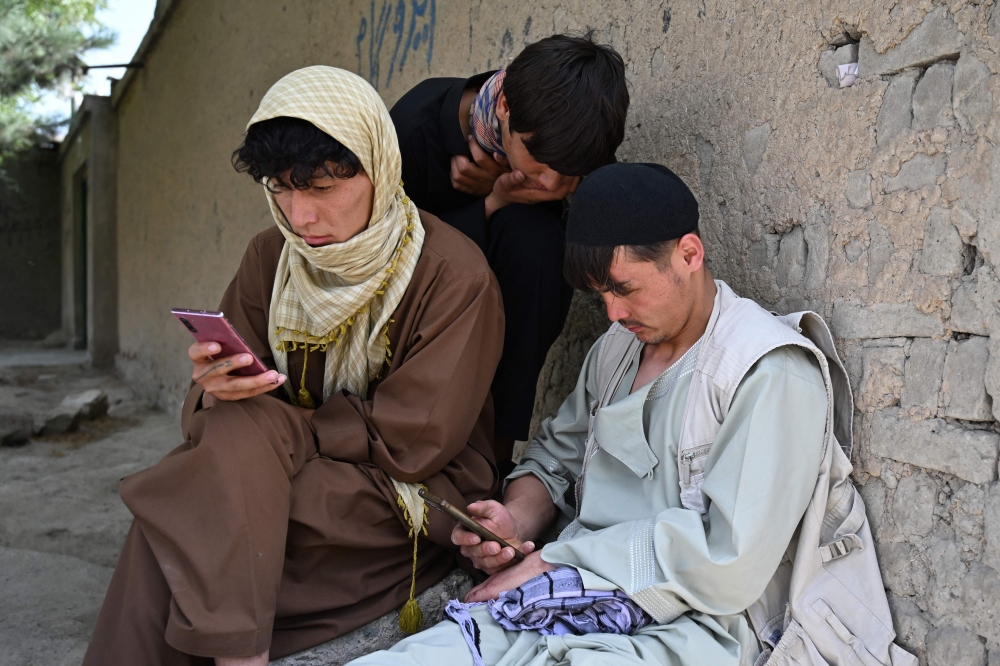
Kabul, August 13 — Afghan university students are split on whether a new ban on smartphones has improved their focus or disrupted their studies. After Supreme Leader Hibatullah Akhundzada ordered a ban on government use of smartphones in June, the rule was also implemented in academia. In Kabul, a 29-year-old student explained that a staff member had "visited the classrooms and announced that from now onwards, we are not allowed to bring smartphones to the university."
Notices posted on walls in the western city of Herat warned that anyone caught with a smartphone on campus could face "legal action." A Kandahar University spokesman said the ban aimed to ensure students "pay attention to their lectures, studies and practical work."
While 58% of countries ban mobile phones in schools, citing classroom distraction and wellbeing risks, UNESCO reported no mention of university bans in its March study. The Taliban authorities have applied strict Islamic law for nearly five years, limiting Afghan access to technology without explaining their motives. Last year, broadband access was restricted in several provinces, and the internet and phone networks nationwide were shut down for two days.
Despite these measures, smartphones remain prevalent, with billboards advertising internet deals in cities.
The ban has made it harder for students to access online research and course materials. One Herat student said he used his phone to help with about half the syllabus, taking photos and videos of slides and board notes. However, some students have bought basic phones to make calls while being critical of the extra expense. In Kandahar, a medical student noted that the ban had improved relations between teachers and students, allowing them to focus solely on lectures.
Despite mixed reactions, the 22-year-old journalism student reported improved grades, moving from 75 to 80 percent after the ban.
Written by urgent.news from Malay Mail's reporting — not their text. Machine-written — may contain errors; check the original before relying on it.