A stroke can cut the line between intention and movement. This device tries to close the loop
Nexactly AI Solutions has built an EEG-based rehabilitation platform out of IIT Roorkee's innovation hub, and is taking it to Shark Tank India.
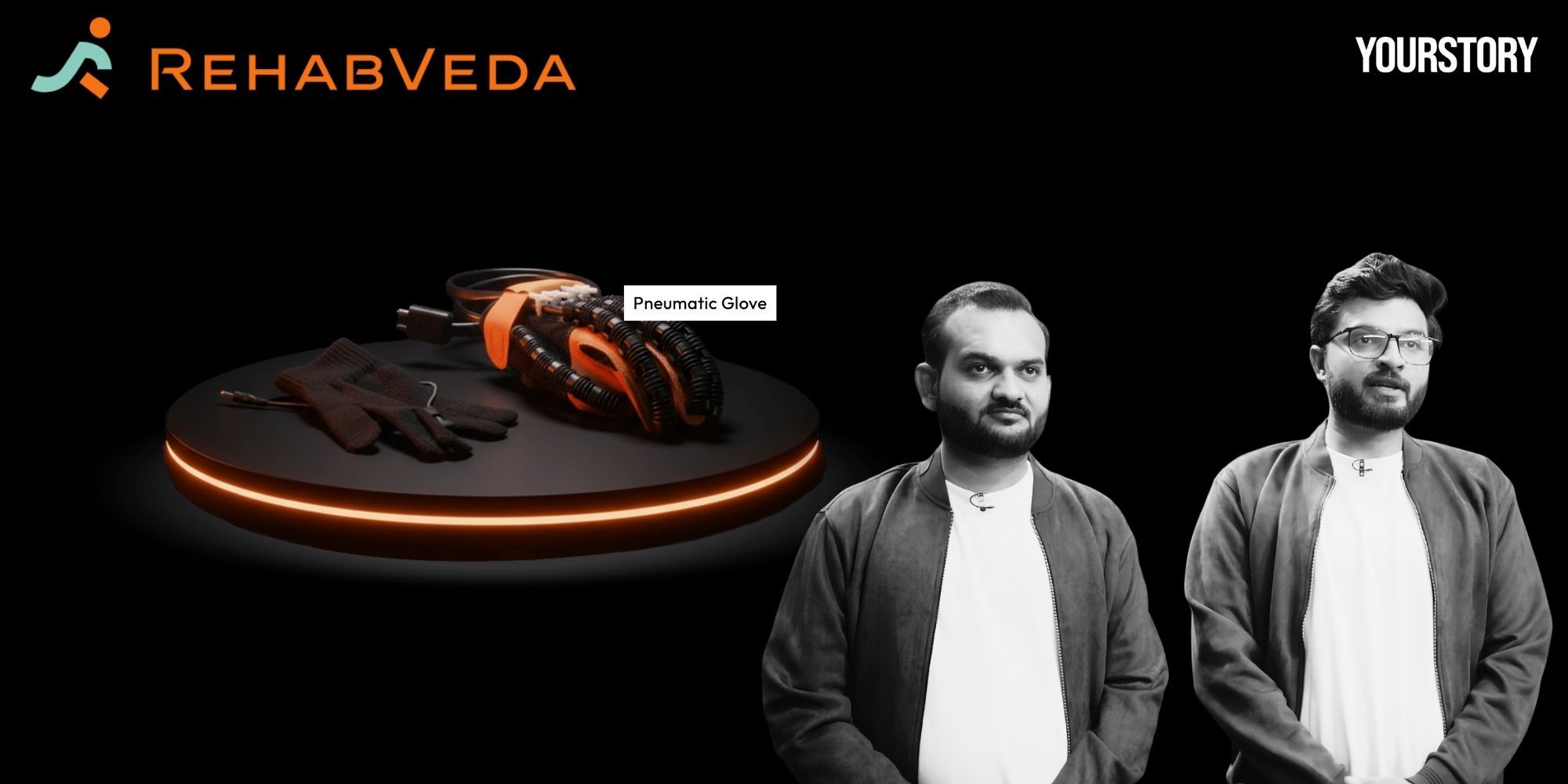
A stroke can disrupt the connection between a patient's intention to move a limb and the actual movement of that limb. The R1 System, developed by Nexactly AI Solutions and headquartered in Ahmedabad, aims to bridge this gap by employing a combination of EEG headband technology, AI-driven signal decoding, and a pneumatic glove. The system identifies the patient's intent to move, then triggers the glove to close the hand, effectively completing the movement sequence.
This closed-loop approach is referred to as closed-loop intent detection. The underlying principle is that repeated patient-intended hand movements, coupled with the system's responses, can strengthen brain pathways, potentially improving recovery. India sees over a million new stroke cases annually, with hand function being among the slowest to recover.
Rehabilitation, particularly in India where therapists are concentrated in urban areas, is often inaccessible and expensive for many stroke patients. Conventional therapy involves a therapist physically moving the limb, which is limited by resources. RehabVeda seeks to automate part of this process, making it available around the clock.
The company claims around five years of development at IIT Roorkee informed the R1 System. The company's closed-loop approach distinguishes it from conventional repetition therapy, which relies on therapists' timing. While international research on brain-computer interfaces shows promise, the company's EEG signals are challenging to interpret due to their faint nature and variability.
However, the R1 System has reported an 80% improvement rate in hand function during its trials, though this figure lacks the rigorous backing of a peer-reviewed publication or regulatory approval.
Written by urgent.news from YourStory's reporting — not their text. Machine-written — may contain errors; check the original before relying on it.