29 Years Ago Today, A Controversial Cartoon Made With Construction Paper Changed Television
In 1997, Comedy Central aired the first episode of a show that revolutionized animated television - and stirred up a couple of controversies along the way.
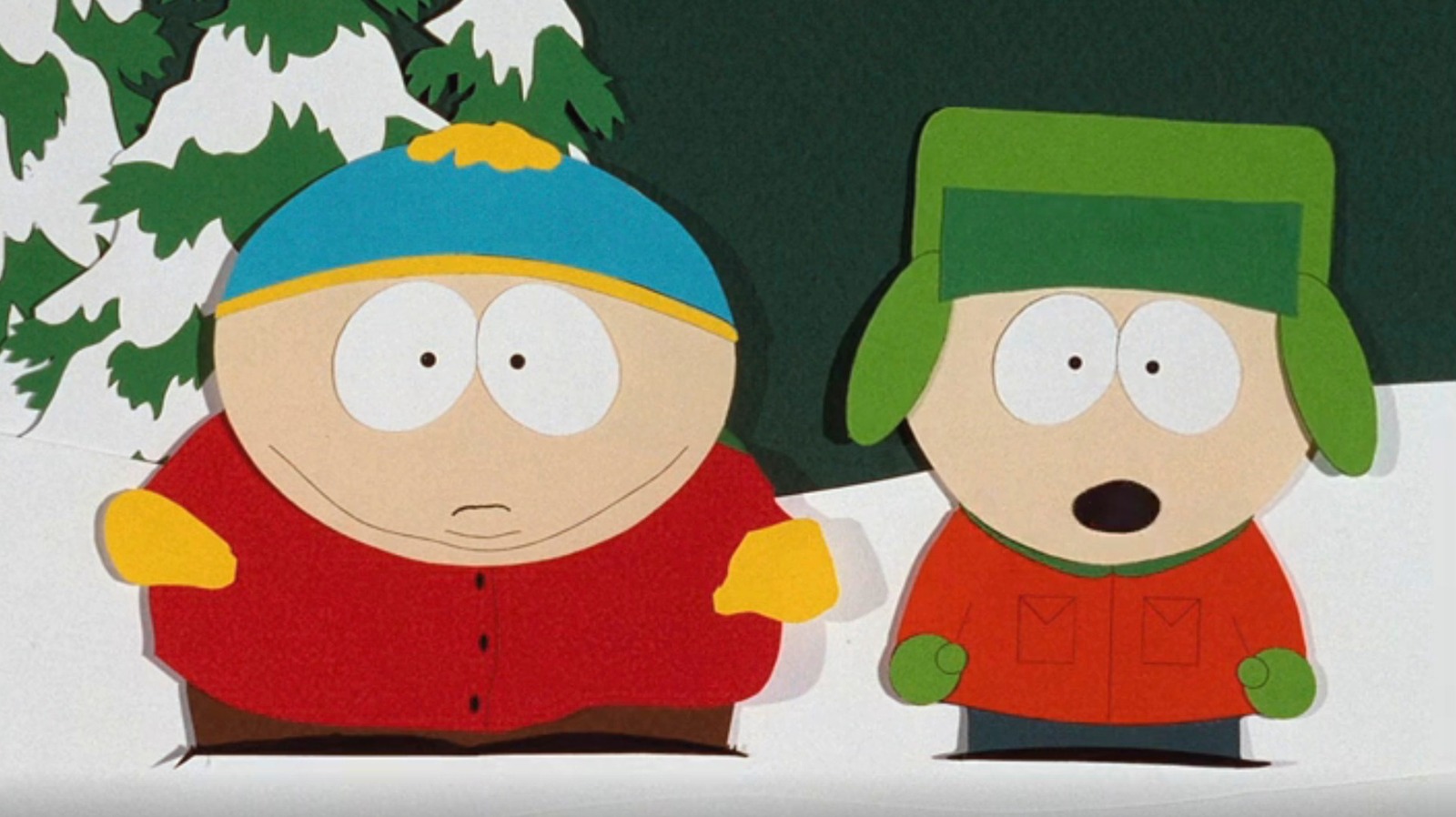
On August 13, 1997, the animated series South Park debuted on Comedy Central, forever altering the television landscape. Created by Trey Parker and Matt Stone, the show began as a short film made during their university days using cut-out construction paper for each new frame. The short was a hit, leading to an updated version commissioned by Fox three years later. However, due to conflicts over content, Parker and Stone moved to Comedy Central.
The series premiere, titled "Cartman Gets an A*** Probe," was unique as it was the first episode made using actual cut-out construction paper. While Fox executives found the show too provocative, millions of Comedy Central viewers were eager for such content. The series premiere achieved a 1.3 Nielsen rating, a significant leap from the average Comedy Central series rating of 0.6 at the time.
Comedy Central capitalized on the show's success, charging up to $30,000 for a commercial broadcast during South Park, a dramatic increase from the $7,500 spent on an ad six months prior. The show's impact was so profound that it reportedly increased the channel's reach by 20 million homes.
South Park's influence extended beyond television, resulting in a theatrical film, spin-off video games, and more. The show's popularity continued to soar, with Comedy Central reaching over 99 million homes at its peak in 2011. Today, nearly 29 years after its debut, South Park remains a strong presence in television, largely due to its success in the streaming era.
Season 27, for instance, garnered 6.2 million viewers, with the majority watching on Paramount+. Despite the decline of cable television, South Park continues to thrive, proving that even crude beginnings can lead to lasting success.
Written by urgent.news from TVLine's reporting — not their text. Machine-written — may contain errors; check the original before relying on it.