Urgent.News

What's breaking now, across thousands of outlets.

Business

President Trump has announced that he will impose tariffs of up to 100 percent on drones. The tariff increase, which could go into effect as early as next week, is being considered for unmanned aerial vehicles, or UAVs, that are imported from countries with which the US has significant trade deficits, according to a statement from the Office of the US Trade Representative on Wednesday. The USTR said it will consider a 25 percent, 50 percent or 100 percent tariff on certain UAVs imported from countries including China. The tariff would apply to “products that are not produced in the United States in a manner that is sufficient to meet domestic demand.” The USTR did not specify which countries or companies would be affected by the tariff. The Korea Trade-Investment Promotion Agency said Thursday that Korean drones would be subject to a 15 percent tariff. The agency said that Korean exports of drones to the US would not be as severely affected as those from China, as the US currently imposes a 0 percent tariff on Korean drones. The US has a significant trade deficit with China in the drone sector. In 2018, the US imported $137.4 million worth of drones from China, while exporting only $8.9 million worth to China. The USTR said it will accept comments on the proposed tariff increase through Aug. 26. The tariff increase is being considered under Section 301 of the Trade Act of 1974, which gives the president the authority to impose tariffs on imports if the US Trade Representative determines that a country’s trade practices are unfair or unreasonable. The USTR has been conducting an investigation into China’s trade practices in the drone sector since last year. The Trump administration has been toughening its stance on Chinese imports, including imposing a 25 percent tariff on $250 billion worth of Chinese goods. The US-China trade war has been escalating, with China imposing its own tariffs on $110 billion worth of US goods. The drone sector is one of the areas where China has a significant advantage over the US. Chinese companies such as DJI, the world’s largest drone maker, dominate the global drone market. DJI is based in Shenzhen, China. The US has been trying to catch up with China in the drone sector. Last year, the US government awarded a $2.3 million grant to a US drone maker to encourage domestic production. The grant was given to a company called SkyPower. The US also has imposed restrictions on the use of Chinese drones by government agencies due to security concerns. In May, the Department of the Interior said it would stop using Chinese drones. The department cited concerns that Chinese drones could be used for espionage. The US has also been trying to rally its allies to ban the use of Chinese drones. Last month, the US ambassador to the United Kingdom, Woody Johnson, urged the UK to ban the use of Chinese drones by British police. The UK has not made a decision on the matter. The drone sector is expected to grow rapidly in the coming years. According to a report by PwC, the global drone market is expected to reach $12.4 billion by 2025. The report said that the use of drones is expected to increase in various sectors, including agriculture, construction and logistics. The US and China are competing fiercely in the drone sector. The two countries are expected to continue to clash on trade issues, including the drone sector.

Translated from Korean Read in Korean

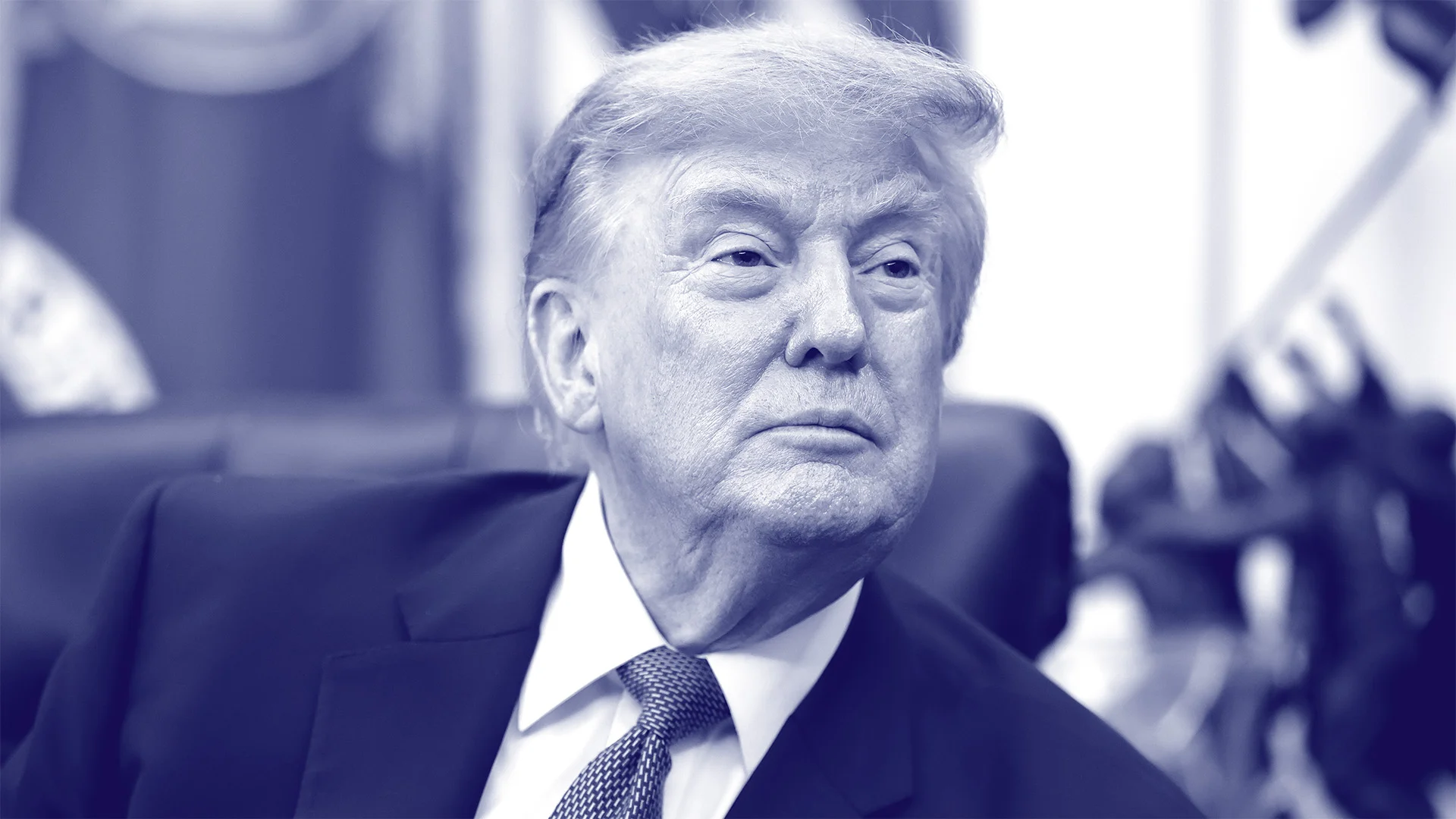
United States President Donald Trump has imposed a maximum 100% tariff on imported drones and their components, citing national security concerns. South Korean-made drones and components qualify for a 15% tariff if they meet certain requirements. According to a White House statement, Trump signed a proclamation on March 13, authorizing the tariff.

The proclamation states that the U.S. will impose a 100% tariff on drones and their docking stations, core components, and those with certain sensitive functions, including those weighing more than 25 lbs and equipped with high-definition recording capabilities. Smaller drones without sensitive functions and other drone components are subject to a 25% tariff.

However, drones and components imported from countries such as the European Union, Japan, Liechtenstein, Switzerland, and Taiwan are subject to a 15% tariff. UK imports of drones face a 10% tariff. For such levels to take effect, the product's hardware, software, and technology must be entirely domestic. The tariff on non-sensitive drone components takes effect 21 days after the proclamation, while the tariff on other products takes effect 180 days after.

Additionally, if the U.S. Department of Defense (DoD) approves an exemption from the FCC's so-called "covered list" within 20 days of the proclamation, those products and components will also be subject to the tariff starting 180 days after. The White House explained that this move aims to protect U.S. national security and defense and manufacturing bases, as drones rely on foreign-supplied unmanned aerial systems (UAS) and pose cyber vulnerabilities.

Written by urgent.news from Hankyoreh's reporting — not their text. Machine-written — may contain errors; check the original before relying on it.

Read the original at hani.co.kr →

More in Business

The Trump administration is considering a proposal that would allow the U.S. Navy to contract with foreign shipyards to build up to two naval vessels, including a combatant ship, at a foreign facility. The plan would be a reversal of the long-standing requirement that U.S. warships be built in the United States by American workers. The proposal, which was first reported by Bloomberg, is under consideration as part of the Navy’s 30-year shipbuilding plan. Details of the plan remain unclear, but it would allow for the construction of up to two naval vessels, including one combatant ship, at a foreign shipyard. The proposal has sparked criticism from U.S. lawmakers and shipbuilding industry groups, who argue that it would undermine the U.S. shipbuilding industry and create jobs overseas. U.S. Rep. Rob Bishop (R-NY), chairman of the House Armed Services Committee’s seapower subcommittee, said in a statement that allowing U.S. taxpayer dollars to fund shipbuilding overseas would be a “disaster” for the U.S. shipbuilding industry. “It would be a disaster for the security of our nation and for the workers who build these ships,” Bishop said. The Navy has long argued that it needs more flexibility in its shipbuilding plans to ensure that it can meet its operational requirements. The service has faced challenges in recent years in meeting its shipbuilding goals, due in part to a constrained industrial base and rising costs. The Navy’s 30-year shipbuilding plan, which is currently under review by the White House, calls for the construction of a total of 355 ships. The plan includes a number of new initiatives, such as the development of a new class of guided-missile frigates and the construction of a new amphibious assault ship. The Trump administration has made rebuilding the U.S. military a top priority, and the Navy’s shipbuilding plan is a key part of that effort. The proposal to allow foreign shipbuilding is being considered as part of a broader effort to reform the U.S. shipbuilding industry and make it more competitive. The Navy has said that it is committed to working with the U.S. shipbuilding industry to ensure that it can meet its operational requirements. The service has also said that it will continue to work with Congress to ensure that any changes to the shipbuilding plan are consistent with U.S. law and policy. The proposal is likely to spark a heated debate on Capitol Hill, with lawmakers from both parties expressing concerns about the potential impact on the U.S. shipbuilding industry. The issue is also likely to be a topic of discussion at a hearing on the Navy’s shipbuilding plan that is scheduled to take place later this month. The Navy’s plan has been delayed several times, and it is unclear when the White House will make a final decision on the proposal. The Trump administration has said that it is committed to rebuilding the U.S. military and making it more competitive, and the Navy’s shipbuilding plan is a key part of that effort. The proposal to allow foreign shipbuilding is being considered as part of a broader effort to reform the U.S. shipbuilding industry and make it more competitive. The Navy has said that it is committed to working with the U.S. shipbuilding industry to ensure that it can meet its operational requirements. The service has also said that it will continue to work with Congress to ensure that any changes to the shipbuilding plan are consistent with U.S. law and policy. U.S. Sen. Ted Cruz (R-TX) said in a statement that he is opposed to the proposal, saying that it would undermine the U.S. shipbuilding industry and create jobs overseas. “I strongly oppose any effort to send American taxpayer dollars overseas to subsidize foreign shipbuilding,” Cruz said. The U.S. shipbuilding industry has long been a major employer in the United States, with thousands of workers employed at shipyards across the country. The industry has also been a key contributor to the U.S. economy, with billions of dollars in economic output generated each year. The proposal to allow foreign shipbuilding is being considered as part of a broader effort to reform the U.S. shipbuilding industry and make it more competitive. The Navy has said that it is committed to working with the U.S. shipbuilding industry to ensure that it can meet its operational requirements. The service has also said that it will continue to work with Congress to ensure that any changes to the shipbuilding plan are consistent with U.S. law and policy. The Trump administration has said that it is committed to rebuilding the U.S. military and making it more competitive, and the Navy’s shipbuilding plan is a key part of that effort. The Navy’s plan has been delayed several times, and it is unclear when the White House will make a final decision on the proposal. The proposal is likely to spark a heated debate on Capitol Hill, with lawmakers from both parties expressing concerns about the potential impact on the U.S. shipbuilding industry. The issue is also likely to be a topic of discussion at a hearing on the Navy’s shipbuilding plan that is scheduled to take place later this month. U.S. Rep. Elaine Luria (D-VA), a member of the House Armed Services Committee, said in a statement that she is opposed to the proposal, saying that it would undermine the U.S. shipbuilding industry and create jobs overseas. “The Navy should be building ships in America, not overseas,” Luria said. The U.S. shipbuilding industry has long been a major employer in the United States, with thousands of workers employed at shipyards across the country. The industry has also been a key contributor to the U.S. economy, with billions of dollars in economic output generated each year. The Navy has long argued that it needs more flexibility in its shipbuilding plans to ensure that it can meet its operational requirements. The service has faced challenges in recent years in meeting its shipbuilding goals, due in part to a constrained industrial base and rising costs. The Navy’s 30-year shipbuilding plan, which is currently under review by the White House, calls for the construction of a total of 355 ships. The plan includes a number of new initiatives, such as the development of a new class of guided-missile frigates and the construction of a new amphibious assault ship. The Trump administration has made rebuilding the U.S. military a top priority, and the Navy’s shipbuilding plan is a key part of that effort. The proposal to allow foreign shipbuilding is being considered as part of a broader effort to reform the U.S. shipbuilding industry and make it more competitive. The Navy has said that it is committed to working with the U.S

More from Thursday 13 August →