Why Ghana’s comedy must be taken seriously
If Ghana ever exports laughter, it might rival cocoa. We are a nation that laughs at everything from dumsor to politics, and that natural gift has quietly built a thriving comedy industry.
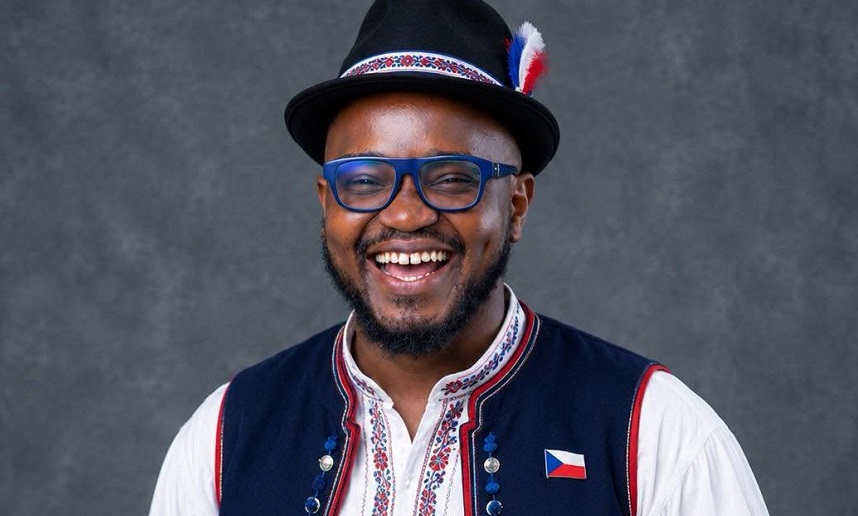
Ghana’s comedy industry, quietly thriving, may one day rival the country’s famed cocoa exports. Rooted in the country’s history, this thriving sector has evolved from traditional storytelling to a multi-million-dollar business. Comedians now fill auditoriums, generate millions of views on digital platforms, and earn a living by making people laugh. Yet, despite its growing influence, comedy remains undervalued and often dismissed as mere jokes.
Tracing its origins back to the 1950s, the Ghanaian comedy scene emerged alongside the rise of theatre as an important tool for cultural expression, education, and entertainment. Anansesem, a storytelling tradition featuring wit, satire, and clever characters, laid the groundwork for modern comedy. Renowned playwright and cultural icon Efua Sutherland played a crucial role in shaping this movement by promoting indigenous theatre that resonated with Ghanaian culture and language.
Humour became essential for audiences to accept difficult truths more readily when presented with laughter.
The famous Concert Party tradition further expanded the reach of comedy, with travelling performance groups entertaining towns and villages. These groups blended music, dance, and hilarious sketches, reflecting everyday life in Ghana and providing a platform for social commentary. As television became prevalent in the 1980s, it brought comedy into homes across the nation.
Programs like Akan Drama and Showcase became weekly highlights, featuring stories that resonated with everyday life and provided a wealth of humor. These shows also served as talent factories, uncovering rising stars who would later shape Ghana’s entertainment landscape.
Stand-up comedy, once a niche form of entertainment, emerged as a distinct discipline through pioneers like Fritz Baffour and Kwaku Sintim-Misa, known as KSM. Fritz Baffour demonstrated that a single person armed with a microphone and keen observation could keep an audience laughing, while KSM transformed it into a commercial venture by producing professional live shows that attracted paying audiences and national attention.
Agya Koo, a comic genius with impeccable timing and unforgettable expressions, also played a significant role in reviving Ghana’s film industry by turning everyday situations into comedic masterpieces.
In recent years, Ghanaian comedy has flourished into one of the country’s fastest-growing creative sectors. Talented comedians such as DKB, Foster Romanus, Lekzy DeComic, Jacinta Ocansey, Khemikal, Clemento Suarez, OB Amponsah, and MJ the Comedian have elevated stand-up comedy to polished entertainment, selling out theatres and attracting international audiences.
Associations and comedy clubs have strengthened collaboration and provided regular spaces for performers to refine their craft and mentor emerging talent. The industry is becoming more organized, professional, and ambitious. The advent of social media has propelled comedy even further, allowing creators to build substantial followings on platforms like YouTube, Facebook, TikTok, and Instagram.
These digital spaces have turned comedy into a lucrative business, with monetization opportunities and brand partnerships providing a steady income for many Ghanaians.
Written by urgent.news from MyJoyOnline Ghana's reporting — not their text. Machine-written — may contain errors; check the original before relying on it.