What’s it like organising the Venice Biennale? Former curators dish the dirt
Robert Storr speaks about his tenure in this exclusive extract from Massimiliano Gioni’s new book of interviews with biennale artistic directors
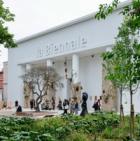
Former New Museum director Massimiliano Gioni has penned a behind-the-scenes book detailing his experiences curating the prestigious Venice Biennale, drawing on interviews with 16 curators who have worked on the event over its 33-year history. Gioni, who served as artistic director in 2013, aims to shed light on the unique challenges and rewards of organizing such a monumental event.
Throughout his tenure, Gioni recalls several standout moments from his biennale, including Sigmar Polke's room in the Central Pavilion, Yang Fudong's impressive film installation "Seven Intellectuals in Bamboo Forest," and El Anatsui's debut on the international stage. He also highlights Bruce Nauman's provocative sculptures and Jenny Holzer's emotionally charged yet conceptually driven works as key elements of his thematic approach.
Gioni's biennale sought to transcend the traditional mind/body divide in art, promoting a more holistic understanding of creativity by showcasing diverse media and artistic expressions. He also aimed to foster international dialogue by engaging the international pavilions and establishing new partnerships, such as bringing the African Pavilion to Venice despite initial bureaucratic resistance.
When approached with the opportunity to direct the 52nd Venice Biennale in 2007, Gioni was initially hesitant but ultimately decided to accept. He credits influential figures like Willem de Kooning's lover, Emilie Kilgore, for initially suggesting his name for the position. Gioni's appointment, while unexpected, enabled him to implement his vision for a more inclusive and ambitious biennale that emphasized art's capacity to touch multiple aspects of human experience.
Written by urgent.news from The Art Newspaper's reporting — not their text. Machine-written — may contain errors; check the original before relying on it.