What to Watch in Zambia’s Elections
The country’s natural resources have put the vote under intense international scrutiny.
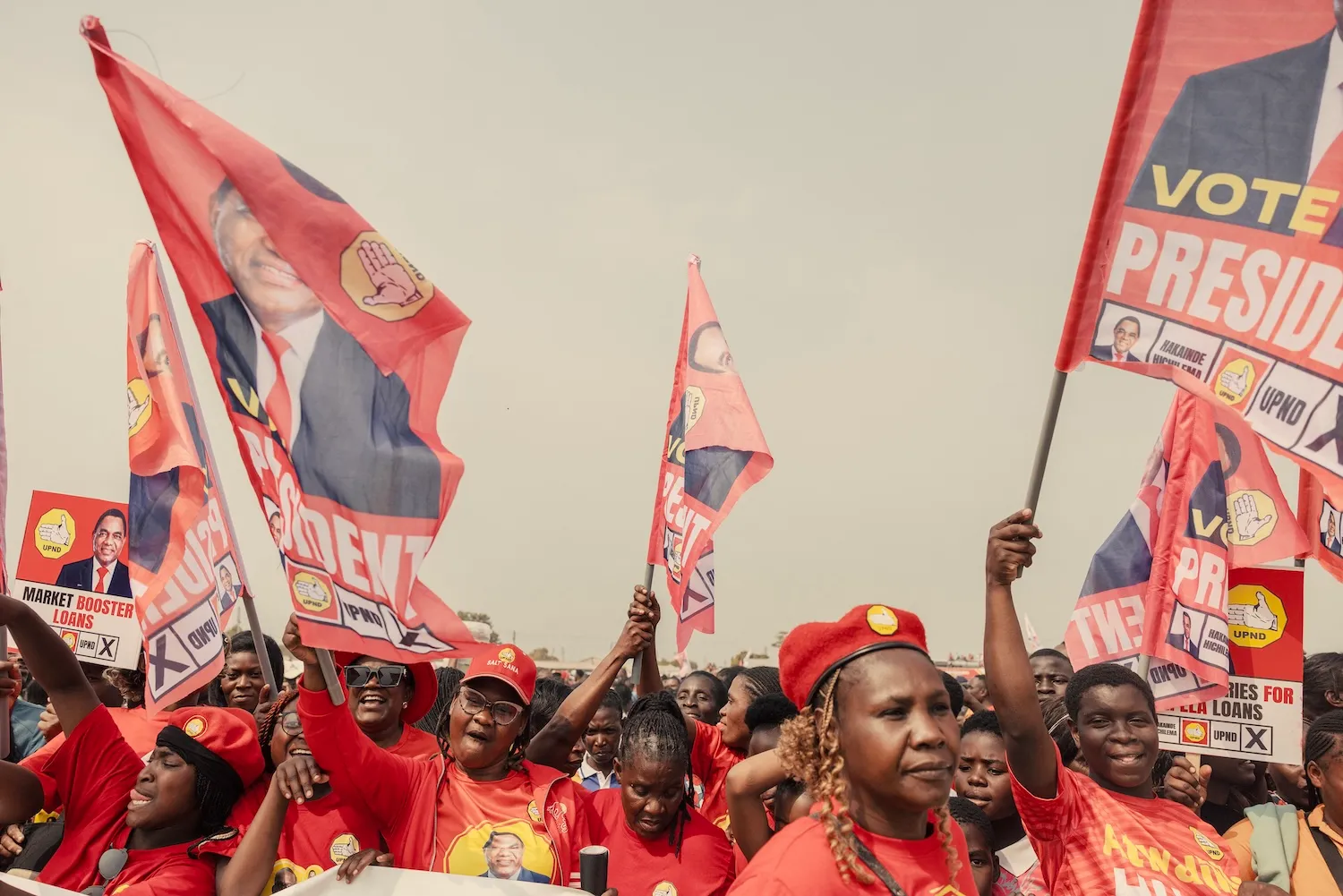
As Zambia prepares for its Aug. 13 elections, President Hakainde Hichilema's economic policies are the central focus. Hichilema, who took office in 2021, inherited an economy that had defaulted on its sovereign debt during the COVID-19 pandemic. He worked to improve the situation by forging ties with the International Monetary Fund, ending fuel and energy subsidies, and expanding free primary and secondary education.
Hichilema's government has also made strides in increasing Zambia's copper production, which is the country's primary export and a key contributor to its economy. Under his leadership, the nation successfully restructured $6.3 billion of its debt through the G20 Common Framework. Since then, annual inflation has decreased to 6.5 percent, its lowest rate in eight years, although the mining sector has yet to create well-paying jobs.
Poverty, job creation, and energy shortages are the primary concerns of Zambian voters. Despite Hichilema's efforts to diversify the country's electricity generation sources, the nation still relies heavily on hydroelectric power. The ongoing drought, linked to the El Niño weather pattern, has caused nationwide electricity rationing and strained the government's ability to power crucial projects, such as the Lobito Corridor railway and energy-intensive mining operations.
Hichilema's main challenger, Brian Mundubile, has criticized the government's economic policies, accusing it of amassing a $6.5 billion foreign reserve while the population struggles to afford basic necessities, such as food. Mundubile leads the National Reconciliation Party for Unity and Prosperity, a new alliance formed from the remnants of the Patriotic Front.
While international media coverage has largely centered on the U.S.-China competition for economic influence in Zambia, the local population's frustrations revolve around issues like rising food prices and frequent power outages. Analysts currently expect Hichilema's United Party for National Development to narrowly win the election due to the opposition's lack of a compelling alternative economic plan and its organizational shortcomings.
Written by urgent.news from Foreign Policy's reporting — not their text. Machine-written — may contain errors; check the original before relying on it.