What to Know About the E.U.’s New Biometric Entry System That’s Caused Chaos at Airports
The E.U.’s new electronic entry system has been in full effect for only a few months, but some airports and airlines are already calling for it to be overhauled.
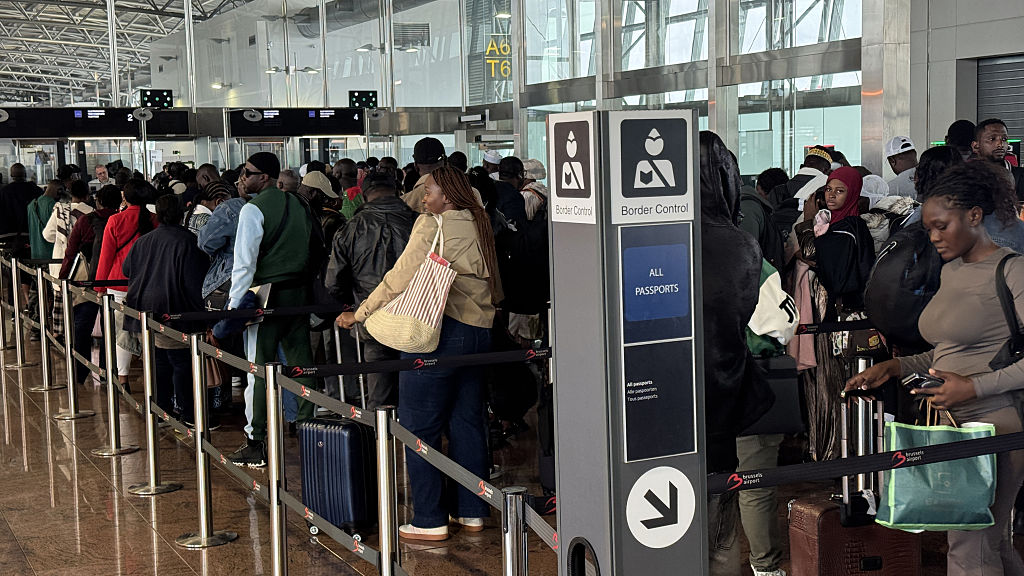
The European Union's (E.U.) new mandatory digital entry system, called the Entry-Exit System (EES), went into full effect on April 10, 2026. The system aims to replace manual passport stamping with biometric checks at airports across 29 European countries, including France, Spain, and Greece. While initially intended to streamline immigration processes for non-E.U. travelers, the system has faced significant challenges, leading to long queues and delays at airports.
Passengers must now undergo fingerprint scans, facial image capture, and the collection of passport data upon their first visit to the Schengen Area since the EES rollout. Some airports have even reverted to manual passport checks during peak processing times. Despite the E.U.'s promise that the system should reduce wait times and improve data tracking, travelers have experienced persistent delays of up to five hours, sometimes causing missed flights.
The EES is designed to automatically calculate stay duration and flag travelers who exceed their authorized 90-day limit, potentially leading to penalties. The system collects traveler data for three years, and overstayers' data is retained for five years. While the E.U. claims the EES will improve security and efficiency, critics argue that the system has been poorly implemented, causing widespread frustration among travelers.
Written by urgent.news from Time's reporting — not their text. Machine-written — may contain errors; check the original before relying on it.