What Happens When You Mail 30 Writers Free Lit Mags?
Here’s the thing about indie lit: it’s full of problems everyone complains about and almost nobody has the time, money, or spreadsheet stamina to solve. How can lit mags get more subscribers? How do they get submissions that actually fit
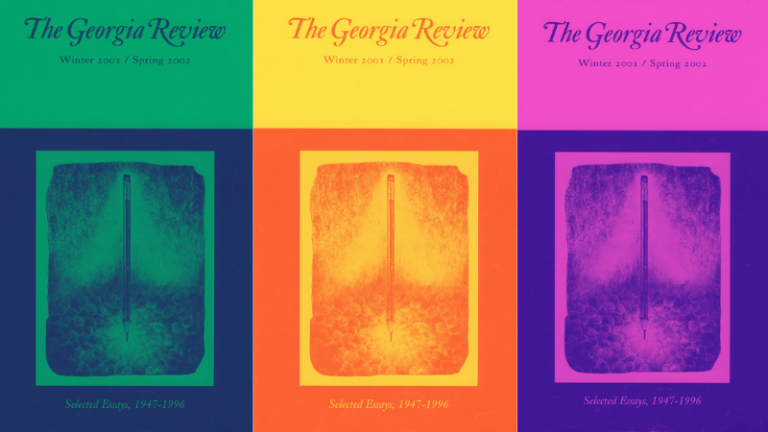
Indie literary magazines face numerous challenges, including attracting subscribers and receiving high-quality submissions. To test potential solutions, the Chill Subs team, in collaboration with The Georgia Review, embarked on an ambitious experiment involving thirty writers from three different genres. The idea was to mail each participant a backlist issue of The Georgia Review, accompanied by a thoughtful letter detailing the magazine's selection process, editorial approach, and submission guidelines.
The plan was simple: provide writers with a taste of the magazine's beauty and substance, potentially transforming curious readers into committed subscribers. In the first phase of the experiment, the team announced the initiative to their 22,000 newsletter subscribers, and the applications filled up in just three minutes. The experiment generated a lot of buzz but did not achieve its primary objective of increasing subscriptions.
In fact, none of the thirty participants signed up for The Georgia Review during the campaign. However, the experiment had some unexpected positive outcomes. The giveaway generated a significant waitlist of 1,527 writers, a 5% increase in newsletter signups, a noticeable spike in Instagram followers, and received three submissions from the participants.
What the experiment truly proved was its ability to generate engagement and generate interest in The Georgia Review. The editor letters, crafted by Amy Bonnaffons, C.J. Bartunek, and Noah Baldino, showcased the magazine's genuine desire to help writers improve their craft. The letters provided detailed, personalized insights into the editorial process, offering aspiring writers a unique opportunity to learn from experienced editors.
Despite the lack of immediate subscription growth, the participants appreciated the value of the editor letters and the thoughtful gift. One participant, Lily Kelting, displayed the issues on her coffee table, proudly showcasing the high-quality publication to friends in Pune, India. Another participant, Chris Clemens, questioned the subscription offer, expressing feelings of overwhelm and time constraints.
Paulina Pinsky highlighted the importance of follow-up communication, suggesting that a more proactive approach could have encouraged participants to submit their work. Overall, the experiment provided valuable lessons for indie literary magazines. While the gift alone may not have resulted in increased subscriptions, the engagement generated by the experiment suggests that there is a strong interest among writers in learning from established editors.
Future campaigns could focus on refining the subscription offer, perhaps by offering a trial subscription or providing additional resources to support writers in their submission process. By striking a balance between generosity and clear communication, indie lit magazines can foster a community of engaged writers and subscribers, ultimately benefiting the entire literary ecosystem.
Written by urgent.news from Literary Hub's reporting — not their text. Machine-written — may contain errors; check the original before relying on it.