Voters Don't Want Ideology—They Want a Revolt
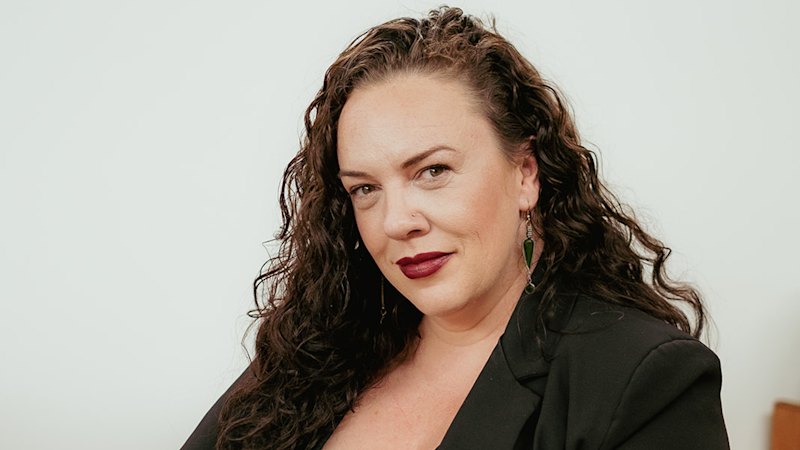
Francesca Hong’s Wisconsin loss shows primary voters are anti-establishment, whoever the establishment is.
The Democratic left may be experiencing a setback, but Tuesday's primary results suggest voters are more interested in a revolt than ideological alignment. In Wisconsin, Republican David Crowley narrowly defeated Democratic socialist representative Francesca Hong in the gubernatorial race. In Minnesota, progressive Lieutenant Governor Peggy Flanagan won the Democratic Senate nomination over centrist Representative Angie Craig. Connecticut saw former Hartford Mayor Luke Bronin unseat 14-term Representative John Larson.
The common theme among these victories is a desire for change, not necessarily a rejection of ideology. Rebekah Schilling, a voter in Connecticut, explained that she broadly agreed with Bronin's policies, but wanted representatives focused on issues like campaign finance reform and health care. Similarly, Nick Gasser voted for progressive candidate Ruth Fortune in Connecticut, citing her working-class background and campaign.
However, Gasser also expressed dissatisfaction with the Democratic establishment, which he deemed overly committed to wealthy donors and corporate interests.
Schilling herself noted that while she considered Larson an establishment candidate, Bronin could be perceived as such as well. What mattered more, she said, was the direction of their campaigns. Bronin's forward-looking approach appeared to resonate more with voters than Larson's rear-view focus.
Recent opinion data from Pew Research Center and Gallup support this interpretation. Both surveys found similar levels of unfavorable opinions towards both major parties, with a growing number of Americans identifying as independents. Political scientists caution against interpreting this dissatisfaction as a substitution for ideology, as many voters still prefer one party over the other.
Samara Klar, a political science professor, acknowledged the reality of disillusionment with political parties and elites, but emphasized that it does not necessarily mean voters abandon their ideological preferences. Voters can hold strongly liberal or conservative views while feeling disconnected from the party representing those views.
In Wisconsin, a July Marquette Law School Poll showed that 51% of registered voters considered Democrats too liberal and 52% considered Republicans too conservative, suggesting voters may be sorting candidates based on their perceived distance from the extremes. Thus, the revolt against the political establishment may not always be tied to a specific ideology but rather a desire for change and new perspectives in leadership.
Written by urgent.news from Newsweek's reporting — not their text. Machine-written — may contain errors; check the original before relying on it.