Virar-Dahanu Quadrupling: MRVC Uses Special Soil Technique To Tackle Marshy Land Challenges
Mumbai: Marshy stretches and highly compressible black cotton soil are emerging as a major engineering challenge in the Virar-Dahanu Road quadrupling project, prompting Mumbai Railway Vikas Corporation (MRVC) to adopt a special ground-improvement technique to make the land strong enough to carry new railway tracks. The Prefabricated Vertical Drain (PVD) method is being used in areas such as…
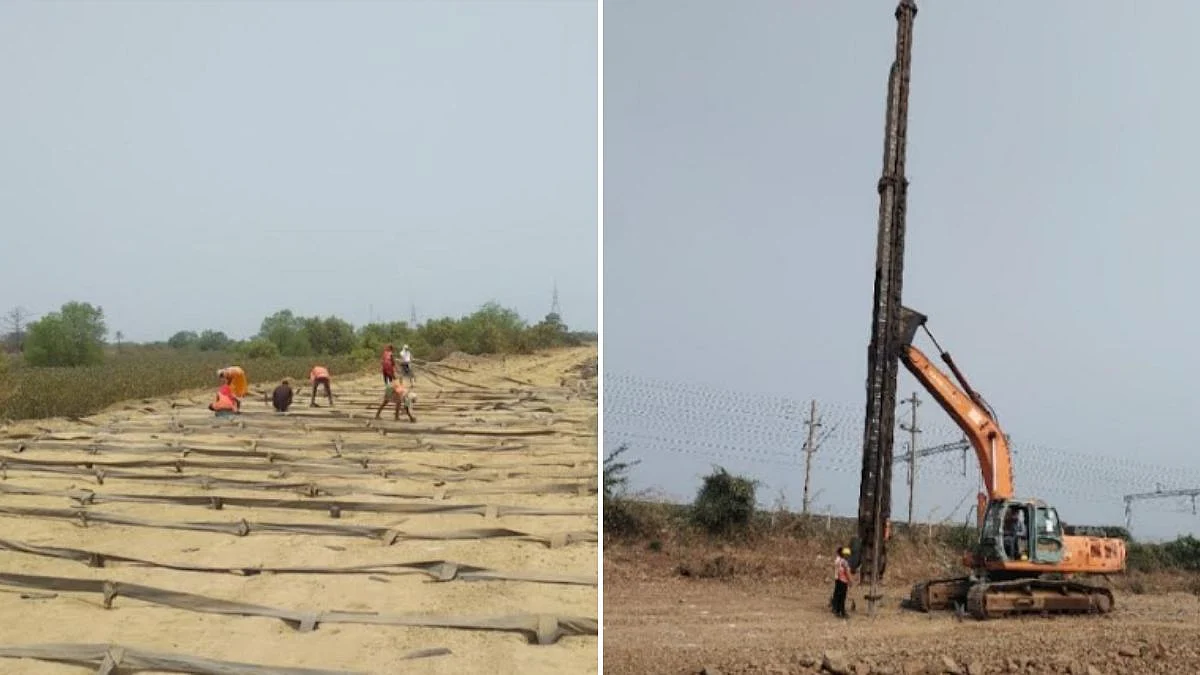
Mumbai's Virar-Dahanu Road quadrupling project faces engineering hurdles due to marshy land and compressible black cotton soil. To tackle this, the Mumbai Railway Vikas Corporation (MRVC) has adopted the Prefabricated Vertical Drain (PVD) method. This ground-improvement technique involves inserting thin, polypropylene drains into the soil, allowing water to escape and accelerating the consolidation process.
By using PVD, the time required to achieve 90% settlement can be reduced from several years to less than six months. The project, which has achieved 64% physical progress as of July 2026, will add two railway lines to the existing corridor and incorporates various infrastructure works.
Written by urgent.news from Free Press Journal's reporting — not their text. Machine-written — may contain errors; check the original before relying on it.