US stocks mostly up after data shows slightly lower inflation in July
Briefing.com analyst Patrick O’Hare said the market was “pretty disposed to upside action.”
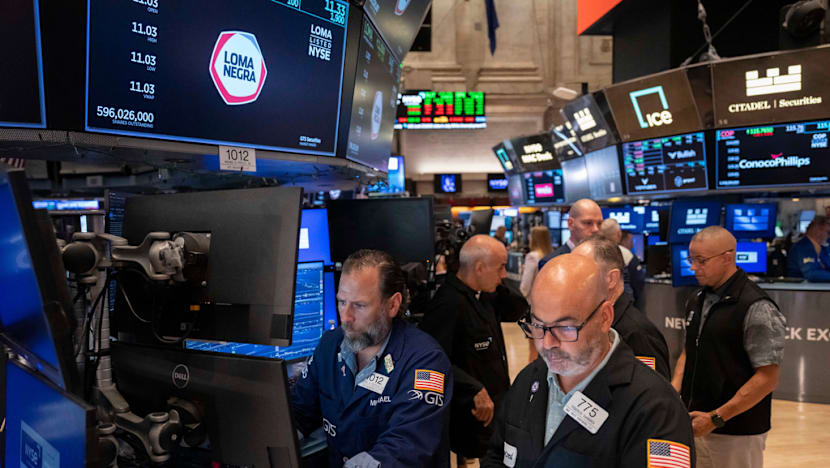
US stocks mostly rose on Friday as US consumer pricing data indicated slightly lower inflation in July, although a rise in Treasury bond yields hinted at lingering concerns about inflation, according to Briefing.com analyst Patrick O’Hare. Consumer inflation slowed to 3.4 percent in July from 3.5 percent the previous month, aligning with forecasts.
Analysts suggested the report provided the US Federal Reserve with more flexibility to postpone immediate interest rate hikes, despite ongoing inflation above targeted levels. Major indices spent the majority of the day in the green, driven by a rally in semiconductor shares following strong earnings from CoreWeave and other artificial intelligence firms.
However, yields on US Treasury bonds of 10- and 30-year maturities increased following the release of the consumer price index report, indicating market participants remain vigilant about potential inflation persistence, O'Hare noted. The July federal deficit expanded to $432.3 billion, the highest monthly figure since 2021, underscoring the scale of bond supply.
Markets will review July wholesale inflation data on Thursday to inform the Federal Reserve's outlook. Notably, semiconductor and other companies led the gains, suggesting overall market sentiment remains cautiously optimistic. While both the S&P 500 and Nasdaq edged higher, the Dow Jones Industrial Average closed slightly lower.
Paris, London, and Frankfurt experienced minor declines, mainly due to energy shares. London traders exhibited caution rather than conviction, as they remained preoccupied with the Middle East conflict and the uncertainty surrounding the Strait of Hormuz's reopening. US-Iran tensions eased, allowing oil prices to stabilize after recent volatility.
Pakistan's interior minister visited Iran to discuss regional security and stability, aiming to mediate a resolution to the ongoing conflict. Meanwhile, the International Energy Agency sharply reduced its forecast for global oil demand this year, citing reduced Strait of Hormuz output and high prices as deterrents. Oil demand is projected to fall by 1.6 million barrels per day compared to the July estimate, as high prices deter buyers.
The Strait of Hormuz's closure and elevated fuel prices persistently impact oil consumption, according to the Paris-based IEA.
Written by urgent.news from Channel News Asia's reporting — not their text. Machine-written — may contain errors; check the original before relying on it.
This story
This is one outlet's version. Read the fullest account.
- Inflation eased slightly to 3.4% in July, but energy prices are still high fastcompany.com
- US stocks mostly up after data shows slightly lower inflation in July nst.com.my
- Here are five key takeaways from the July CPI inflation report cnbc.com
- US inflation rises 0.1% in July, easing pressure on Fed semafor.com
- Venezuela inflation surges to near 20% in July, central bank says investing.com
- Japan's wholesale inflation spikes in July, bolsters rate-hike chance channelnewsasia.com