Unemployment in South Africa: Manufacturing and agriculture sectors hit hard
South Africa’s unemployment rate has climbed to 33.6%, with job losses in key sectors raising concerns over weak economic growth, declining investment and the country’s ability to create sustainable employment.
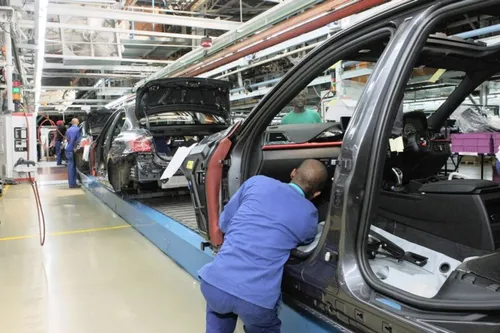
South Africa's unemployment crisis is worsening as traditional sectors like manufacturing and agriculture lose jobs, according to the latest data from Statistics South Africa. The official unemployment rate rose from 32.7% to 33.6% in the second quarter of 2026, with an additional 345,000 people joining the ranks of the unemployed. This pushes the total number of jobless individuals in the country to approximately 8.5 million.
Experts suggest that weak economic growth, declining investment, and rising costs are making it difficult for businesses to create new jobs. Raymond Parsons, a professor at NWU Business School, notes that the problem extends beyond cyclical unemployment and is deeply rooted in structural issues. He attributes South Africa's economic growth to a narrow range of 1% to 2%, hindering job creation at the necessary scale.
Nkosinathi Mahlangu, a youth employment specialist from Momentum Group Foundation, expresses particular concern for young people facing barriers in entering the labor market. He highlights a mismatch between the skills young people acquire and what employers require, with many young workers being forced into short-term jobs with little security. The decline in manufacturing and agricultural jobs is alarming as these sectors provided entry-level opportunities for the youth.
Agricultural economist Wandile Sihlobo warns against assuming the sector is collapsing, as the farming industry still employs 944,000 people, a 2% decrease from the previous quarter but a 4% increase year-on-year. However, he cautions that higher fuel and fertiliser costs, rising electricity prices, and the anticipated El Niño drought could impact agricultural employment in the future.
The National Youth Development Agency (NYDA) reports that the youth unemployment rate increased from 45.8% in the first quarter to 47.4% in the second quarter, indicating that almost half of the youth in the labor market remains unemployed. The agency emphasizes that addressing youth unemployment requires the economy to generate sufficient opportunities to absorb these skills.
Bennie van Zyl, general manager of TLU SA, attributes the employment crisis to a combination of factors including policy uncertainty, labor laws, poor infrastructure, and struggling ports. He stresses that creating jobs necessitates an environment encouraging investment and growth. Addressing these challenges requires a coordinated effort between government and the private sector, with policies such as Operation Vulindlela and the Presidential Employment Stimulus needing to be accelerated.
Written by urgent.news from IOL's reporting — not their text. Machine-written — may contain errors; check the original before relying on it.