Torah dictatorship: How Israel’s ultra-Orthodox parties gained their influence – and why they risk losing it
Amid the unresolved situation in Gaza and the continued presence of Israeli troops in Lebanon and Syria, Israel’s Oct. 27 parliamentary election campaign is already in full swing. Most polls give neither the current coalition nor the opposition the 61 seats needed for a majority, meaning various smaller parties could once again determine the fate of the government — as they have many times in…
The 25th Knesset's term concluded recently on July 17, marking one of the most contentious periods in Israel's history. This era encompassed the Hamas terrorist attack of 2023 and subsequent conflicts in Gaza, Lebanon, and Iran. Israeli society was deeply divided over Benjamin Netanyahu's judicial reforms and controversies surrounding ultra-Orthodox military service.
Elections to elect a new Knesset are underway, with polls showing no clear majority for either the governing coalition or opposition parties. As of late July, the Zionist opposition parties—excluding the two Arab lists—had a projected 60–61 seats. The governing coalition's Zionist parties averaged 34 seats without the ultra-Orthodox representation and 50–52 with it. However, Channel 14 polls, which support Netanyahu, projected 45 seats without the ultra-Orthodox and 62 with them.
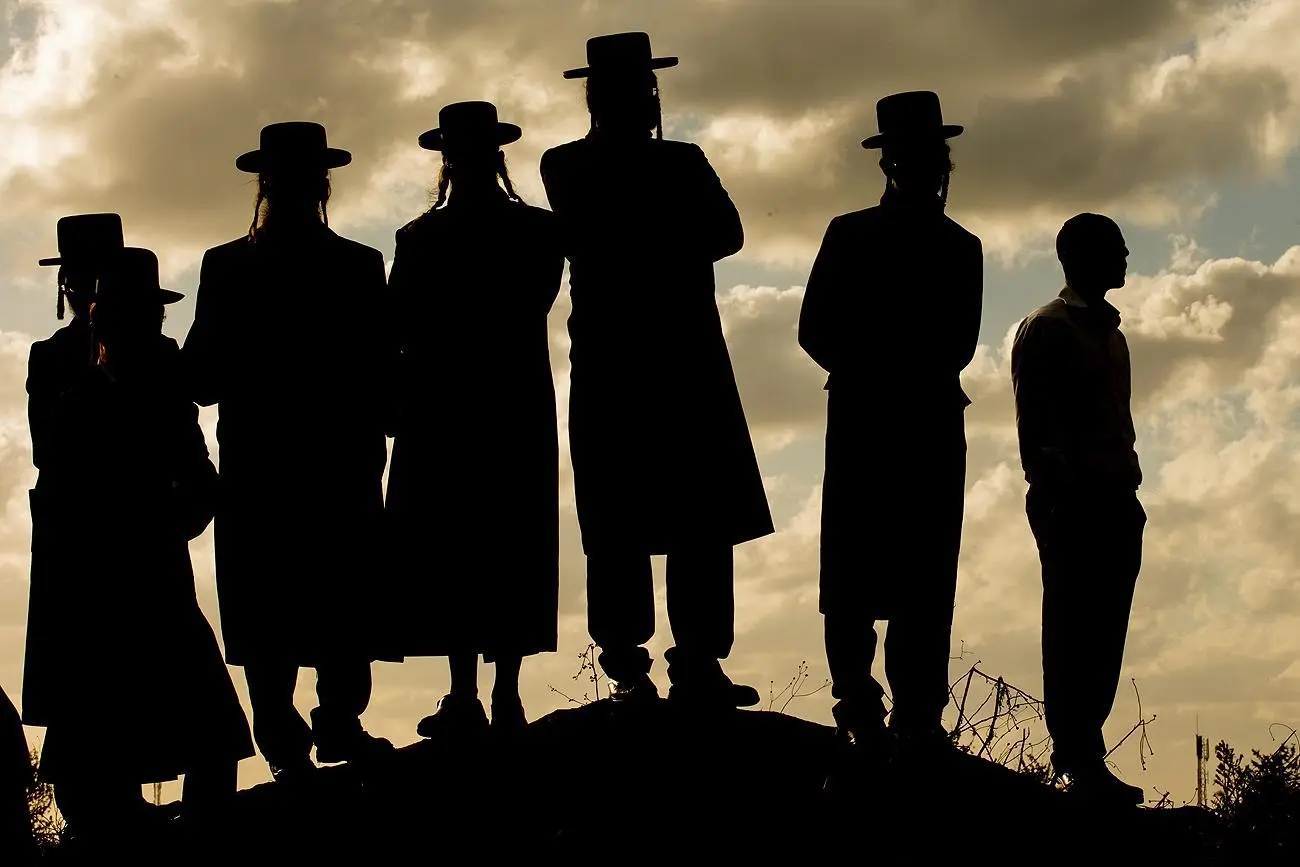
The opposition could potentially secure more than 60 seats, while Netanyahu and the ultra-Orthodox could also reach that number. The main question now is cooperation between the potential winners and non-Zionist parties, such as the ultra-Orthodox. Some oppose sitting with Netanyahu, while others might be willing to compromise for national unity. The ultra-Orthodox seek state funding for their communities, rabbinical court authority, and exemptions for yeshiva students from military service.
Attempts to reach agreements on these matters date back to Israel's independence. In 1947, David Ben-Gurion, the first prime minister, promised to preserve Jewish traditions in exchange for the ultra-Orthodox's support for the state's establishment. However, this changed in the late 1970s and early 1980s when the left-wing camp lost power.
Written by urgent.news from The Insider's reporting — not their text. Machine-written — may contain errors; check the original before relying on it.