The word India’s ‘cockroach’ protests missed can be found in China
At Jantar Mantar, New Delhi’s designated protest site, India’s future spent weeks enduring the heat and demanding change. But what kind of change, and why? These were young people, many of them highly educated but still without a job despite sitting numerous government recruitment exams. Their anger was not because they had been cheated. It stemmed from worse: their qualifications had simply…
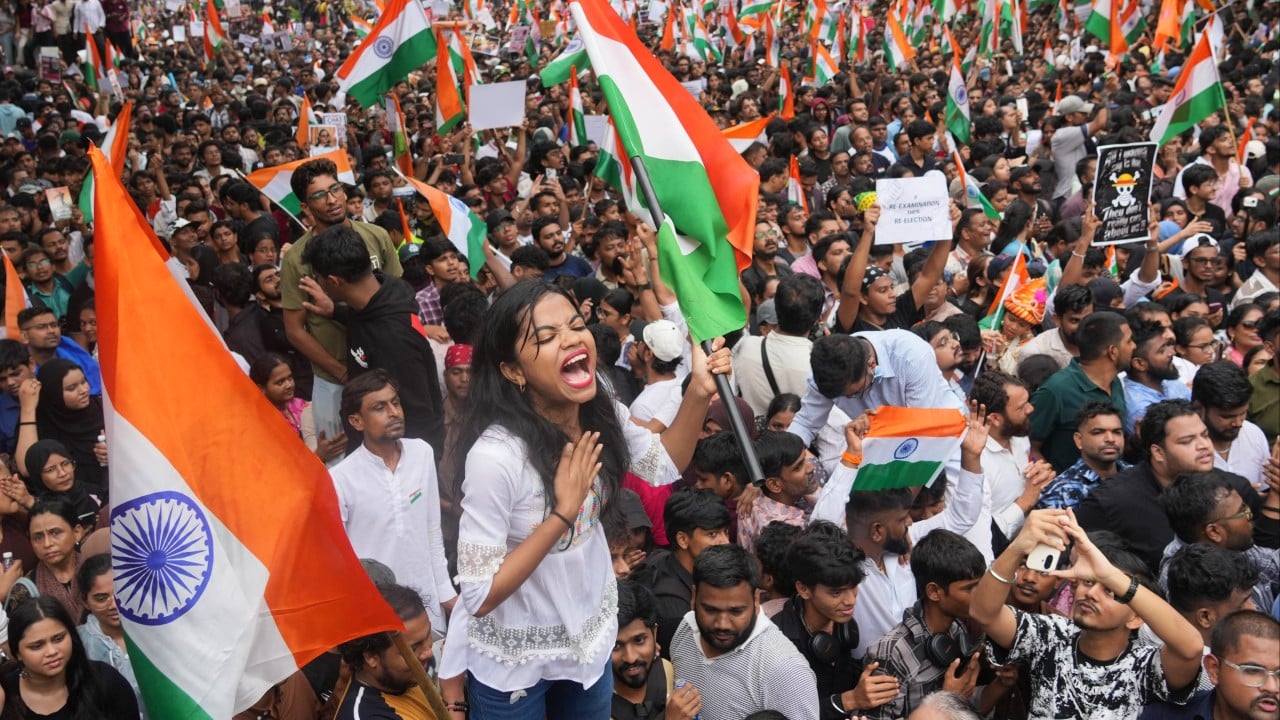
In New Delhi, India’s designated protest site at Jantar Mantar, young, highly educated Indians gathered over weeks demanding change. Their anger stemmed from a deeper issue – their qualifications had lost their value. China has a term for this predicament – "involution," or "neijuan" in Chinese. It refers to internal competition that leads to ruinous competition, rising effort, collapsing margins, and overall deterioration.
In India, universities were built faster than job opportunities, resulting in credential inflation – a situation where a degree no longer guarantees employment. While China named this problem years ago, India has only recently arrived at it suddenly, following leaked questions from a crucial exam. The protests, led by the Cockroach Janta Party, a satirical youth movement named after a comparison of jobless graduates to cockroaches, saw thousands hold demonstrations at Jantar Mantar.
After weeks of protests, including an activist’s hunger strike, education minister Dharmendra Pradhan resigned. The protests highlighted the issue of social mobility, but they were not necessarily about climbing higher on the ladder but questioning why the ladder no longer leads to employment. Both China and India built universities at a faster pace than the job market could accommodate, leading to a cycle of endless exams and no jobs.
China has lived with this issue for years, while India is experiencing it more suddenly. The difference in response highlights the country's failure to articulate the root cause of the problem.
Written by urgent.news from South China Morning Post's reporting — not their text. Machine-written — may contain errors; check the original before relying on it.