The Flawed Logic of Trump’s Airplane Escape
The president cleverly evaded a serious threat, but he shouldn’t have kept it a secret.
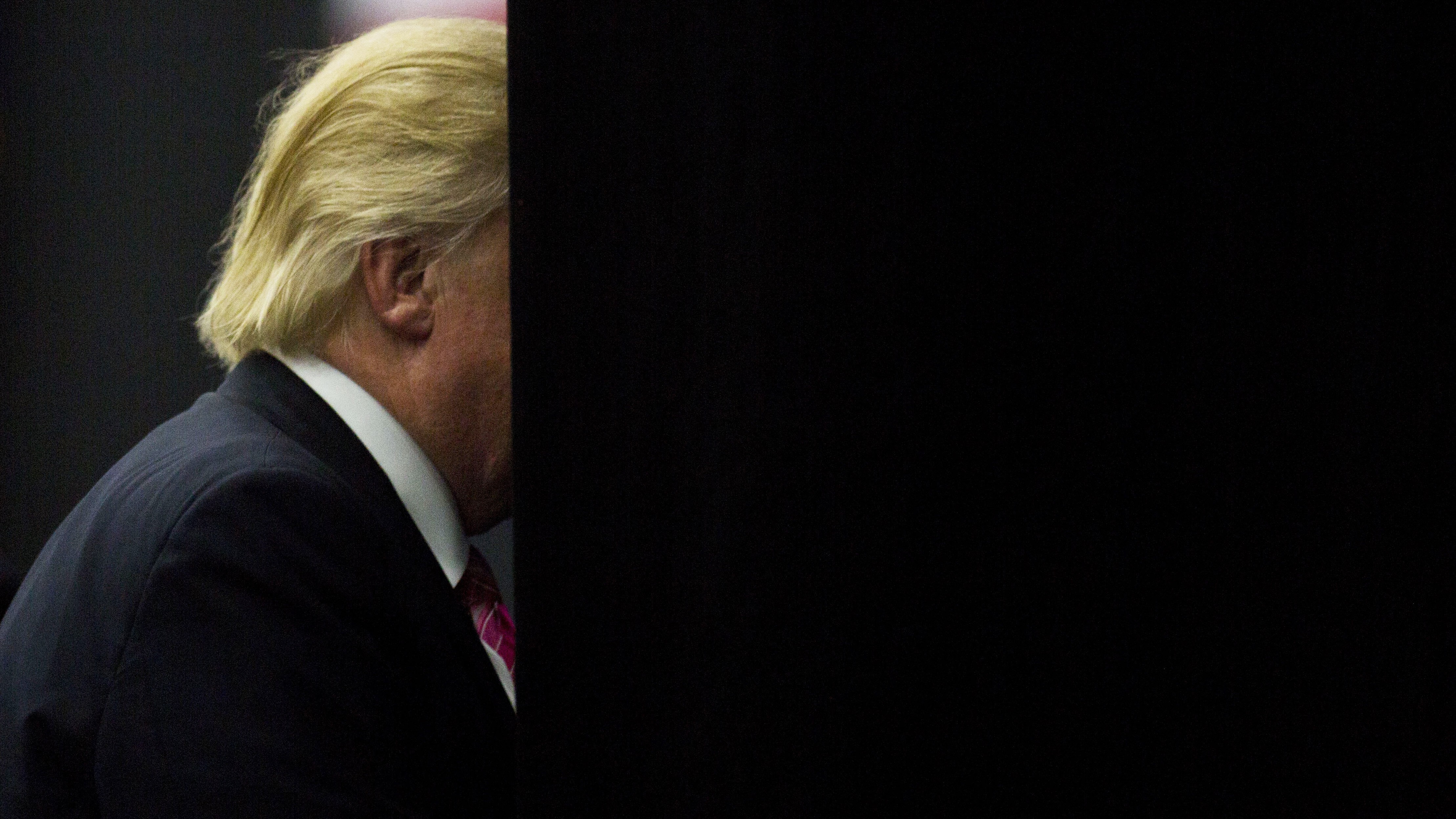
A recent revelation from The Atlantic Daily sheds light on Donald Trump's unconventional escape from an alleged Iranian assassination plot. The president, who was once the subject of adoring fans and paparazzi in a classic scene from the 1964 Beatles movie A Hard Day's Night, resorted to a similar tactic to avoid danger. Trump, along with three White House aides, a White House executive assistant, and military officials, engaged in a complex ruse to evade an assassination plot.
The Secret Service, alerted to the plot, devised a clever plan: Trump boarded a standard Air Force One jet while fans watched, then swiftly switched to a catering container that was then transferred to a smaller C-32A aircraft. Once on the C-32A, Trump boarded the real Air Force One, which had become the designated flight for him. This complex charade saw the original 747 and the 747 both traveling to the United Kingdom, with the 747 continuing the ruse by identifying itself as "Air Force One."
The story raises questions about the necessity of such elaborate measures. If the threat was indeed dire enough to require such a drastic measure, why not keep all passengers informed? The situation also raises questions about Trump's decisions regarding the safety of his staff. Reports suggest that several American civilians, including two Cabinet secretaries, were left on the decoy plane, a decision that may have been both morally reprehensible and politically inept.
Written by urgent.news from The Atlantic's reporting — not their text. Machine-written — may contain errors; check the original before relying on it.