The best photos of Europe's 2026 solar eclipse
The solar eclipse on Wednesday was visible from many parts of Europe and some of North America. The economy in Iceland saw a significant boom.
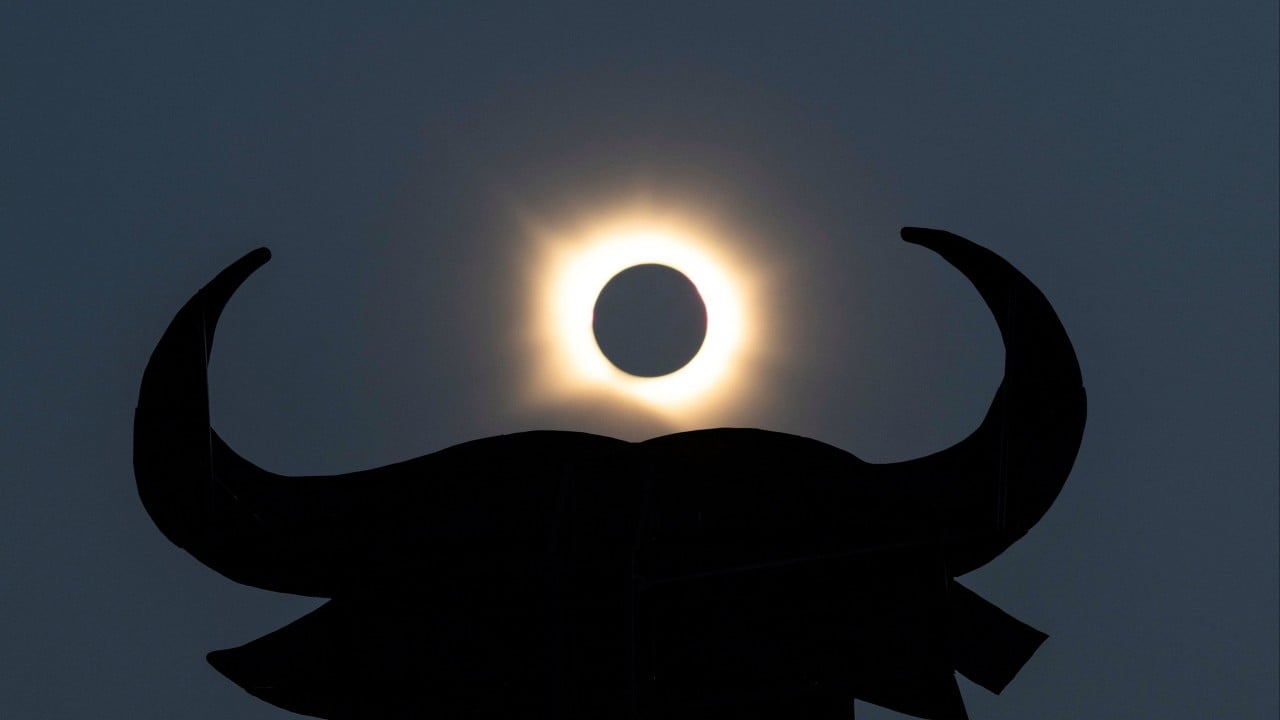
Europe witnessed a total solar eclipse on Wednesday, captivating onlookers across the continent. The phenomenon occurred as the moon passed in front of the sun, creating a celestial display that began at 11:34 a.m. ET. Totality lasted approximately 2 minutes and 18 seconds, a rare event that only takes place once a year.
Iceland, Greenland, Spain, the Arctic, and portions of Portugal and Siberia were fortunate enough to experience the full eclipse. In North America, Canada and northern parts of the United States observed a partial eclipse, a stark contrast to the 2024 eclipse that traversed the entire nation.
The eclipse brought a tourism boom to Iceland, with hotel prices in the capital, Reykjavik, skyrocketing to over $1,000 per night, a 212% increase from the city's 2026 average rate. The next total solar eclipse visible from the United States will not occur until March 2033, while the contiguous U.S. won't see one until August 2044.
European reactions to the eclipse varied. Some gathered for a five-day science and music festival in Iceland, alongside notable figures such as artist Imogen Heap, Academy Award-nominated director Darren Aronofsky, and astronaut Sian Proctor. Others opted for multi-thousand-dollar cruises or special flights to witness the eclipse unobstructed above the clouds, some paying up to $1,200 for a seat.
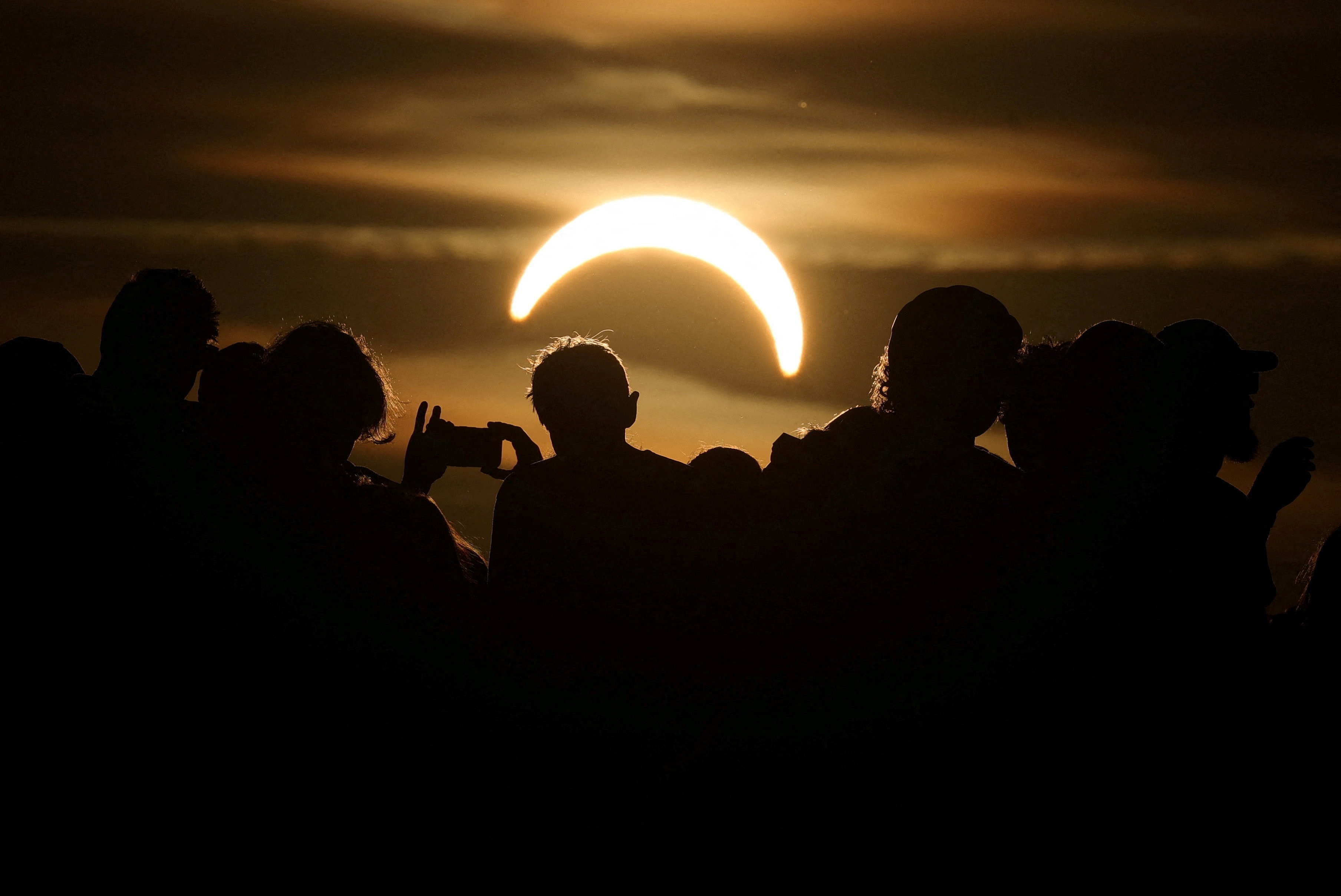
Photographs from the event showcase the moon partially covering the sun in Paris, where the Eiffel Tower became a silhouette. In Spain, a photo captured the moon beginning to eclipse the sun in Caspe. Some attendees faced challenges finding proper eye protection, with a shortage of solar eclipse glasses in UK shops leading to alternative options.
Scientists and astronomers from the University of Toulouse and other institutions studied the eclipse to gain a deeper understanding of the sun's magnetic field. Cloud cover in parts of Northern Europe prevented some from viewing the full spectacle. Greenland also saw a boost in tourism, with some cruise ship tours costing upwards of $10,000.
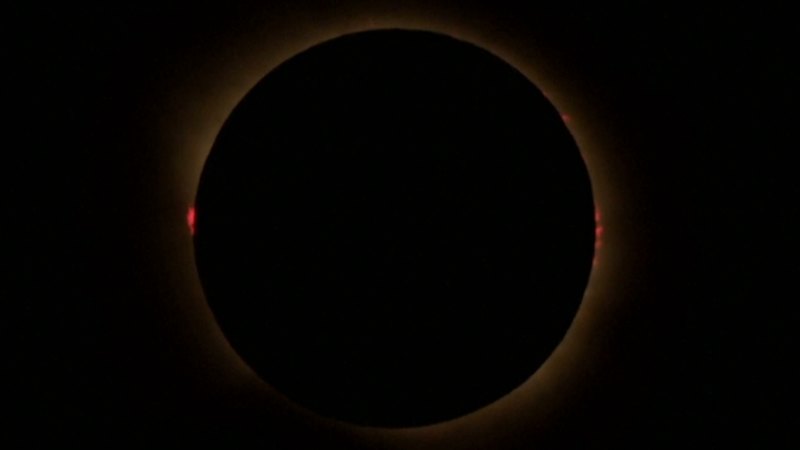
The moon eclipsed the sun during the event in Spain, with the outer atmosphere of the sun, known as the corona, visible during totality.
Written by urgent.news from Business Insider's reporting — not their text. Machine-written — may contain errors; check the original before relying on it.