Takaichi, the Three Non-Nuclear Principles, and a Strained US Nuclear Umbrella
For Japan, the most immediate question is not whether to pursue nuclear weapons itself, but whether to allow its ally’s nuclear-capable assets on Japanese soil.
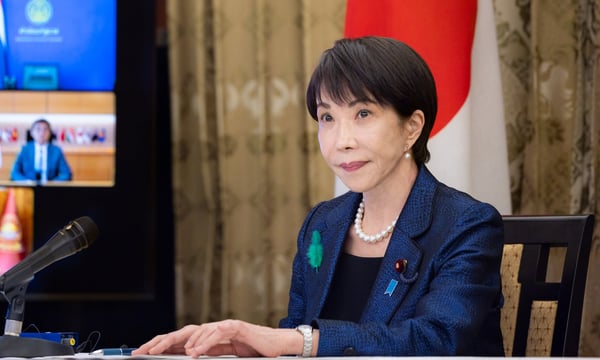
Eighty-one years after the atomic bombings of Hiroshima and Nagasaki, Japan faces a challenge in balancing its identity as the only country to suffer atomic attack in wartime with strengthening deterrence against nuclear-armed neighbors. Prime Minister Takaichi Sanae has upheld Japan's Three Non-Nuclear Principles - not possessing, not producing, and not permitting nuclear weapons in Japanese territory - yet declined to confirm if these principles would remain explicit in upcoming strategic documents.
The principles are a symbol of Japan's postwar identity but their compatibility with an increasingly nuclear-capable region and potential U.S. nuclear-armed platforms remains uncertain. The tension is highlighted in Nagasaki where Mayor Suzuki Shiro warned of the dangers of nuclear weapons and urged Japan to uphold the Three Non-Nuclear Principles.
However, Takaichi emphasized a "realistic and practical" approach to achieving a world without nuclear weapons. The credibility of U.S. extended nuclear deterrence is under strain as adversaries acquire more credible means of striking the U.S. homeland. Japan's reluctance to discuss nuclear deterrence openly is gradually eroding, with Defense Minister Koizumi Shinjiro calling for a broader national debate.
The U.S. Navy's development of a nuclear-armed Sea-Launched Cruise Missile may further complicate the issue as Japan will need to consider whether strict adherence to the Three Non-Nuclear Principles is compatible with port visits by U.S. platforms potentially carrying such weapons.
Written by urgent.news from The Diplomat's reporting — not their text. Machine-written — may contain errors; check the original before relying on it.