수두 걸려도 견뎌야…얼굴도 마음도 흉터만 남은 가자의 여름
Even as the world grapples with scorching summer temperatures, the residents of Gaza face an intensified ordeal due to the extensive destruction of infrastructure. Last month, the United Nations reported that in just two weeks, 9,300 cases of fever were reported in Gaza. This surge in infectious diseases is attributed to poor sanitation, overcrowding, inadequate medical facilities, and seasonal factors.
The Korea Herald has partnered with civil society organizations Adi and the Palestinian Women's Council Union to share interviews of Palestinians suffering from the war. Living in a camp, the narrator now regrets that summer is the hardest season. Before the war, they took for granted the use of air conditioning or fans. Now, their dwellings have been destroyed, and the electricity from the Israeli power plant has been cut off.
Generating electricity requires the use of small generators, with priority given to hospitals. The tents absorb heat during the day, making them feel like ovens, and the lack of water often leads to the use of wet cloths on the face and head. Although the situation does not improve at night, it becomes more unbearable. The lack of sleep, fatigue, and headaches make each day unbearable.
Nightmares are not only caused by the heat but also by the sight of a large rat running through the tent after entering through the blanket. The fear of being attacked by rats keeps them awake at night. The basic act of getting a good night's sleep has turned into a nightmare. The summer months bring a rise in diseases in Gaza. Recently, the narrator contracted measles, one of the most challenging experiences of their life.
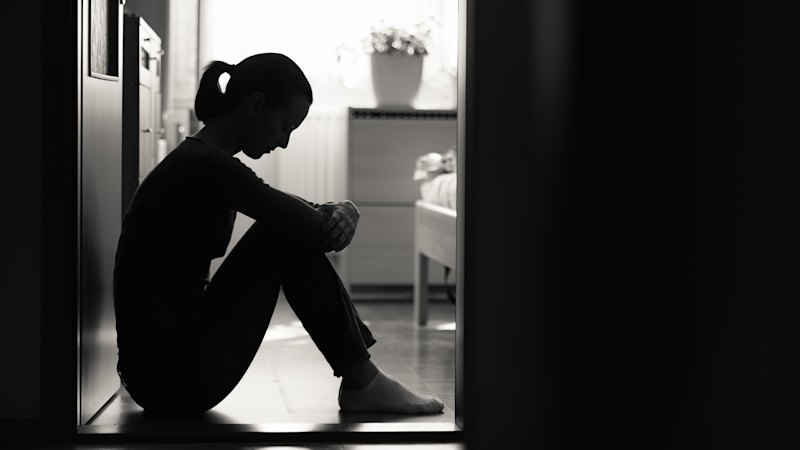
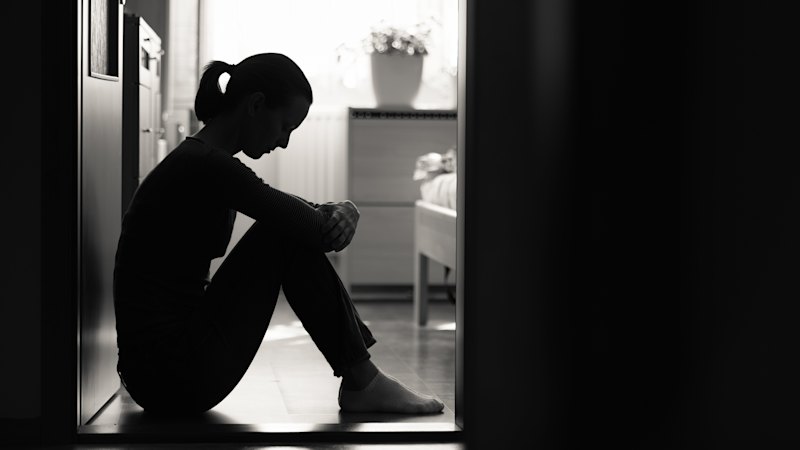
The fever, chills, and rashes left them feeling like fire was burning under their skin, and the constant heat made it difficult to sleep. They were quarantined at home, separated from their family, and struggled to find fresh food due to its high cost. The scars from the measles remain visible on their face, and seeing their reflection in the mirror often brings a sense of despair.
They often wonder about their basic needs, such as safe drinking water and a good night's sleep, which are now a constant source of worry. The narrator hopes that others will not forget them and will share their struggles, providing a sense of hope and community.
Written by urgent.news from Hankyoreh's reporting — not their text. Machine-written — may contain errors; check the original before relying on it.