Senate panel questions need for climate change authority
ISLAMABAD: Chairperson of the Senate Standing Committee on Climate Change Senator Sherry Rehman has questioned the need for maintaining the Pakistan Climate Change Authority (PCCA), arguing that its mandate, functions and expertise substantially overlapped with those of the Ministry of Climate Change and Environmental Coordination. Chairing a meeting of the committee on Tuesday, Ms Rehman said…
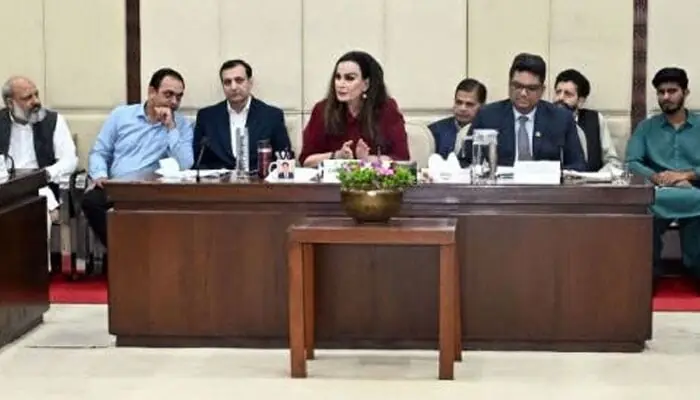
Senator Sherry Rehman, head of the Senate Standing Committee on Climate Change, raised doubts about the necessity of preserving the Pakistan Climate Change Authority (PCCA). She contended that its duties and capabilities largely overlapped with the Ministry of Climate Change and Environmental Coordination. During a committee meeting on Tuesday, Ms Rehman proposed the government rethink the PCCA's institutional framework, especially considering the ministry is coping with dwindling budget allocations.
She noted that the ministry's funding under the Public Sector Development Programme had dropped to Rs2.478 billion from Rs3.5bn, while Rs2.7bn was granted in the previous fiscal year. Consequently, she queried the logic behind establishing a distinct authority and allocating 24 posts when its core duties seemed to be duplicated by the ministry.
"What added value does this authority bring when its responsibilities are already shouldered by the ministry?" she asked. Ms Rehman also inquired about the delegation of ministry personnel to the authority and the exchange of technical staff between the two entities, viewing her concerns not as personal reprimands but as institutional redundancies and repetitive reassignments of expertise.
She expressed skepticism about whether the capacity required could be better harnessed within the ministry rather than through a separate structure. Furthermore, she questioned the authority's capacity to engage provincial governments, given the ministry's existing mandate for such coordination. The committee sought clarification on the PCCA's capability to attract international climate finance, including funds from the Green Climate Fund.
The chairperson instructed the climate secretary to provide a comprehensive justification of the authority's institutional relevance, staffing, deputation practices, financial impact, technical contribution, international collaborations, and potential for mobilizing climate finance at the committee's next session. The committee deemed the PCCA for abolition if it could not prove its unique and quantifiable value.
They also examined the escalating risk of Glacial Lake Outburst Floods (Glofs) and the accelerated melting of Pakistan's glaciers. A UNDP official informed the committee that Pakistan is home to over 30,000 glaciers, and climate change is hastening glacial melting. The committee was told that 108 disasters had been managed through early warning systems, including two Glof incidences.
The committee members expressed dissatisfaction, stating that the committee had been presented with similar information the year before without substantiating any changes. Ms Rehman called for a more thorough assessment of glacial melt, vulnerable communities, and future risks, urging enhanced collaboration among the National Disaster Management Authority, Pakistan Meteorological Department, and climate authorities.
The committee also looked into the enforcement of the Islamabad Capital Territory (Prohibition of Plastic Book Covers) Act, 2026. She criticized the weak implementation and the continued widespread use of plastic in the capital, pointing out that plastic waste contributed to blocked drains and environmental pollution. She also questioned the validity of claims regarding biodegradable or recyclable products without proper standards and verification.
While emphasizing the need for enforcing the ban, she argued that affordable alternatives should be made available, particularly to low-income consumers who rely on plastic packaging for daily essentials. The committee stressed that effective plastic regulation necessitated both enforcement and practical alternatives to facilitate consumers and businesses in transitioning away from detrimental materials.
Written by urgent.news from Dawn - Pakistan's reporting — not their text. Machine-written — may contain errors; check the original before relying on it.
This story
This is one outlet's version. Read the fullest account.