Russia’s oil money is drying up—so its own people are paying for the war
Fresh figures show the Iran oil windfall came and went—and Russia, further behind than before, is now reaching for pensions and paychecks.
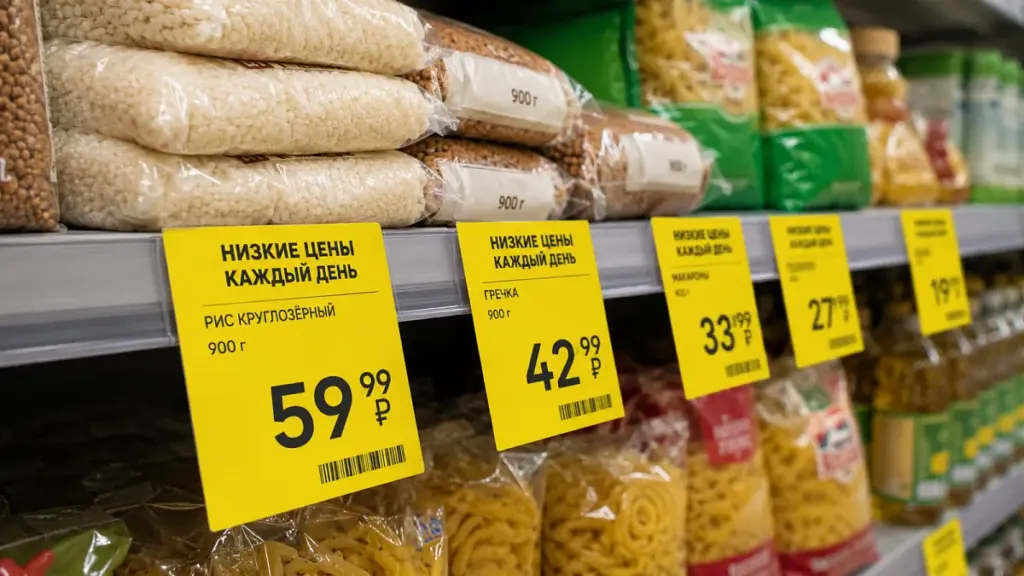
Russia’s war budget initially enjoyed a brief respite this spring when the Iran war caused oil prices to rise. However, that reprieve was short-lived. In July, the budget slumped into an $8.8 billion deficit, with a seven-month shortfall already eclipsing the entire deficit run by Russia last year, despite still having five months left in the fiscal year.
As oil revenues dwindle, the Kremlin is facing the challenge of compensating for the shortfall by levying higher taxes on ordinary Russians and potentially tapping into their savings. Despite oil and gas income, which had been the war’s main financial driver, plummeting by roughly 20% year over year, the government is still able to mint cash, but it is doing so in ways that are politically challenging to implement.
State procurement has surged by nearly 20%, while the value-added tax (VAT) receipts have surged by a quarter following a significant tax hike to 22% at the start of the year. Anton Siluanov, Russia’s Finance Minister, has acknowledged the strain on the government's finances. One month of respite has given way to a renewed deficit, despite higher oil prices in spring, as much of the windfall went towards subsidizing oil companies whose refineries have been targeted by Ukrainian drones.
The economy’s modest growth in the first half of the year suggests that a second-half recession could further tighten the already widening gap in the budget. Experts predict that Russia’s full-year deficit could approach double last year’s by year’s end. Meanwhile, the military is reportedly demanding roughly 40% more than planned, further straining the budget.
Borrowing has become an alternative measure, but Russia has already exhausted its borrowing options domestically, and the government has suspended government bond auctions following investor pushback. As the burden shifts onto households, a recent VAT hike alone is projected to raise about $13 billion annually, barely enough to cover a month of military spending.
Lawmakers are even discussing the potential of dipping into private pension funds, which could yield up to $40 billion, while the Communist Party leader has called for the use of bank accounts to fill the gap. Russia is not yet out of cash, but it is running out of options that are politically palatable to implement.
Written by urgent.news from Euromaidan Press's reporting — not their text. Machine-written — may contain errors; check the original before relying on it.