Risky drinking persists in rural WA despite culture shift
A West Australian cattle station manager says he has noticed healthier drinking habits of his young crew which gave him hope for the industry.
Research indicates that hazardous drinking rates persist at high levels in Western Australia's northern regions, a phenomenon influenced by stress, isolation, and a cultural emphasis on alcohol. In the Pilbara area, which lies approximately 1,100 kilometers north of Perth, 51% of adults consumed more than ten standard drinks per week in 2024, surpassing rates in the Kimberley and across the entire state.
Mark Bettini, who assumed management of his family's De Grey Station near Port Hedland in 1996, recalls that alcohol was a significant issue among the workforce in the early years. He attributed this to long hours and peer influence, noting that alcohol served as a means of relaxation for those working grueling shifts. Public health expert Nyanda McBride attributes the elevated rates of hazardous drinking in rural and farming communities to risk factors like male demographics, socioeconomic disadvantage, psychological issues like depression, financial pressures, seasonal stressors, work-life balance challenges, physical health concerns, and social stigmas against seeking help.
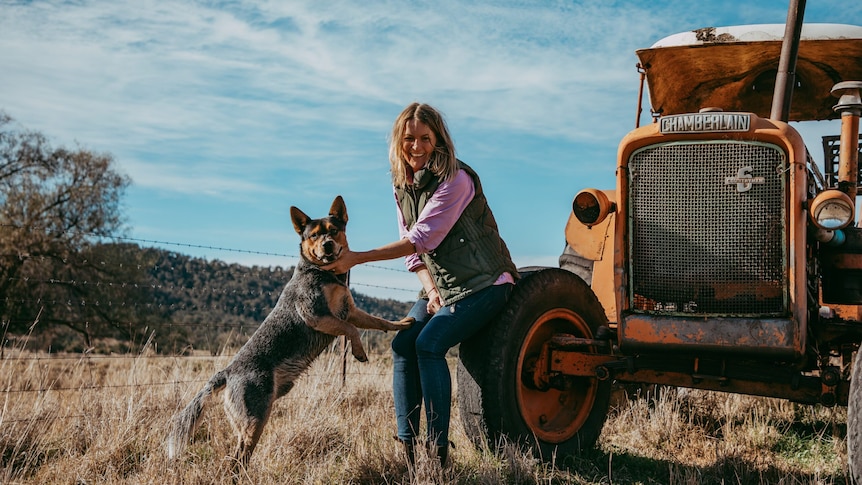
Farming worker Shanna Whan's personal experience underscores the prevalence of problematic drinking, recounting instances of sexual assault linked to alcohol use and the normalization of alcohol-facilitated social interactions. Whan's recovery led to the establishment of Sober in the Country, an organization aimed at challenging alcohol norms in rural Australia.
While she acknowledges significant progress over the past decade, including reduced instances of workplace alcohol-related incidents at De Grey Station, she emphasizes ongoing efforts to promote healthier drinking habits among younger generations entering the industry. Bettini highlights a marked improvement in his staff's drinking behavior, attributing it to their commitment to maintaining a safe work environment and fostering positive habits from the outset of their careers.
Written by urgent.news from ABC News AU's reporting — not their text. Machine-written — may contain errors; check the original before relying on it.