RFK Jr. says he can’t legally vote anywhere in America. Here’s why
Health and Human Services secretary Robert F. Kennedy Jr. has made a lot of controversial claims , but this might be the most perplexing yet. On Tuesday, the 72-year-old claimed he is currently unable to vote “anywhere in the United States”—despite holding one of the most senior offices in American government—because he has “no legal residence,” or is, for all intents and purposes, homeless. RFK…
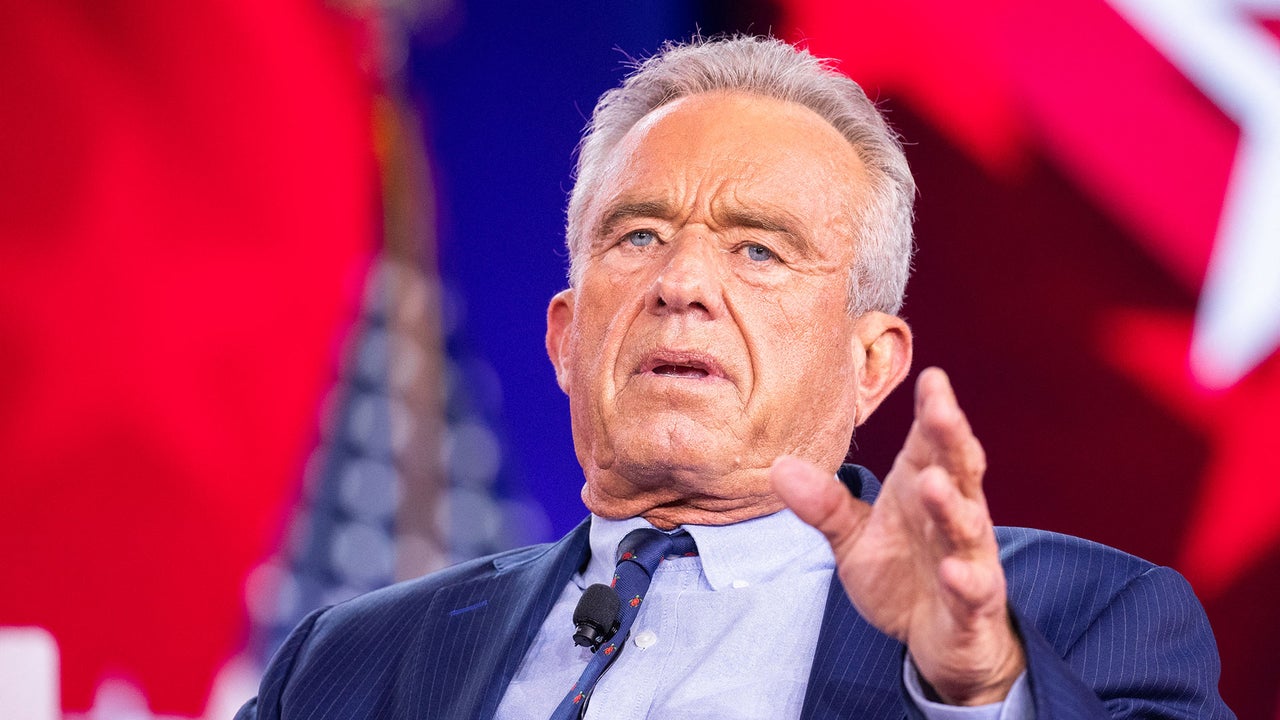
Health and Human Services secretary Robert F. Kennedy Jr. has sparked controversy by claiming he cannot legally vote anywhere in the United States. Despite his high-ranking government position, RFK Jr. asserts his inability to vote due to a lack of "legal residence," effectively making him homeless. This assertion emerged during a press conference alongside Housing and Urban Development Secretary Scott Turner, discussing homelessness in Los Angeles.
Kennedy explained his predicament, linking it to the legal challenges he faced during his failed 2024 presidential campaign as an independent candidate. His bid for the presidency was met with legal opposition from the Democratic Party in 12 states, including his home states of New York and California. The disputes centered around his alleged lack of legal residence, a claim he made during his campaign.
RFK Jr. previously resided in New York, where he had owned a home. However, a judge ruled that his residence—a rented room at a friend's house in Katonah, New York—did not meet New York state's criteria for legal voting eligibility. Consequently, Kennedy was removed from the ballot in all 12 states where he had claimed New York as his official residence.
This peculiar situation raises questions about the criteria for legal residence and voting eligibility in the United States. While the Constitution does not require citizens to own a home to vote, the requirement for a "legal residence" remains a point of contention. The case highlights the complexities surrounding voter eligibility and the impact of legal disputes on political campaigns.
Written by urgent.news from Fast Company's reporting — not their text. Machine-written — may contain errors; check the original before relying on it.