Radiation-shielding vest aced Artemis I lunar test, could protect astronauts on moon and Mars missions
A radiation-shielding vest aced its Artemis I lunar test in 2022, suggesting that it could protect astronauts on long-duration missions to the moon or Mars.
A radiation-shielding vest designed by Israeli company StemRad, known as the AstroRad vest, has successfully passed NASA's Artemis I lunar test, potentially offering protection for astronauts on future missions to the Moon and Mars. The vest, which weighs around 57 pounds (26 kilograms), uses a high-density plastic rich in hydrogen to create a dense shield against radiation particles, without the heavy drawbacks of lead shielding.
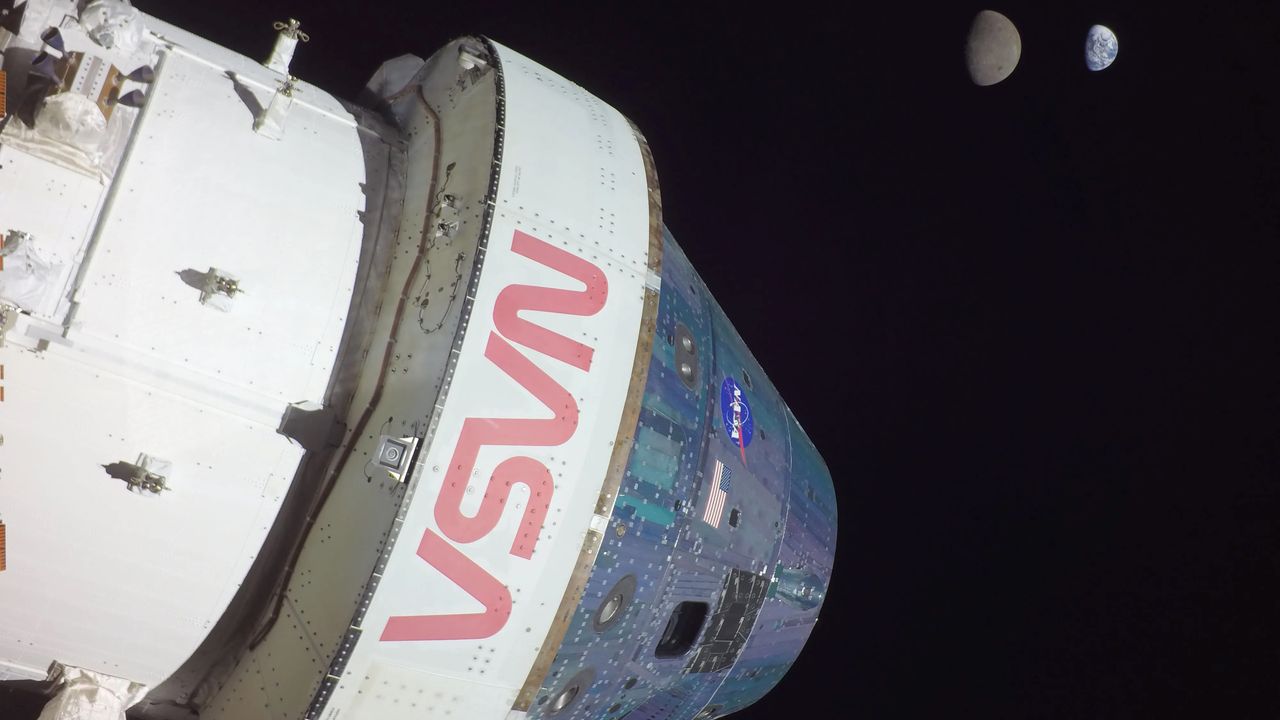
The vest was tested on two humanoid dummies, named Helga and Zohar, during the Artemis I mission. While Orion did not experience a significant solar outburst, the study found that the AstroRad vest would have significantly reduced the radiation dose by up to 60% during past solar particle events. This targeted approach to shielding, focusing on the most sensitive organs and tissues, proved even more effective than initially anticipated, potentially saving astronauts the equivalent of up to 193 days of deep-space radiation exposure.
Written by urgent.news from Space.com's reporting — not their text. Machine-written — may contain errors; check the original before relying on it.
This story
This is one outlet's version. Read the fullest account.