Oil rises after attacks on ships in Hormuz, Bab el-Mandeb
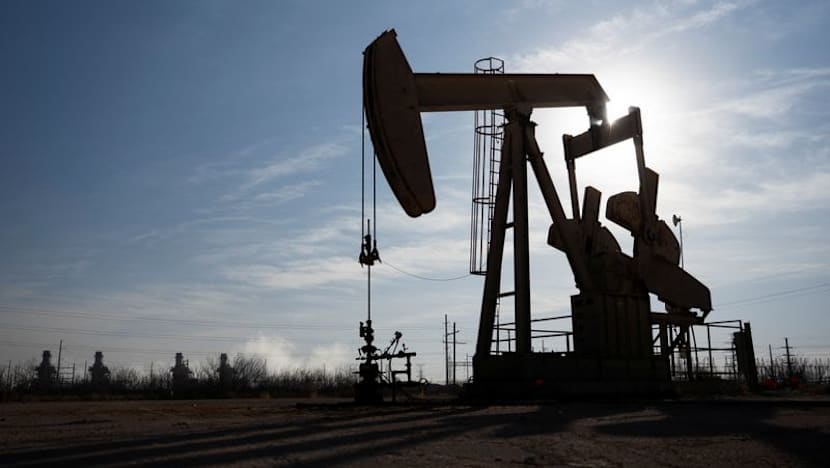
Oil prices edged higher on Wednesday as attacks on ships in the Middle East persisted and negotiations to end the Iran conflict stalled. Brent crude futures climbed 7 cents to $88.98 a barrel, while U.S. West Texas Intermediate crude rose 7 cents to $83.27. The gains were tempered by forecasters reducing their global oil demand projections for 2026.
Iranian officials reportedly stated to Reuters that there were no ongoing discussions with the U.S. to renew their truce, as Tehran viewed the agreement as having no initiation date, thus nothing to extend. The resilience of oil prices stems from markets' growing uncertainty about reaching a resolution to alleviate disruptions to Middle Eastern oil and gas flows or prevent further conflict escalation.
Simon-Peter Massabni, head of business development at brokerage XS.com, noted that markets are increasingly skeptical of an imminent agreement to ease oil supply constraints. The U.S. and Yemen's Iran-backed Houthis claimed responsibility for separate attacks on shipping in the Strait of Hormuz and Bab el-Mandeb Strait on Tuesday, two vital export routes for Middle Eastern oil and gas.
Shipping data revealed a one-week low of eight vessels traversing the Strait of Hormuz, down from the typical daily average of 125 to 140 vessels pre-war. Both the Organisation of the Petroleum Exporting Countries (OPEC) and the International Energy Agency (IEA) had revised their projections for global oil demand growth in 2026, with the IEA predicting a 1.6 million barrels per day (bpd) decrease this year and an overall 2026 deficit of around 1.27 million bpd.
Written by urgent.news from CNA - Business's reporting — not their text. Machine-written — may contain errors; check the original before relying on it.