Of MMC Ports, Strait of Malacca and Sultan Ahmed's appointment
KUALA LUMPUR: MORE than six centuries ago, merchant ships from China, India, Arabia and the Malay Archipelago sailed through the Strait of Malacca to one of the busiest trading ports of its time.
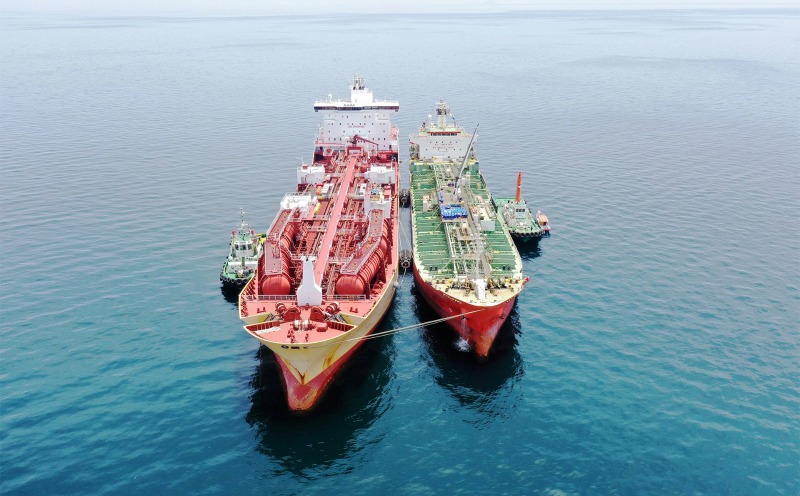
The Strait of Malacca has been a crucial maritime route for over six centuries, connecting the Indian and Pacific Oceans. Merchant ships from China, India, Arabia, and the Malay Archipelago used it to reach the Malacca Sultanate's thriving port, where the Shahbandar managed ship arrivals, collected taxes, and settled trade disputes.
Today, Malaysia's port network is operated by MMC Port Holdings Bhd (MMC Ports), which handles more than 20 million twenty-foot equivalent units (TEUs) annually. As the Strait of Malacca gains geopolitical and global supply-chain significance due to disruptions in the Red Sea and tensions in the Middle East, the importance of ports for Malaysia's trade and economy becomes more apparent.
Ports create opportunities for various businesses, generate jobs, and provide tax revenue. MMC Ports, which operates the largest port network in Malaysia, is now entering the next phase with the digital transformation of its facilities. Sultan Ahmed Bin Sulayem's appointment as executive chairman of MMC Ports adds another layer to Malaysia-Singapore competition in the Strait of Malacca, given his extensive experience in port and logistics operations globally.
Written by urgent.news from New Straits Times's reporting — not their text. Machine-written — may contain errors; check the original before relying on it.