Nurses, social workers and teachers: Women are most of our carers, but who cares for them?
Women remain the backbone of South Africa's care economy exposing the unequal burden on them.
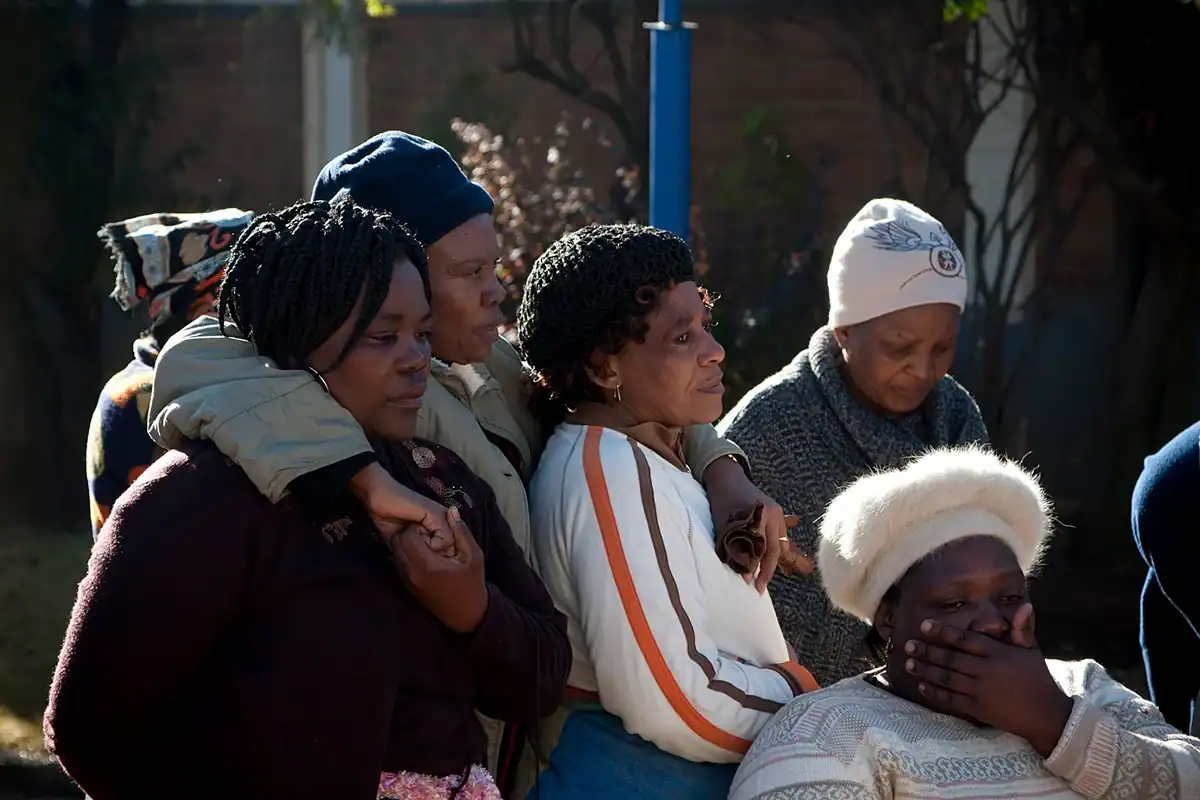
Across South Africa, women bear the brunt of caring for their families and communities, performing a vast array of tasks from childcare to eldercare. This unwaged, unrecognised labour forms the backbone of households and the economy, yet the report Gender Disparities in Care Work in South Africa reveals that women continue to bear the majority of this responsibility.
While this care sustains families and enables others to work and study, the gendered nature of caregiving remains deeply entrenched, with women shouldering the lion's share of the burden. Despite the growing population of older people, the report highlights that children still represent a significant portion of care needs. Women head 68% of households with five or more minor children, a trend that is more pronounced in non-urban areas, where they lead 72.1% of such households.
This unequal distribution of care can limit women's employment opportunities, education, and earnings, trapping them in a cycle of disadvantage. Although women's earnings have improved, they still lag behind men's by about 18%. The report also notes that while care work is a significant source of employment, women are concentrated in lower-paid, less secure roles.
Grants and household spending show that female-headed households rely more heavily on social support, highlighting the financial strain of care work. Services such as transport and childcare often fall to women, especially in households that lack reliable resources. Public facilities like clinics and hospitals are the primary sources of healthcare, but the long distances to these services add to the challenges faced by women.
The report underscores that while care work is vital, it remains invisible in economic measures, perpetuating gender inequality and limiting women's opportunities.
Written by urgent.news from The Citizen's reporting — not their text. Machine-written — may contain errors; check the original before relying on it.