No Tail, No Mouth: Alexandra Canal, and Everything We Clear Away to Keep Building
I have no mouth, and I must stream. The post No Tail, No Mouth: Alexandra Canal, and Everything We Clear Away to Keep Building appeared first on RICE .
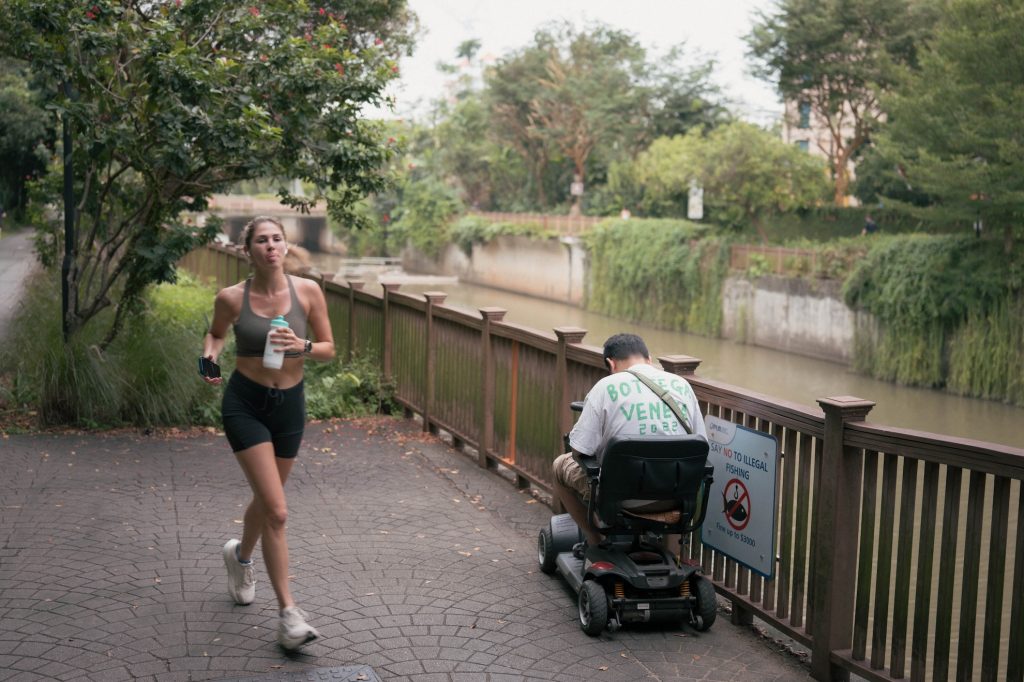
Thursday night found me alone in the RICE Media office, having been the only one left hours before. The office has undergone many changes, moving from Jalan Besar to Ann Siang, and now resides in an industrial building in Redhill. Nestled across the road lies Alexandra Canal, an unwitting character in this photo essay. The Chinese settlers early on referred to it as Boh Beh Kang, meaning "No Tail River" as it lacked a clear source.
In the 1920s, Fujian immigrants settled in Alexandra Canal's swampy hills, cultivating vegetables and rubber, while burying their deceased on the opposite hill, with a stream separating them, which nobody could trace to a source. This enigmatic stream flowed in two directions—eastward towards the Singapore River, and westward towards Sungei Pandan.
The area's flat, swampy terrain allowed water to flow in various directions, depending on rainfall and tides. The stream was later widened into Alexandra Canal in 1963, and by 1970, the villagers were relocated, and the two hills were bulldozed, their soil used to fill in the swamp beneath. Despite being marked on old maps as the stream's source, the location is now just a road.
Consequently, the water still flows beneath it to the Singapore River. Presently, Alexandra Canal serves as a picturesque park connector for leisurely strolls, cycling, and jogging to relieve the stresses of a typical 9-to-6 routine. The transformation that took place is so profound that it's hard for those who now stroll through the park to recall the past stream, the village, or the mysterious stream that bewildered its residents.
Change, indeed, is the only constant. Recently, I've been contemplating change extensively. Perhaps it's because I recently worked on a video about Tan Boon Liat, the iconic Brutalist building on Outram Road set to become a condominium. Some of the long-time tenants and workers I spoke with seemed caught between accepting the inevitable progress and yearning to preserve the building's cultural heritage.
It led me to ponder what else we could do besides consistently tearing everything down and rebuilding.
Written by urgent.news from RICE Media's reporting — not their text. Machine-written — may contain errors; check the original before relying on it.