New twist in Australia's bird flu battle amid 'extinction-level impact' warning
Scientists have also said there are limits to how many wild animals can be protected through vaccination.
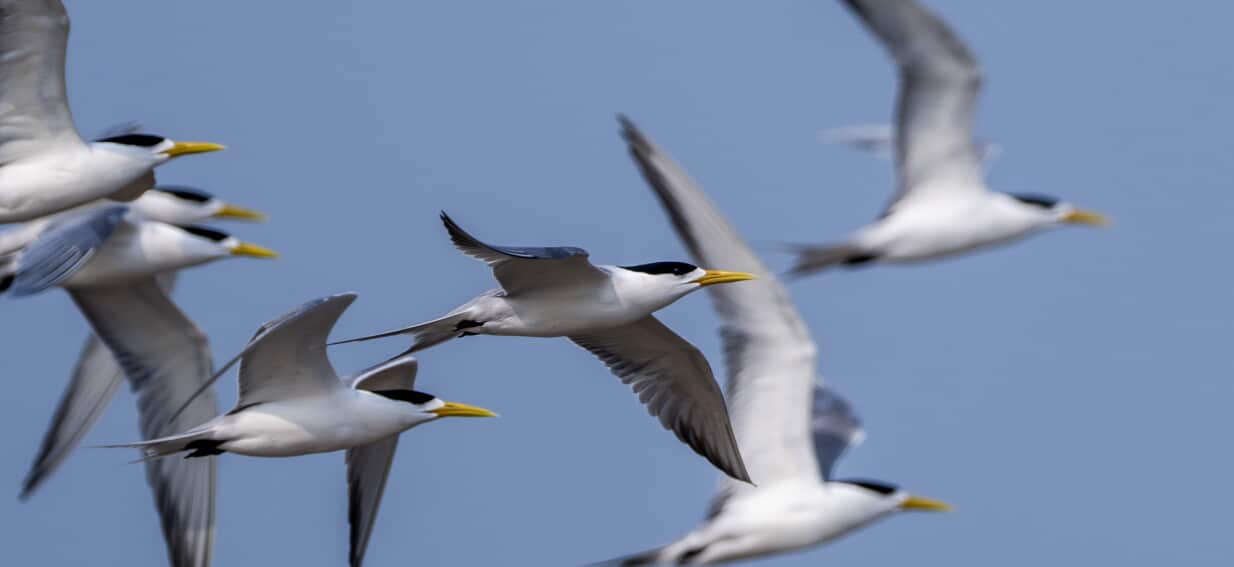
Scientists from CSIRO are monitoring Australia's H5N1 bird flu outbreak closely, as there is a possibility that the virus could mix with local strains and create a new, more dangerous strain capable of infecting a wider range of bird species. While this has not yet been detected in Australia, the potential impact of such a strain is difficult to predict.
The virus could become better suited to infect new bird species or a broader range of birds, posing a significant threat to some of Australia's most vulnerable species. CSIRO scientists are using whole genome sequencing to monitor the virus and identify any changes as more samples are collected. They are specifically looking for signs that the H5N1 virus, known as genotype B3.2, has introduced new genes from local low pathogenic Australian viruses.
So far, sequencing suggests that the virus has entered mainland Australia multiple times, with at least six or seven separate introduction events detected, all believed to have originated from Heard Island. Scientists are particularly concerned about the impact on species already facing other conservation pressures, as these populations may struggle to survive an additional threat.
While vaccines are being developed, CSIRO has cautioned that they may not be effective in protecting large numbers of wild birds due to the need for two doses and the difficulty in catching and vaccinating them.
Written by urgent.news from SBS News's reporting — not their text. Machine-written — may contain errors; check the original before relying on it.
This story
This is one outlet's version. Read the fullest account.