nCino sheds light on what’s fuelling financial crime in SA
Delegates at the company’s recent Fighting Financial Crime Conference 2026 highlighted the impact of corruption, fraud, human trafficking and state capture.
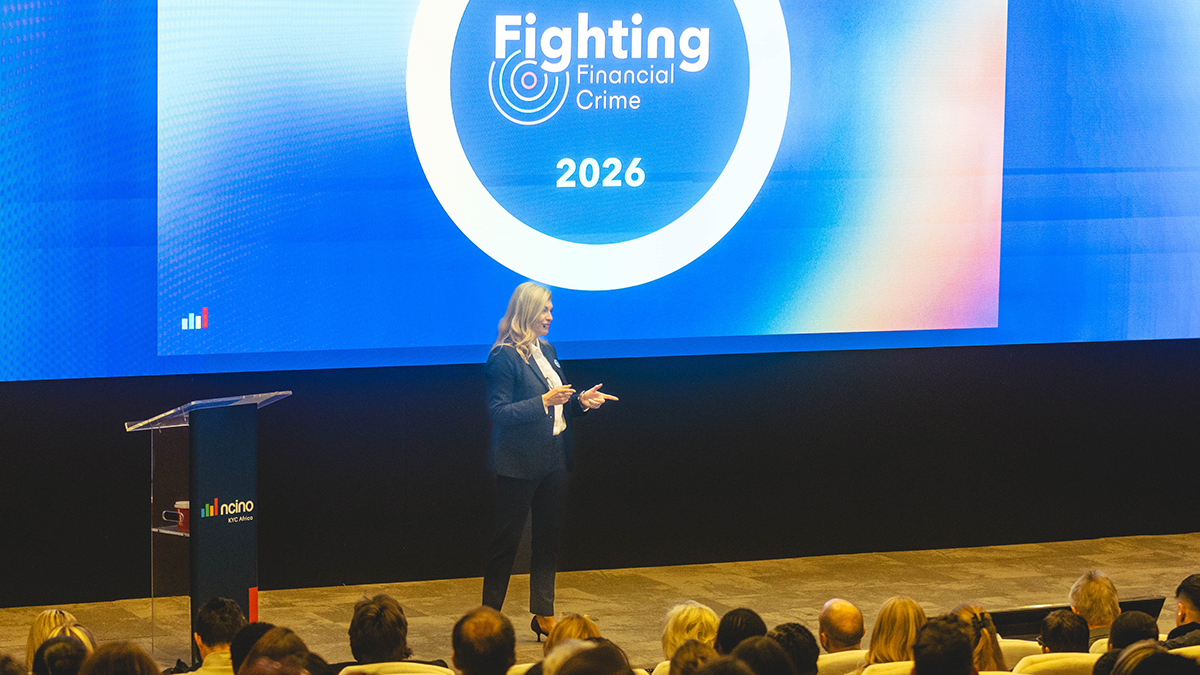
Financial crime in South Africa encompasses fraud, corruption, state capture and human trafficking, according to nCino KYC. The company has called on the financial services sector to leverage resources, including artificial intelligence (AI), to bolster its defenses. At the recent Fighting Financial Crime Conference 2026, compliance professionals, legal experts and financial crime specialists convened to discuss the urgent need to combat financial crime in the country.
The discussion was opened by investigative journalist Pieter-Louis Myburgh, who detailed SA's most significant financial crime patterns, from the IDT's R836 million oxygen plants scandal to the Digital Vibes PPE corruption network. Myburgh emphasized that financial crime has identifiable perpetrators and victims, often enabled by compliance failures at various levels. nCino KYC's area VP for sales, Tertia Barrett, highlighted the role of AI, blockchain, and quantum technologies in redefining the financial crime landscape, while also acknowledging that technology can aid organizations in strengthening their defenses and complying with regulations.
She emphasized that manual compliance with the Financial Intelligence Centre Act (FICA) is no longer feasible, as criminals employ advanced tools to execute targeted attacks. Digital identity verification, real-time PEP and sanctions watchlist screening, and automated KYC document checks are some of the technological measures institutions employ to counter financial crime.
Barrett stressed that digital biometric authentication and verification should become a non-negotiable component of any business's onboarding process. Instead of relying on potentially falsifiable documents, the software utilizes a secure, three-step process to confirm the individual's identity, their selfie matches their identity documentation, and the record held by Home Affairs.
Barrett asserted that non-compliance with regulatory requirements, the pace of enforcement, and the intricacy of cybercrime demand a more sophisticated approach, with purpose-built technology becoming essential. South Africa's placement on the Financial Action Task Force (FATF) grey list has significantly altered the compliance landscape.
Barrett noted that the FATF identified high-value goods dealers, attorneys, and estate agents as major financial crime risks in the country, contributing to SA's grey-listing. Even after being removed from the grey list, these industries remain under intense pressure to comply with FICA. Barrett emphasized that the regulatory pressure does not diminish once the country is removed from the grey list; instead, it intensifies, as businesses are still subject to inspections and expected to enforce all FICA requirements.
With the FATF scheduled to conduct its next review of SA, enforcement is expected to remain rigorous. Barrett cautioned that the regulator must demonstrate consistent enforcement to prevent SA from reverting to the grey list, a situation with detrimental economic repercussions. She warned businesses that have been delaying compliance, hoping the issue would resolve itself, emphasizing that the cost of non-compliance – financial, legal, and reputational – is substantially greater than the investment required to achieve compliance.
Barrett concluded by stressing that financial crime is not merely a headline issue; it erodes trust, destabilizes economies, and costs South Africa billions annually. The conference served as a reminder that financial crime is a matter of concern for the entire nation and that combating it requires collective effort.
Written by urgent.news from ITWeb's reporting — not their text. Machine-written — may contain errors; check the original before relying on it.