Navigating choppy geopolitics requires a multi-faceted strategic balancing act
UNVEILING the 13th Malaysia Plan in parliament on July 31st, Prime Minister Datuk Seri Anwar Ibrahim underlined the importance of regional security to Malaysia’s 2026-2030 development roadmap.
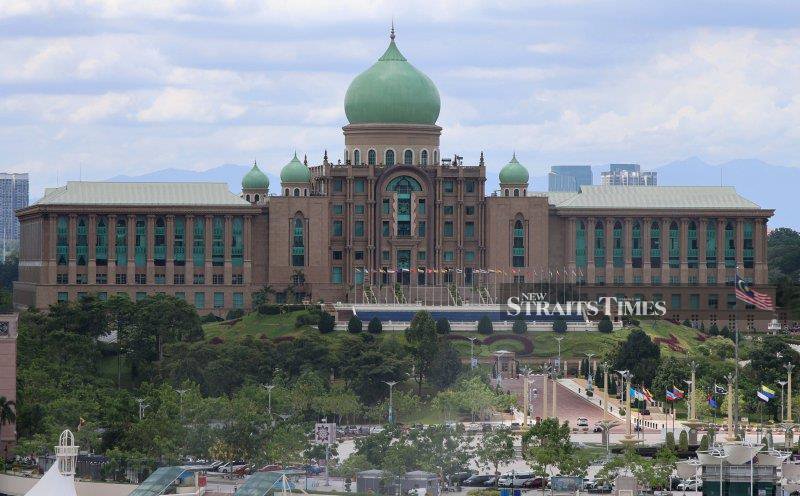
On July 31st, Prime Minister Anwar Ibrahim unveiled Malaysia's 13th Malaysia Plan, emphasizing the importance of regional security for the country's 2026-2030 development roadmap. He highlighted the need to intensify Malaysia's readiness to confront sovereignty and security threats in the South China Sea, a region becoming increasingly dangerous as China becomes more assertive with growing defense spending.
Despite close ties with China due to trade and cultural connections, Kuala Lumpur is preparing for an increasingly contested region, strengthening military relationships with like-minded nations like Australia and Japan. This includes a recent collaboration between Westar Defence Industries and Australian defense company Rocket Technologies, which will lead to domestic rocket manufacturing by 2028.
Malaysia-Australia naval exercises have strengthened operational integration, while defense cooperation with Japan continues to grow, including the delivery of UAVs and rescue boats under the Official Security Assistance program. Malaysia is also pursuing asymmetrical warfare capabilities, focusing on low-cost, mass-produced weapons such as drones and rockets.
Energy cooperation plays a significant role in the Japan-Malaysia partnership, with Petronas supplying Japan with liquefied natural gas through a letter of intent under the POWERR Asia initiative. Both nations share a common understanding of the desired regional order, emphasizing freedom of navigation and opposition to coercion.
Written by urgent.news from New Straits Times's reporting — not their text. Machine-written — may contain errors; check the original before relying on it.