NASA Upgrades Vertical Motion Simulator for Modern Mission Needs
Imagine stepping into a machine that can make you feel like you’re flying a spacecraft, piloting a next generation air taxi, or landing on the Moon, all without leaving the ground. NASA’s Vertical Motion Simulator, the largest of its kind in the world, does exactly that. And now, with new upgrades, it’s more powerful and […]
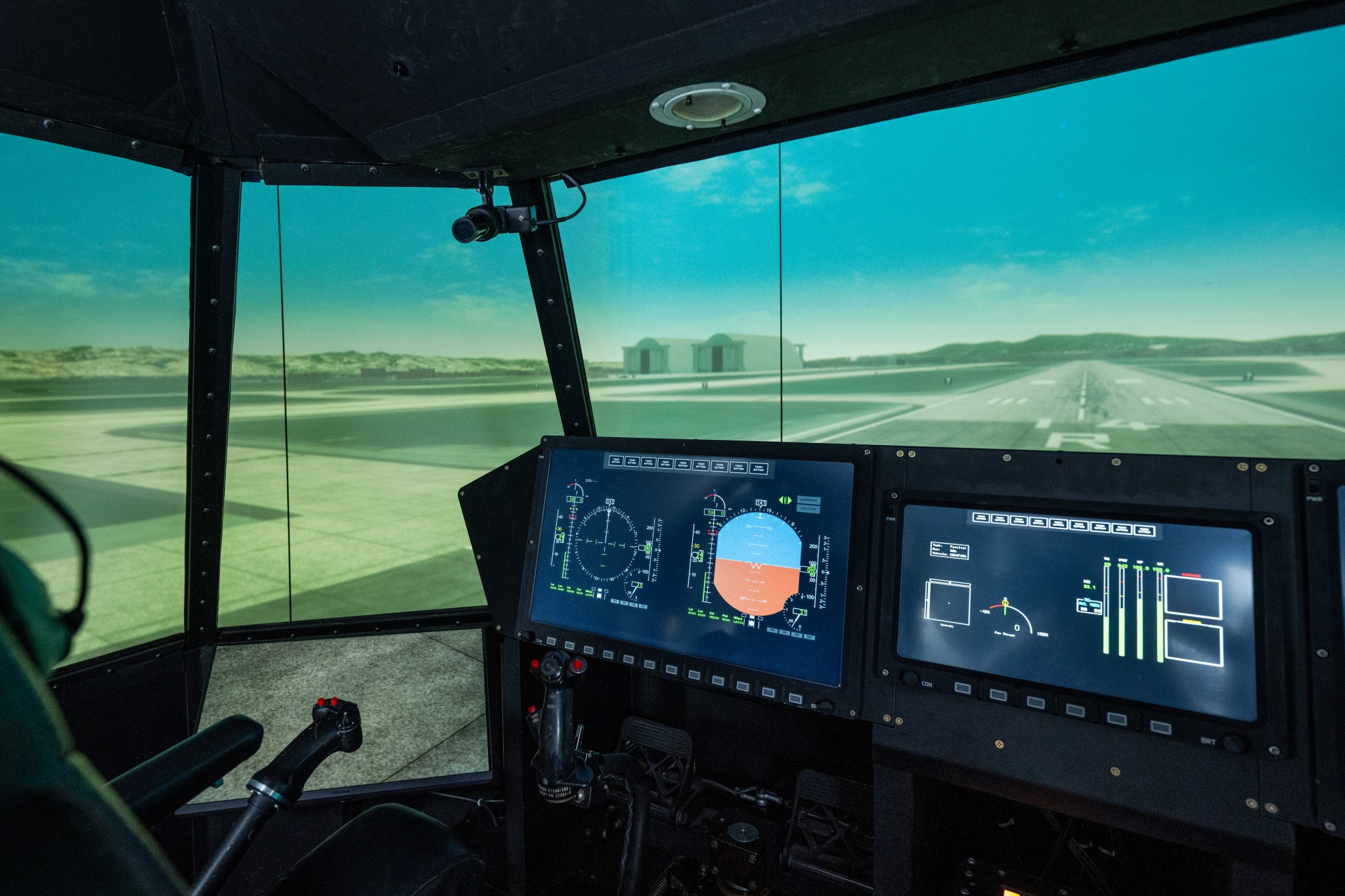
Preparations for upcoming Moonwalk simulations are underway at NASA's Vertical Motion Simulator at Ames Research Center in California's Silicon Valley. This world's largest simulator, capable of mimicking flight experiences like those of lunar landers and helicopters, underwent significant upgrades.
The most notable change is the transition from analog to digital technology, enabling the simulator to support more demanding mission tasks. It now features a dome encasing the cockpit, which houses advanced 4K projectors. These projectors offer nearly 20-20 visual clarity, delivering sharper images and a wider field of view outside the cockpit.
Further improvements include automatically aligning and color-matching images to simulate backgrounds. Previously, this task was time-consuming, involving hours or even days of manual work. Now, teams can swap in lighter, removable inserts that contain only the necessary controls, seats, and panels for a specific vehicle. This reduces physical labor and cuts configuration times by half.
These enhancements will allow NASA to test next-generation aircraft and spacecraft before they even take flight, contributing to safer skies, more efficient air travel, and successful human missions to the Moon and Mars.
Written by urgent.news from NASA's reporting — not their text. Machine-written — may contain errors; check the original before relying on it.