NASA Astronaut Mike Fincke Leaves NASA, Career Includes 4 Spaceflights
NASA astronaut Mike Fincke is departing the agency on Wednesday after 30 years of service. Throughout his career, he flew four missions, spent 549 days in space, and completed nine spacewalks in support of the International Space Station. “Few people have had the opportunity to shape as many chapters of NASA’s history as Mike Fincke,” […]
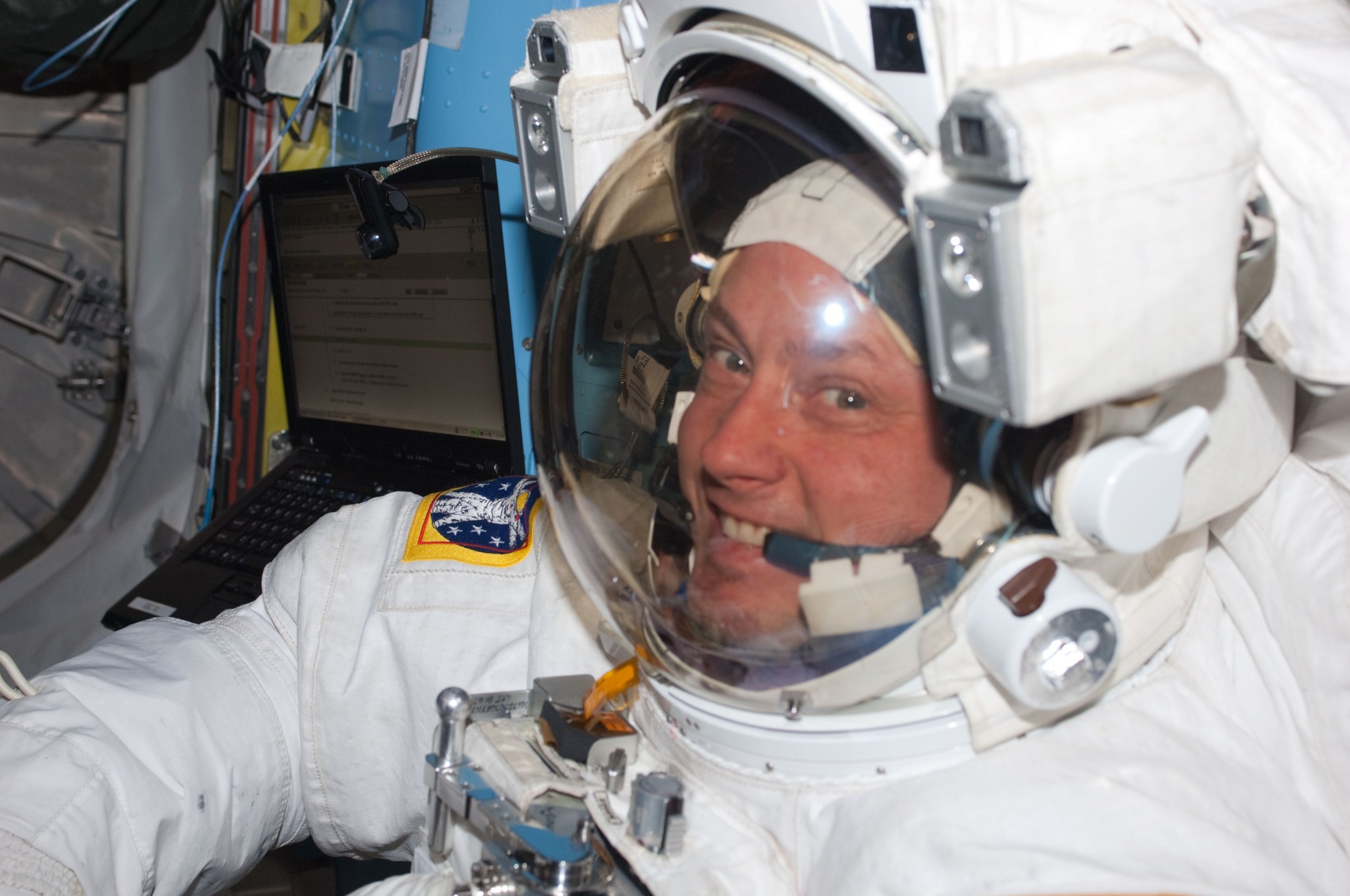
NASA astronaut Mike Fincke is departing the agency after a 30-year career, having completed four spaceflights, spending 549 days in space, and conducting nine spacewalks to support the International Space Station. NASA Administrator Jared Isaacman praised Fincke, stating that his contributions have helped position NASA for future missions.
Fincke ranks fourth among NASA astronauts in accumulated time in space, with his spacewalks totaling 48 hours and 37 minutes. He recently piloted NASA’s SpaceX Crew‑11 mission, serving as a flight engineer for Expedition 73 and commander of Expedition 74. Fincke joined NASA’s 16th astronaut class in 1996 and made his first spaceflight in 2004 aboard Soyuz TMA‑4 for Expedition 9.
Throughout his career, he bridged spacecraft development, flight testing, and mission operations, serving on multiple generations of human spacecraft, including two Soyuz missions, one shuttle mission, and a SpaceX Dragon flight. Fincke was also a key contributor to NASA’s Commercial Crew Program and provided crucial support for space station operations from the ground in Russia.
Fincke, a retired U.S. Air Force colonel and MIT graduate, expressed gratitude for his time at NASA and his commitment to inspiring future generations of explorers.
Written by urgent.news from NASA's reporting — not their text. Machine-written — may contain errors; check the original before relying on it.
This story
This is one outlet's version. Read the fullest account.