Myanmar steps up civilian attacks with drones and paragliders, UN says
Myanmar’s military is increasingly using drones, motorised paragliders and other low-cost aircraft to attack civilians, United Nations investigators said, even as the country’s rulers seek to project stability and gain legitimacy after a military-run election. The report by the UN-established Independent Investigative Mechanism for Myanmar released on Tuesday said attacks continued to rise from…
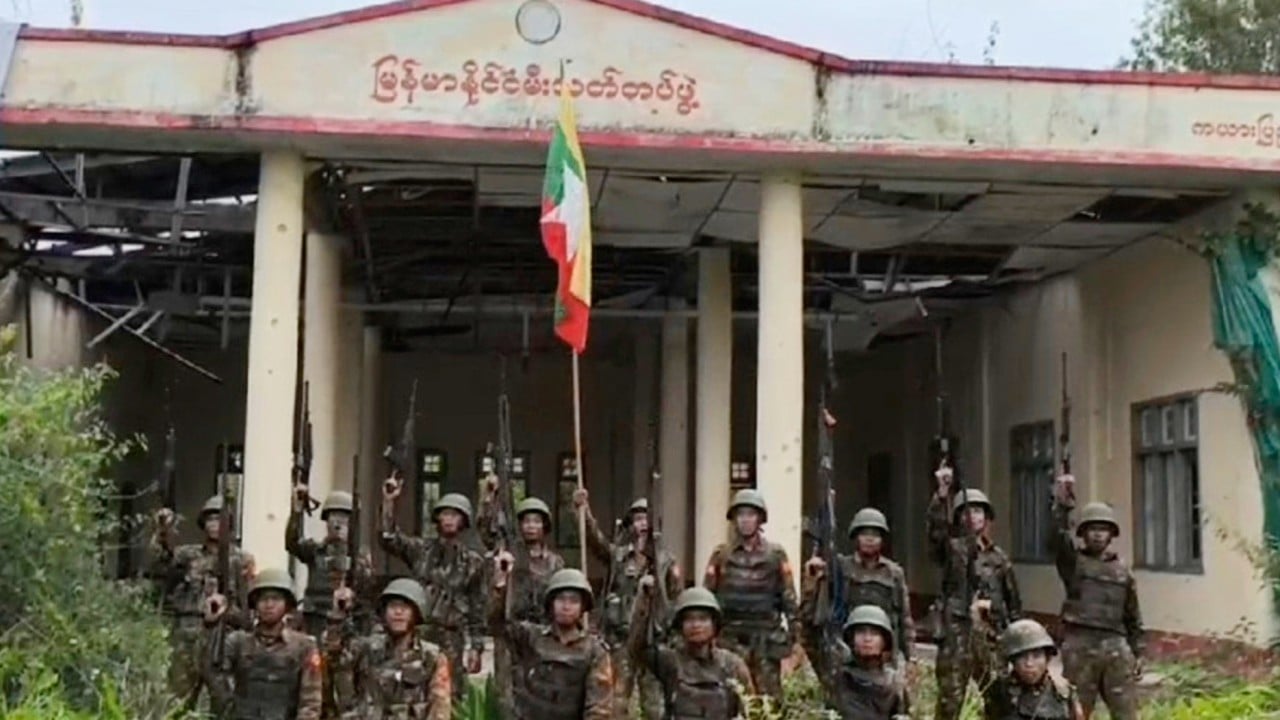
Myanmar's military is escalating its attacks on civilians, employing drones, motorized paragliders, and other cost-effective aircraft, according to a UN report released on Tuesday. The Independent Investigative Mechanism for Myanmar found that attacks intensified ahead of the December and January elections, which propelled junta chief Min Aung Hlaing to the presidency in April following a military coup in 2021.
The report details the growing use of motorized paragliders, gyrocopters, and drones for low-altitude strikes, often carried out with unguided explosives like mortar shells. In the Sagaing region, paraglider pilots reportedly glide silently to their targets, providing civilians with less advance warning and fewer opportunities to seek shelter.
The military's tactics include "double-tap" attacks, where they strike a target and then launch another assault shortly after, allegedly targeting first responders, those aiding the wounded, and those attempting to flee. The UN investigators documented a surge in war crimes and crimes against humanity committed by Myanmar's military and various armed groups over the past year.
Additionally, the report collected extensive evidence of arbitrary detention, torture, and sexual violence in military-run facilities, including instances linked to a 2025 law criminalizing criticism of the elections. Myanmar's military spokesperson, Brigadier General San Nyo Win, did not respond to a request for comment on the report.
The UN findings challenge the military-backed government's efforts to portray the election as a return to civilian rule after the coup, as their proxy party secured a dominant victory, and key opposition figures, notably Aung San Suu Kyi, remain in detention. Western governments largely reject the election results, considering them neither free nor fair.
Since his inauguration as president, Min Aung Hlaing has intensified diplomatic outreach, visiting China, India, Laos, and Thailand. While he has pledged to restore normal ties with Association of Southeast Asian Nations members, he has dismissed the bloc's stalled peace plan and accused some members of "unconstructive discrimination."
Written by urgent.news from South China Morning Post's reporting — not their text. Machine-written — may contain errors; check the original before relying on it.