Milky Mist IPO to close tomorrow; price band fixed at Rs 133-140
The Tamil Nadu-based dairy maker’s initial public offering comprises a fresh issue of Rs 1,428 crore and an offer for sale of Rs 125 crore by existing shareholders.
Milky Mist Dairy Foods’ IPO is set to conclude on August 13, with the price band set between Rs 133-140 per equity share. The company’s IPO, valued at Rs 1,553 crore, was fully subscribed within two days of the three-day bidding period, attracting significant interest from retail and non-institutional investors.
Investors are required to purchase a minimum of 107 shares, in multiples of that figure. At the higher end of the band, the minimum investment required would be Rs 14,980. The company, backed by Temasek, is offering a 13 rupee discount to eligible employees bidding in the employee reservation portion.
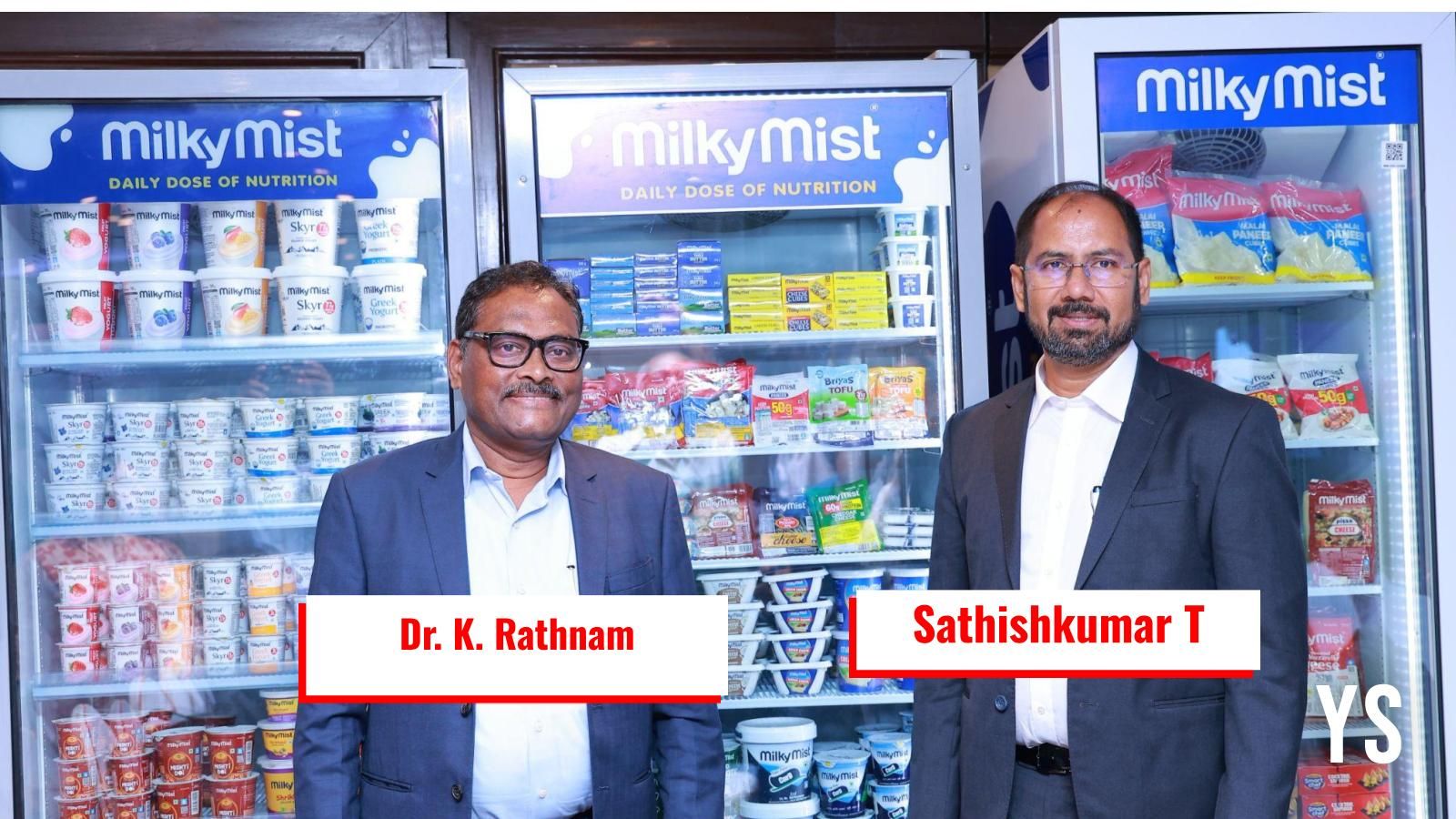
The IPO features a fresh issue of equity shares worth up to Rs 1,428 crore alongside an offer for sale (OFS) of up to Rs 125 crore. Sathishkumar T, the company's Chairman and Managing Director, plans to sell up to Rs 75 crore of shares through the OFS, while Co-Founder and Executive Director Anitha S intends to sell up to Rs 50 crore.
Prior to the IPO, Milky Mist conducted a pre-IPO placement of 543,789 equity shares and 25 million compulsory convertible preference shares (CCPS) at Rs 139.76 each, which totaled Rs 357 crore. The shares from the IPO are scheduled to be listed on both the Bombay Stock Exchange (BSE) and the National Stock Exchange (NSE) of India, with the NSE acting as the designated stock exchange. The issue is being managed by JM Financial, Axis Capital, and IIFL Capital Services.
Established in 1985 as a milk trading firm, Milky Mist shifted its focus to paneer production later on and launched the 'Milky Mist' brand in 1997. Today, the Tamil Nadu-based company manufactures value-added dairy products such as yoghurt, paneer, cheese, curd, butter, ghee, ice cream, and UHT products, alongside frozen, ready-to-eat, and ready-to-cook foods. The IPO reflects a move away from traditional milk-based business to a more value-added dairy model, which contributes over half of the company's revenue.
Written by urgent.news from YourStory's reporting — not their text. Machine-written — may contain errors; check the original before relying on it.