Machtkampf: Rückzug des Tata-Chefs verschärft die Krise bei Indiens größtem Konglomerat
Natarajan Chandrasekaran verliert den Machtkampf um die Spitze der Tata-Gruppe. Die Krise des Konzerns, zu dem Air India und Jaguar Land Rover gehören, erreicht damit einen Höhepunkt.
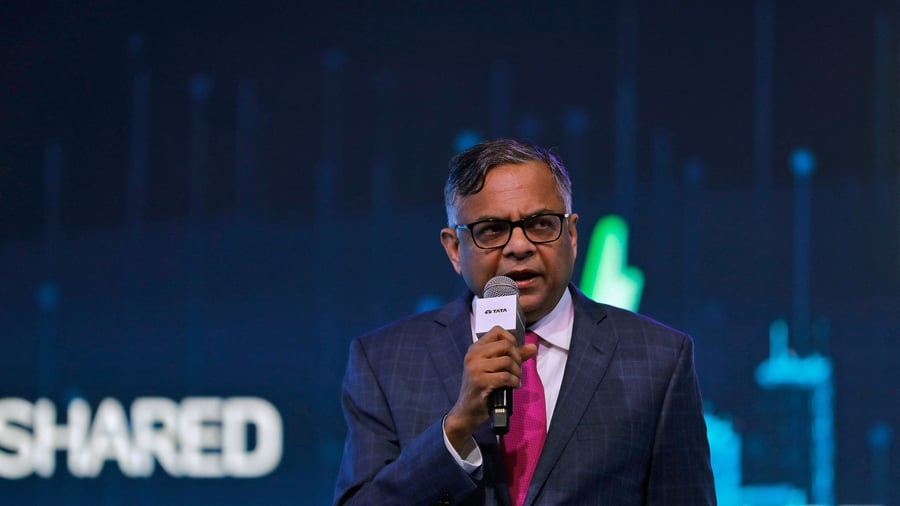
Mumbai's largest conglomerate, Tata Group, finds itself in a crisis as its chief executive, Natarajan Chandrasekaran, announces his resignation. This move comes after a power struggle that began with his predecessor, Cyrus Mistry, being removed from his position just over a decade ago due to a no-confidence motion. Chandrasekaran, 63, had taken over as Tata Group's leader following Mistry's ousting.
Just days before the company's annual meeting, where shareholders were set to vote on his future, he declared his intention to step down. This leadership crisis has reached its peak, with no clear succession plan in place. Chandrasekaran has only agreed to continue in his role until the end of his current term, which ends in February 2027.
The chaos at the helm is particularly concerning for a company that serves nearly 1.5 billion Indians, impacting the daily lives of millions. Tata Group is currently grappling with significant losses at its former state-run airline, Air India, and the IT services subsidiary, Tata Consultancy Services (TCS), which has seen its share price plummet.
Additionally, the conglomerate is challenging the Indian government's demand to float the holding company, Tata Sons, on the stock exchange.
Written by urgent.news from Handelsblatt's reporting — not their text. Machine-written — may contain errors; check the original before relying on it.