Lebanon abolishes death penalty, but justice system remains flawed
On Tuesday, a majority in the Chamber of Deputies voted to abolish the death penalty, bringing to an end a struggle led by civil society activists since the 1990s. While Lebanon has not carried out any executions since 2004, 85 people were on death row.
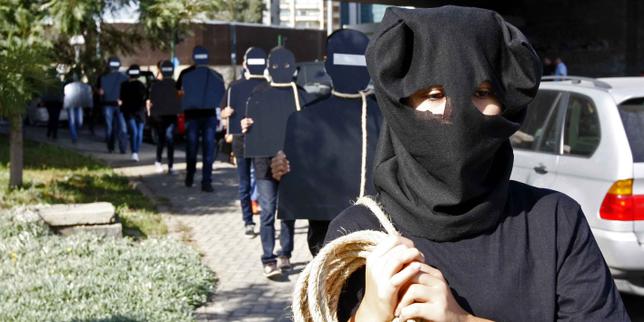
Lebanon's parliament has voted to abolish the death penalty, with a majority of the 128 members supporting the bill. The move was welcomed by international bodies and human rights organizations, and marks a significant step for the country, which has not carried out any executions since 2004. According to Le Monde English, 85 people were on death row at the time of the vote.
The decision was not unanimous, with Hezbollah's parliamentary bloc voting against the bill. The legislation will now go before Lebanon's cabinet and then be submitted to President Joseph Aoun for approval. The country has had an unofficial moratorium on executions since January 2004, although dozens of death sentences have been issued since then, only to be suspended or commuted.
The abolition of the death penalty makes Lebanon the first country in the Middle East to ban it, according to the Jerusalem Post, which also reported that UN High Commissioner for Human Rights Volker Türk congratulated Lebanon on the decision, saying it represents a "powerful and principled commitment to the right to life." The new law will replace the death penalty with life imprisonment with aggravated hard labor, although it is unclear how this will be enforced.
Brief written by urgent.news from Le Monde English, Jerusalem Post, Ghanaian Times — 3 reports on this story. Machine-written — may contain errors; check the original before relying on it.
This story
This is one outlet's version. Read the fullest account.