Korea designates Jeju cave massacre site as national heritage
Deep within the volcanic terrain of Jeju Island lies a damp, narrow lava tube known as Darangshi Cave. For more than four decades, it remained a silent, sealed tomb — holding the remains of eleven villagers, including women and children, who choked to death on smoke in 1948 when government forces blockaded the entrance and built fires outside. Long kept in the shadows of national memory, the site…
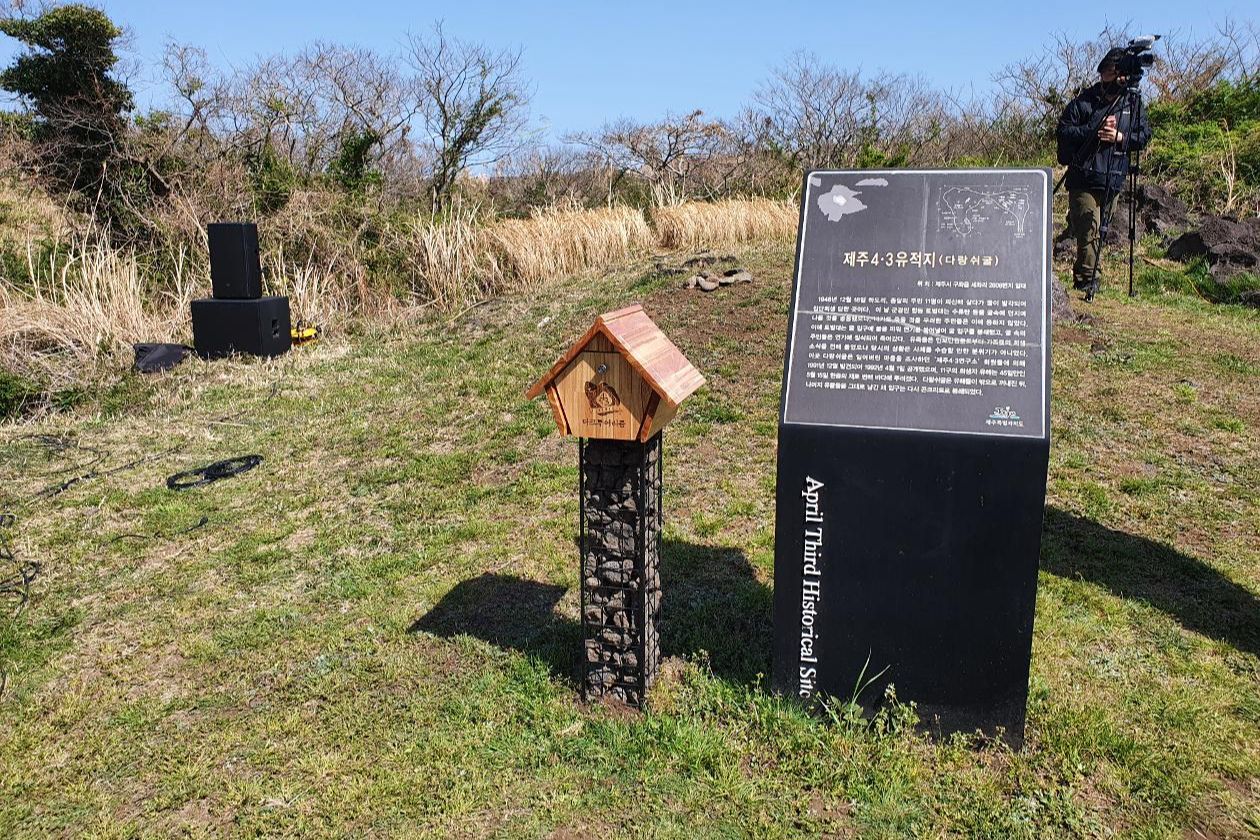
A 1948 massacre in a cave on Jeju Island, where government forces sealed the entrance and set fires outside, claiming the lives of eleven villagers, including women and children, may soon be officially recognized as a site of cultural heritage. The National Heritage Administration announced plans to officially register the Darangshi Cave, a volcanic lava tube, and its associated massacre site as a National Registered Cultural Heritage.
This designation is part of a broader effort to confront past atrocities, hold the state accountable, and preserve historical sites that have been marginalized in official memory. The move also aligns with the prospective registration of Manseojeong, the historic residential quarters of Jang Seok-yeong, a key independence activist who played a role in drafting the 1919 Paris Peace Petition advocating for Korean sovereignty during Japan's colonial rule from 1910 to 1945.
Written by urgent.news from The Korea Times's reporting — not their text. Machine-written — may contain errors; check the original before relying on it.