Konzernumbau: Ruhrkonzern beim Pfandleiher? So riskant finanziert Thyssenkrupp seine Zerschlagung
Thyssenkrupp will den Umbau laut Insidern über neue Kreditlinien der Töchter finanzieren, besichert mit Vermögenswerten. Das kann Liquidität bringen – birgt aber Risiken.
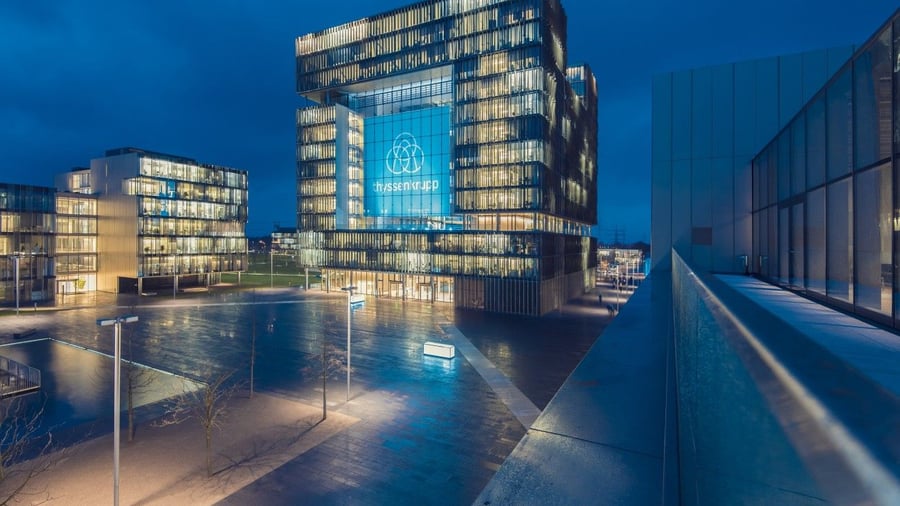
Thyssenkrupp plans to drive its transformation through an unconventional financing model that could make the industrial conglomerate resemble a financial holding company. The company intends to fund its separate business units more heavily with their own credit lines, using the assets of each subsidiary as collateral. Sources reported that this model will not only be applied to TK Accelis, which is set to go public by the end of this year, but also to the other divisions undergoing separation.
However, not every division may choose the exact same credit structure. This marks the first time Thyssenkrupp has clearly outlined how it intends to finance its long-planned restructuring under the leadership of CEO Miguel López.
The new financing model, called Asset-Based Lending (ABL), differs from a traditional corporate loan as it focuses on the value of assets rather than expected future profits. Banks evaluate the company's collateral, such as customer accounts receivable and inventory, to determine the amount it can borrow. This approach allows Thyssenkrupp to avoid reserving large amounts of liquidity for each separately operated division, as they will use their own assets to secure credit lines.
While this financing model provides a solution to the question of how to fund the financially independent subsidiaries, it also carries risks. In difficult economic phases, the value of assets could decline, leading to a reduction in the available credit line for the divisions. This could be problematic when a company is already under pressure and requires additional liquidity, particularly during a crisis.
Furthermore, Thyssenkrupp's relatively low creditworthiness, as rated by credit agencies Moody’s (Ba3) and S&P (BB), may result in higher interest rates for borrowing. Despite the potential risks, the new financing model provides a need-based funding solution that can expand during strong market phases and contract accordingly during weaker phases.
Written by urgent.news from Handelsblatt's reporting — not their text. Machine-written — may contain errors; check the original before relying on it.
Also reported by 1 other outlet
- Today: This is how risky Thyssenkrupp finances its dismantling handelsblatt.com