Kandla Port's 40-day cargo delays put India’s rice exports at risk
Indian rice exporters face significant logistical challenges at Kandla port. Cargo clearance now extends to forty days, impacting perishable rice shipments. This congestion occurs while India holds substantial rice stocks and anticipates global demand. Container shortages further exacerbate issues for basmati and non-basmati rice exports. These disruptions are causing global non-basmati rice…
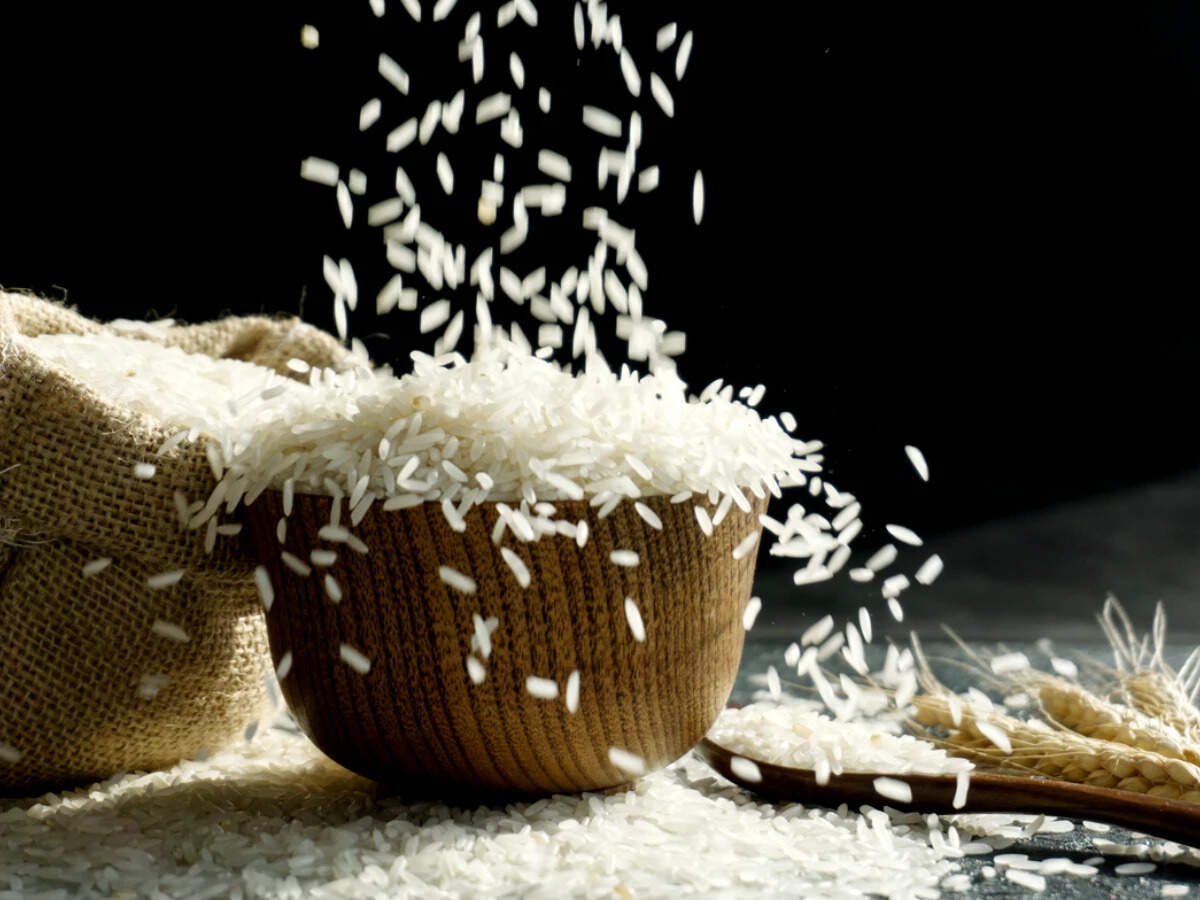
India's rice exporters are grappling with a logistical crisis at Kandla port, where cargo clearance is taking 35-40 days. This is particularly concerning for exporters who must navigate tight validity windows for import permits. The port is handling a variety of cargoes, including steel, iron, coal, urea, and perishable rice.
The Indian Rice Exporters’ Federation has written to the APEDA chairman, pleading for priority berthing for the MV ORIENT GLORY, which arrived on August 6 carrying 26,750 tonnes of rice destined for Angola. The federation warns that delays could result in significant commercial losses, contractual liabilities, and potential rejection of consignments. Angola's import permits are valid until August 31, making timely berthing and loading crucial.
India supplies nearly 21 million tonnes of rice to global markets, making this a significant issue. The shortage of containers has exacerbated the problem, particularly for containerised shipments of basmati and non-basmati rice from North India. Currently, there is an inventory build-up of 50,000-80,000 tonnes in port warehouses, according to IREF vice-president Dev Garg.
The problem has been ongoing since March and may worsen as fresh-crop arrivals begin in October. BV Krishna Rao, president of the Rice Exporters Association, notes that prices of Indian non-basmati rice have risen by around 13% in the global market over the past month. The disruption also coincides with record basmati rice exports, with India exporting 6.52 million tonnes in the 2025-26 fiscal year.
Despite El Niño conditions, India's rice production is expected to rise from 151 million tonnes to 153 million tonnes, creating a surplus of nearly 2 million tonnes. However, global rice production is projected to decline by 9 million tonnes, while global import demand could rise by 4 million tonnes. This creates a substantial potential for India to bridge the global supply gap, given its current surplus stocks and production capacity.
Written by urgent.news from The Economic Times - Economy's reporting — not their text. Machine-written — may contain errors; check the original before relying on it.