Inventories and farming method gains bolster food system against ‘super’ El Nino
Still, wars in the Middle East and the Black Sea region that impact fertilizer availability temper optimism, experts have warned.
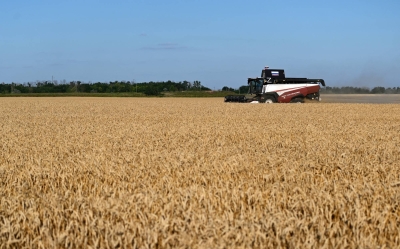
Near-record global grain inventories, technological advancements, and increased export capacity from major producers such as Brazil and Russia have made the world's food system more resilient to this year's "super" El Nino weather phenomenon, according to the U.N. Food and Agriculture Organization (FAO) and analysts. Farm production has outpaced consumption and population growth since the 1980s, driven by higher-yielding crop varieties, increased fertilizer use, improved irrigation, and crop protection technology.
Even during drought conditions, better irrigation management and crop science enable the production of marketable yields. However, El Nino has already disrupted crop planting in large parts of Asia, including India, Southeast Asia, and Australia, while fertilizer and diesel shortages caused by the Iran war add to global food production risks.
India faces a deficient monsoon season, while drought conditions threaten wheat-growing regions in Australia and crops in Southeast Asia, such as Indonesia and Thailand. The upcoming intensification of the strong El Nino in the fourth quarter of the year could worsen the situation, potentially leading to food shortages, inflation, and economic growth setbacks.
Near-record grain inventories, drought-tolerant seeds, better weather forecasting, precision agriculture, and the emergence of new export powerhouses are expected to cushion much of the fallout. India, which accounts for 40% of global rice exports, has sufficient rice stocks to exhaust its storage, while nearly half of the world's wheat stocks are held by China, providing a reserve to help curb import demand if drought affects production in key suppliers like Australia.
Global palm oil stocks are near historic highs, but Indonesia's biodiesel program may reduce inventories in the coming months. The emergence of new export hubs, such as Brazil, which has become the world's largest soybean supplier, and Russia, whose wheat shipments have increased significantly, has added significant supplies to global markets.
Advances in drought-tolerant crop varieties, including corn hybrids and heat- and drought-tolerant wheat, have helped farmers maintain yields during spells of dryness and erratic rainfall. Farmers now have access to digital tools, including satellite-based crop monitoring, seasonal climate forecasts, high-resolution soil moisture maps, and GPS-guided fertilizer application, enabling them to target inputs more efficiently.
However, the outlook is tempered by the ongoing wars in the Middle East and the Black Sea region, which are disrupting global fuel and fertilizer supplies.
Written by urgent.news from Japan Times's reporting — not their text. Machine-written — may contain errors; check the original before relying on it.