Industry: Entrepreneur Stihl warns: "Can no longer afford a 35-hour week"
Mercedes supervisory board chief Martin Brudermüller had suggested a longer working hours without wage compensation in the Handelsblatt. Nikolas Stihl now supports this move with clear words.
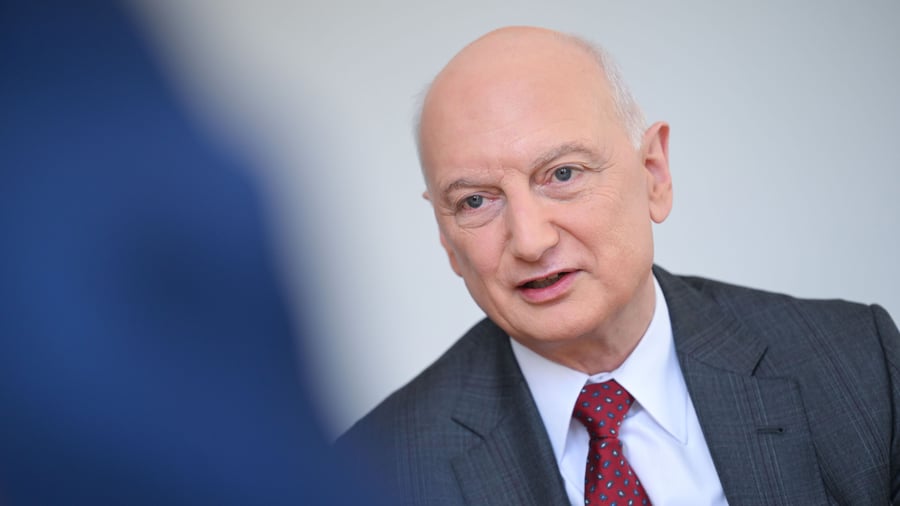
Entrepreneur Nikolas Stihl is calling for rapid talks between the parties involved in the collective bargaining over the extension of working hours without a wage offset in the metal and electrical industries in Germany. The chairman of the supervisory board of the forestry and gardening equipment manufacturer Stihl said in Waiblingen to the German Press Agency: "In good times, Germany could afford the 35-hour week.
Currently, we can't do that anymore. And the social partners should be aware of their responsibility and talk about the issue." He is looking particularly at IG Metall, because they ultimately have to make the concessions, Stihl said. "But if we're already on the way to losing 500,000 industrial jobs, then we should really do everything to stop the bleeding."
Stihl said further that an extension of working hours without a wage offset would relatively quickly reduce labor costs. Against the backdrop of the economic crisis, this is developing into a fundamental debate. Mercedes supervisory board chairman Martin Brudermüller had suggested returning to the 40-hour week in June in an interview with the Handelsblatt - for the same salary.
In view of increasing life expectancy, at least office employees would have to work longer in old age. In Germany's difficult situation, it was "absolutely reasonable" to work longer, the manager said.
In the German automotive industry, the 35-hour week is standard for companies bound by collective agreements - also at Mercedes-Benz. It is not legally binding. IG Metall had called for nationwide protests at Mercedes-Benz against the management's proposal. The collective bargaining talks in the metal and electrical industries will start in the fall.
"The 35-hour week was agreed upon with severe birth pangs. And if you want to turn the whole thing around, the loss will be very great," Stihl said. That was already clear. "That's why I don't think we'll see a simple collective bargaining round here." Stihl is counting on pragmatic solutions to the issue. "The closer the representatives of IG Metall are to the working population, the more they understand the issues."
He has concerns about the central office in Frankfurt. "The positions seem to be very entrenched there and strongly influenced by ideological convictions."
More: Mercedes board praises Hungary - "Working hours here are higher than in Germany" Initial publication: 10.08.2026, 08:04 clock.
Translated by urgent.news. Machine-written — may contain errors; check the original before relying on it.