India's Smartphone Shipments Set To Fall Over 15% In H2 2026 As Memory Cost Surge Reshapes The Market
India's smartphone market is headed for a difficult second half of 2026, as a sharp rise in memory chip prices pushes up handset costs and makes buyers more cautious. A report released by IDC projected shipments to decline by more than 15 percent in the second half of the year, pulling full-year volumes down to roughly 128-130 million units from 152 million units in 2025. Two research firms, one…
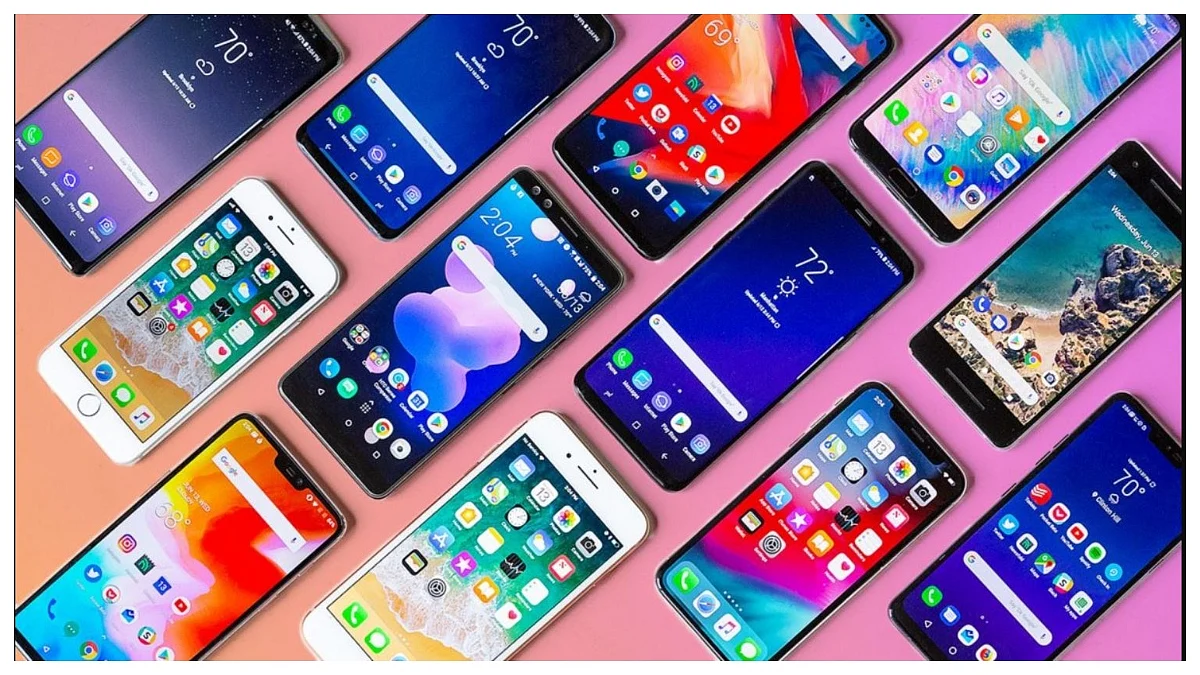
India's smartphone market faces a challenging second half of 2026, with shipments anticipated to drop over 15% according to IDC's projection. The decline is driven by a surge in memory chip prices, causing handset costs to rise and making buyers more price-conscious. Full-year volumes are expected to shrink from 152 million units in 2025 to between 128-130 million units in the second half of 2026.
The trend aligns with a prior forecast from Counterpoint, which predicted a 13% decline in India's smartphone market for 2026. Memory prices have surged nearly fourfold since September 2025, pushing average smartphone prices up by around 15% by the end of Q2, as affordability becomes the market's biggest challenge.
First-half shipments fell 11.1% year-on-year to 33.2 million units, and IDC's second-quarter numbers show the weakest performance in five years. However, overall market value rose 3.6% during the period as higher prices partly offset the drop in volumes.
Entry-level segment suffers the most significant impact, with shipments falling 74.3% in the June quarter and market share shrinking to 4.5% from 15.6%. Brands built around low-end volumes are hit hardest as rising memory costs make it difficult to maintain affordability and margins. The sub-100-dollar segment bears the brunt of this decline, with market share shrinking to 4.5% from 15.6%.
Despite the overall slowdown, some consumers are trading up to higher price bands. The 400-600 dollar segment grew 60.3% year-on-year, with its market share rising to 8.6% from 4.8%. The 100-200 dollar mass-budget segment remains the largest category, accounting for 46.8% of shipments.
Premium devices, such as those from Samsung and Apple, have weathered the storm, with Samsung's shipments rising 0.4% and Apple's shipments growing 0.7%, both lifting their market shares. Apple also leads the market by value, with a 27% share, up 22.2% year-on-year. However, Apple's shipments are expected to decline by mid-single digits as older models become costlier and festive discounts become limited.
Written by urgent.news from Free Press Journal's reporting — not their text. Machine-written — may contain errors; check the original before relying on it.