Immobilien: Hitze, KI, Alterung der Gesellschaft – Wie werden wir in 20 Jahren wohnen?
Es gibt gleich mehrere Themen, die die Frage nach dem Bauen der Zukunft aufwerfen. Ein Experte erklärt, wie Großstädte bald aussehen könnten.
Germany's megacities face significant challenges as the population grows and heatwaves become more frequent. Hitzetage numbers are set to rise sharply in coming decades, putting immense strain on urban areas. Immobilien experts are already developing concepts for mid-century housing. The Bavarian Housing Development (BHDEV) is one of Germany's largest project developers, having completed 429 projects and constructing around 27,000 apartments since its founding 72 years ago.
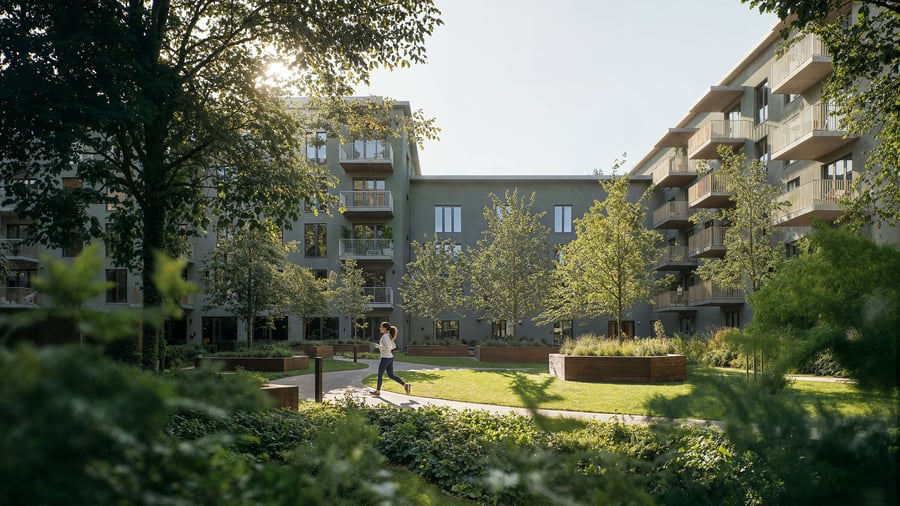
Gordon Gorski, BHDEV's CEO, shared his vision for the cities of the future in the Handelsblatt. Key factors include densification without green spaces and reducing sealing. Gorski emphasized the importance of developing climate-resilient cities and breaking up sealing with more green and water surfaces. Building higher is another solution, utilizing reclaimed space for green areas, water features, and cool zones.
Greener facades and reduced glass facades for better insulation are also being considered. Prefabricated wooden buildings are gaining popularity, although they lack significant cost advantages compared to traditional construction. BHDEV is also redesigning apartment layouts to adapt to different life stages, such as converting a five-room apartment into two units later in life.
The rising cost of building materials, particularly those responsible for 9% of the EU's CO2 emissions, is another challenge. Alternative eco-friendly materials like timber are being explored to reduce carbon footprints. The construction process itself is set to undergo significant changes, with increased use of AI and robotics in the next few years.
Gorski expects robots to be common on construction sites within three to five years. The current market situation reflects a lack of new housing construction and hesitance among potential buyers due to rising interest rates and economic uncertainty. BHDEV is considering a shift towards building more rental apartments for institutional investors, which they believe is more economically viable. Regulations and bureaucracy continue to be obstacles in the development process.
Written by urgent.news from Handelsblatt's reporting — not their text. Machine-written — may contain errors; check the original before relying on it.