IEA slashes 2026 supply forecast as Hormuz reopening remains elusive
LONDON: Global oil supply will fall by 4.3 million barrels per day, or around four per cent, this year, the International Energy Agency said in its monthly oil market report on Wednesday, as renewed hostilities in the Middle East are set to plunge the world deeper into an oil-market deficit.
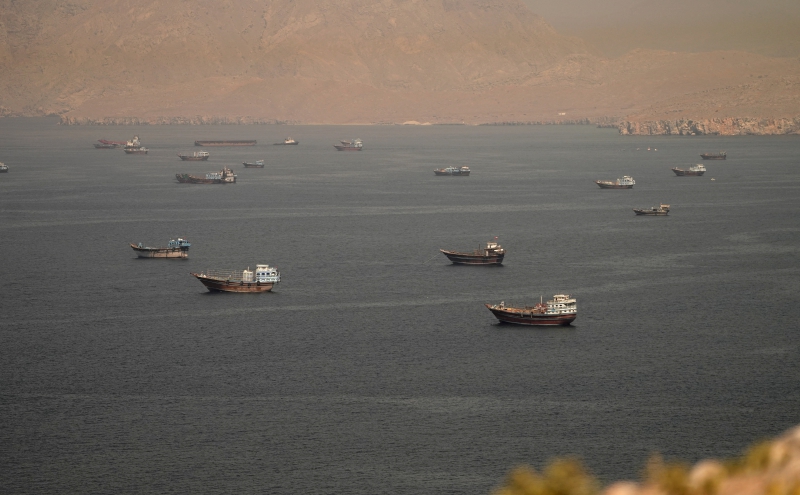
The International Energy Agency (IEA) has slashed its 2026 supply forecast by 4.3 million barrels per day, or approximately four percent, due to ongoing hostilities in the Middle East which threaten to exacerbate the existing oil-market deficit. The US-Iran ceasefire, signed in July, has unraveled and since then, attacks on tankers in the Strait of Hormuz have resumed, along with the conflict spreading to the Red Sea.
As a result, global oil supply is projected to fall well below demand, creating a widening deficit. In June, Middle East oil loadings had rebounded to 20 million barrels per day (bpd), in line with pre-war traffic, but subsequently dropped to 12 million bpd. The Middle East produced 8.3 million bpd less than pre-war levels in July, representing 14 million bpd of lost output at the crisis peak.
The IEA anticipates a market deficit of 1.8 million bpd from July to September, marking a one million barrel reduction from its July forecast, which would represent the deepest quarterly deficit since the fourth quarter of 2021. Despite this, the agency sees global oil supply surpassing demand by 4.61 million bpd next year, should tensions ease.
This surplus could enable oil stocks to return to February 2026 levels by mid-year, following 410 million barrels of cumulative stock withdrawals since the conflict began. Reduced refined fuels supply and higher prices have contributed to a contraction in global oil demand this year of 1.6 million bpd, with naphtha and gasoil the hardest hit.
Supply has tightened due to lower refinery activity in the Middle East and Asia, shipping constraints in the Bab el-Mandeb Strait, and Russian refinery outages. Russian oil refining was at a 20-year low in July, with Ukrainian drone attacks affecting most refineries west of the Urals. This resulted in Russian fuel exports falling to 1.4 million bpd in July, nearly half of July 2025 levels, while crude exports reached a record high of 4.8 million bpd.
Overall refining crude oil processing decreased by 5 million bpd in July compared to the previous year, as global capacity struggles to offset supply bottlenecks, driving refining margins to record highs.
Written by urgent.news from New Straits Times's reporting — not their text. Machine-written — may contain errors; check the original before relying on it.