How war shaped the manga of Tadao Tsuge
The "gekiga" pioneer drew on memories of war, hunger and poverty to chronicle Japan's overlooked lives.
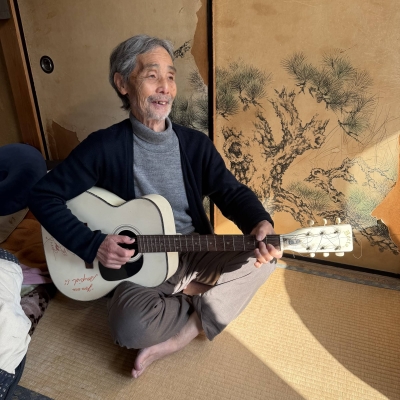
Chiba Prefecture – Tadao Tsuge, now 85, vividly recalls his childhood during the aftermath of World War II. At the tender age of four, the war's end was a stark reality he witnessed. Years later, the image of a burning Zero fighter plane soaring over a post-war landscape remains etched in his mind. Tsuge, a prominent figure in the gekiga movement, which translates to "dramatic pictures," used his wartime experiences to craft compelling narratives.
The artist's stories often revolved around the struggles of society's marginalized, drawing heavily from memories of war, hunger, and post-war poverty. His work was grounded in the realities of everyday life, reflecting the harsh conditions many faced in the wake of the conflict. Despite the passage of time, Tsuge's childhood memories continue to inform his art, showcasing the lasting impact of the war on his creative expression.
Written by urgent.news from Japan Times's reporting — not their text. Machine-written — may contain errors; check the original before relying on it.