How to give yourself the best odds to see the solar eclipse and meteors
A partial solar eclipse occurs when “the Moon passes between the Sun and Earth but the Sun, Moon, and Earth are not perfectly lined up."
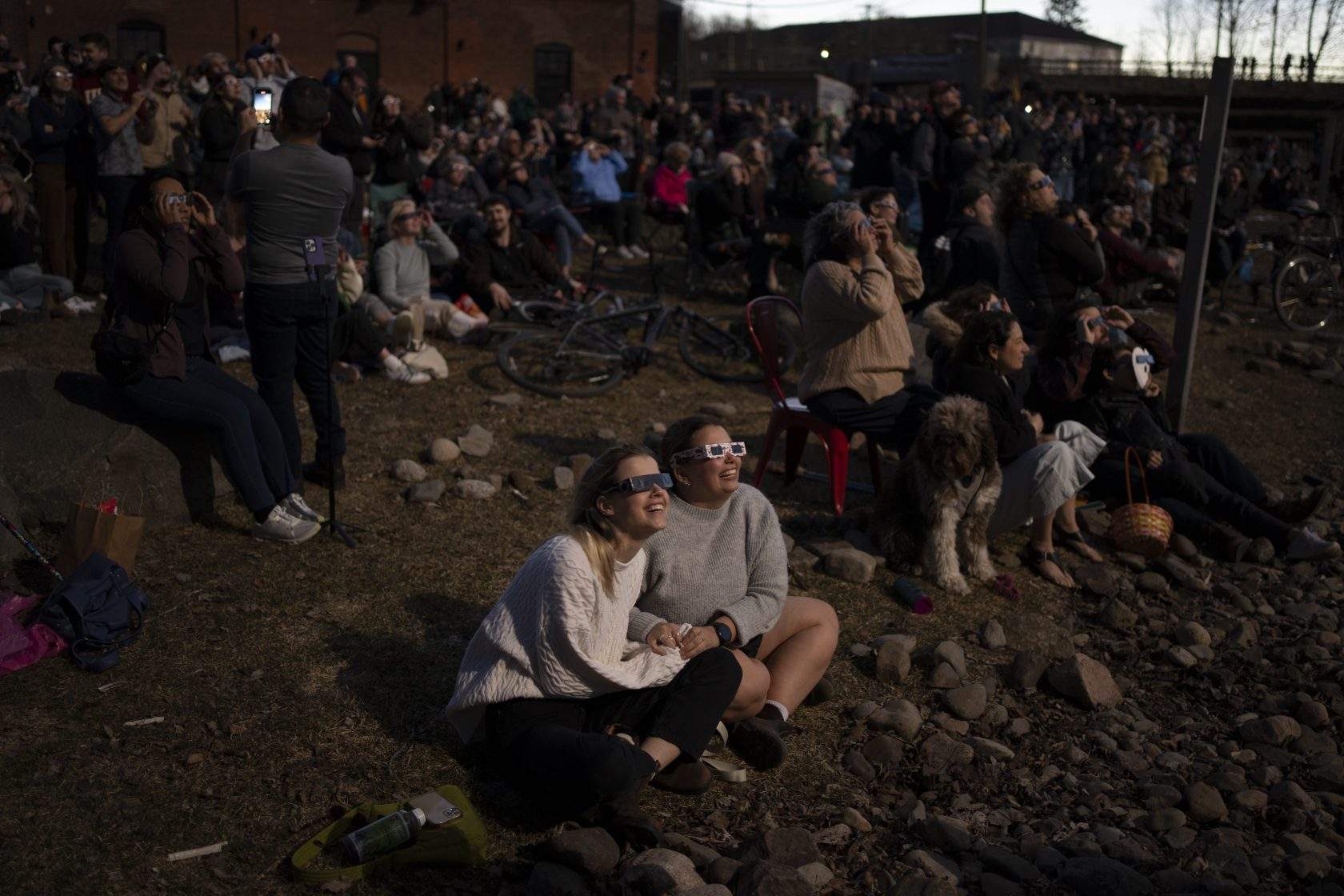
A partial solar eclipse and Perseid meteor shower are set to grace the Canadian skies on Wednesday. The eclipse, visible in northern and western regions of the country, will display the moon partially obscuring the sun, creating a crescent shape. Newfoundland and Labrador are expected to have the clearest view. Proper eye protection is crucial during the eclipse, such as eclipse glasses to prevent eye damage. A homemade projector using a cardboard box, foil, and white paper can also be an option if glasses are unavailable.
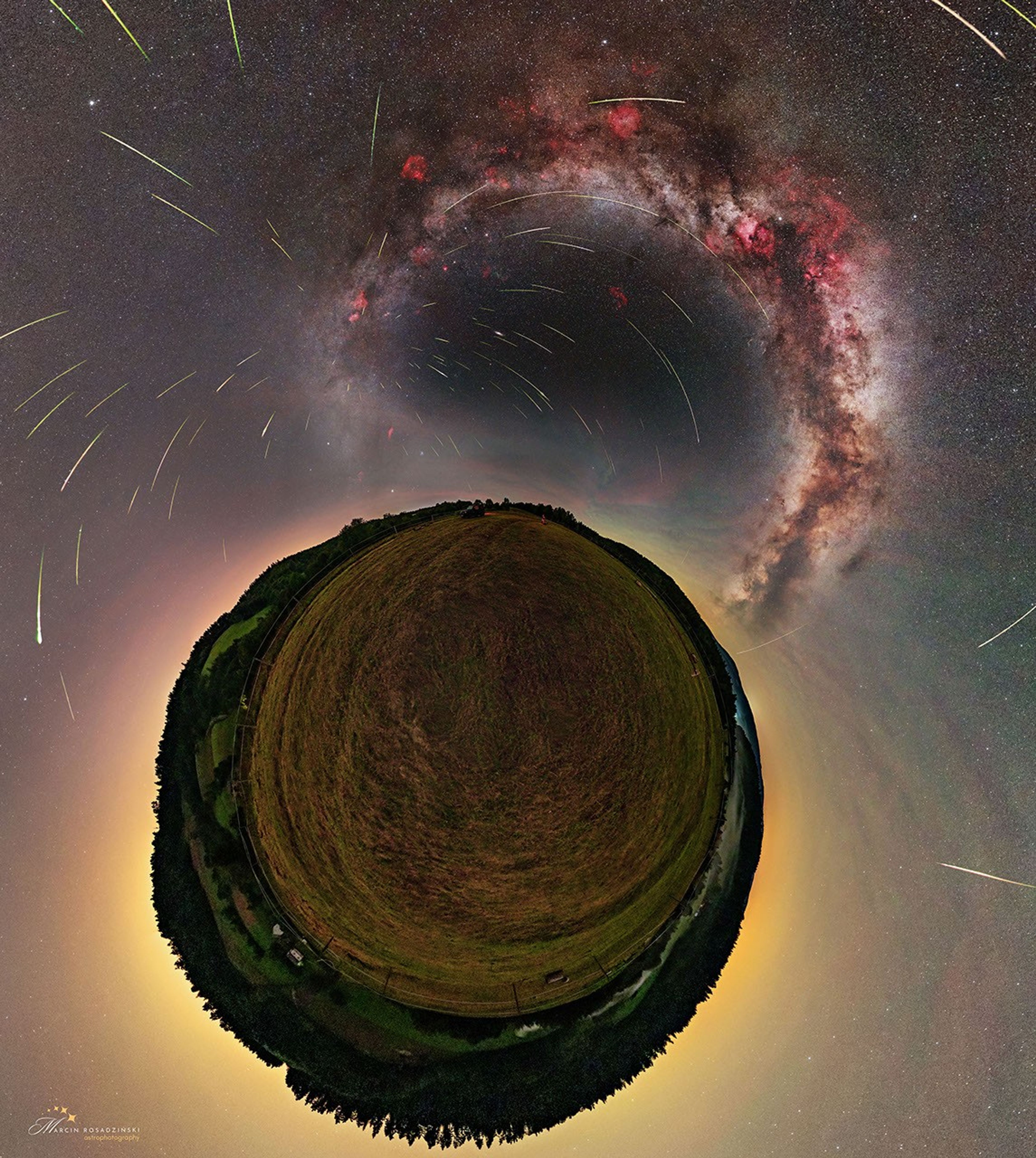
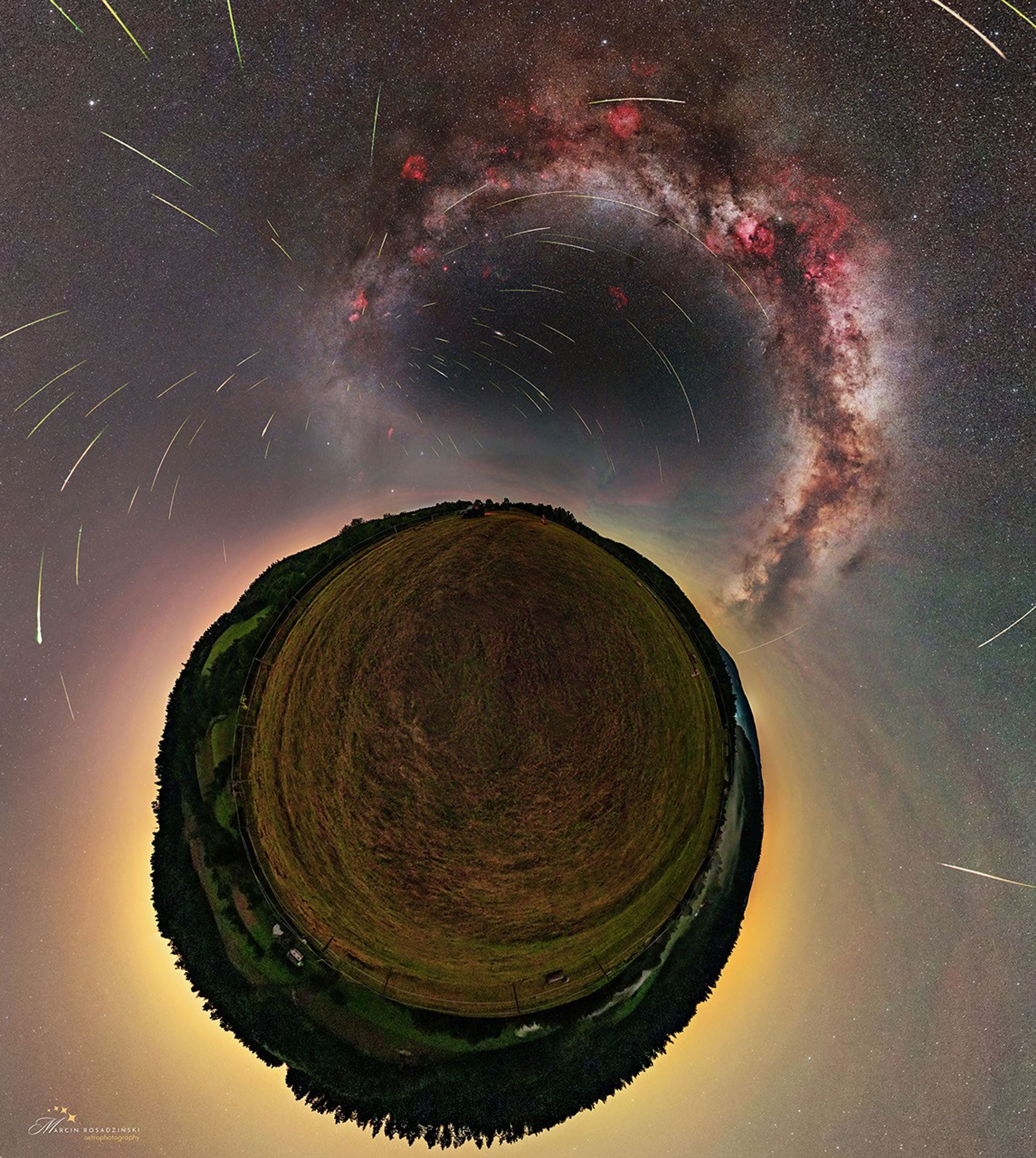
Following the eclipse, the Perseid meteor shower will peak during the early hours of the night. This spectacle is caused by Earth passing through debris from Comet Swift-Tuttle, resulting in meteors or "shooting stars" as they burn up in the atmosphere. Canadians are encouraged to view the meteor shower away from city lights, using a red-filtered flashlight if necessary.
To optimize viewing, it's recommended to lie on one's back and look straight up, allowing the eyes at least 30 minutes to adjust to the dark. As the sun sets, the sky should be at its darkest between 10 p.m. and 2 a.m. for the best viewing experience. Optional accessories like a camera with a long lens can enhance the viewing experience, while a warming blanket and hot chocolate can make the night more enjoyable.
Written by urgent.news from Global News's reporting — not their text. Machine-written — may contain errors; check the original before relying on it.